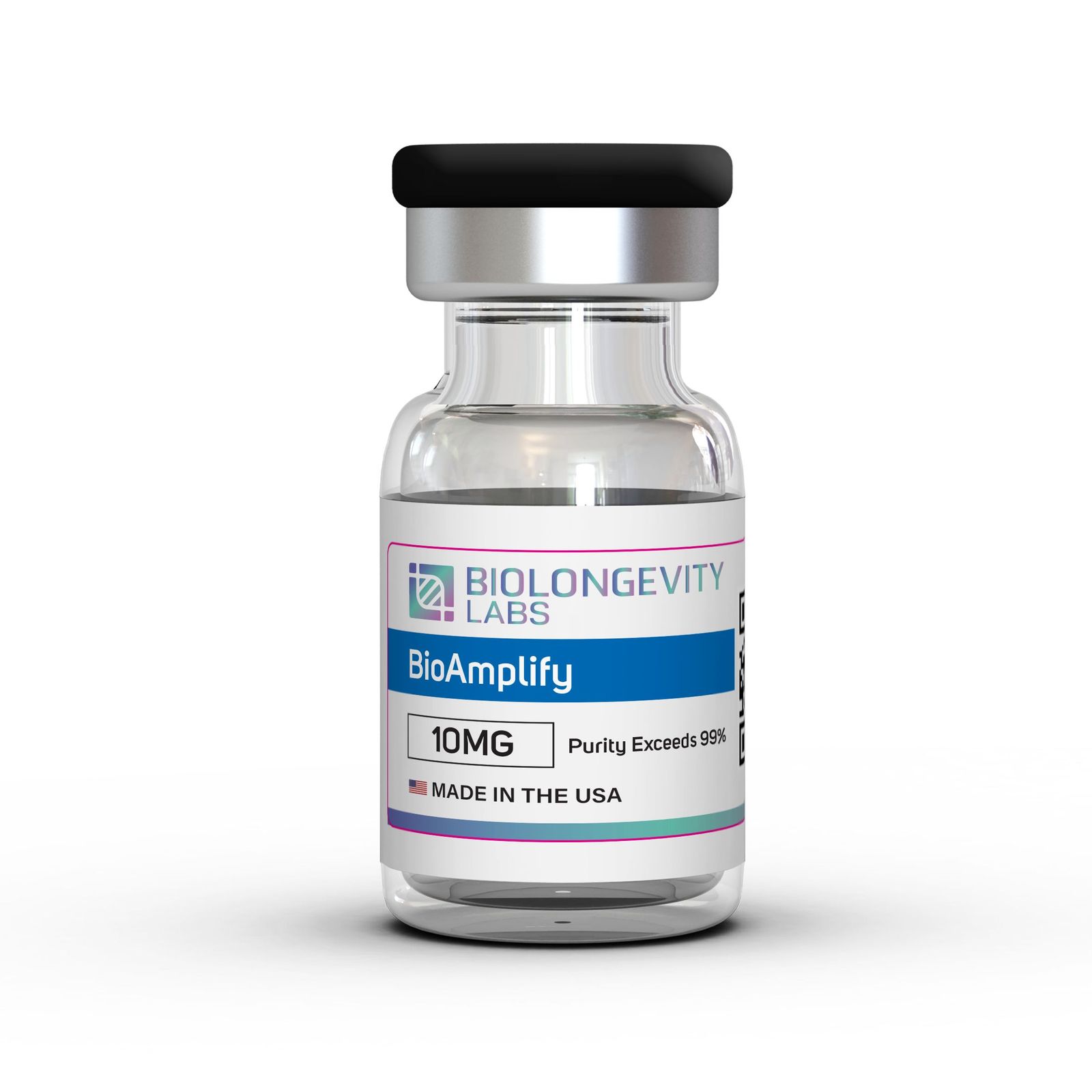
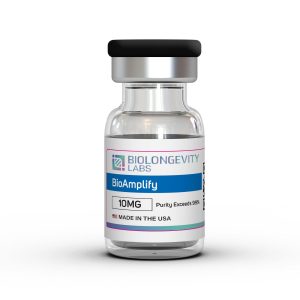
BioAmplify (Elamipretide) Description
BioAmplify, also known as Elamipretide, is a mitochondria-targeting peptide developed to address mitochondrial dysfunction. It can penetrate cell membranes and specifically target the inner mitochondrial membrane. Its chemical structure allows it to interact with cardiolipin, a phospholipid that plays a crucial role in maintaining proper mitochondrial function.
Peptide Information
| Property |
Value |
| Peptide Sequence |
D-Arg-Tyr(2,6-diMe)-Lys-Phe |
| Molecular Formula |
C32H49N9O5 |
| Molecular Weight |
639.8 g/mol |
| CAS Number |
736992-21-5 |
| PubChem CID |
11764719 |
| Synonyms |
Elamipretide, 736992-21-5, bendavia, BioAmplify peptide, Arg-Dmt-Lys-Phe-NH2 |
Product Usage:
This PRODUCT IS INTENDED AS A RESEARCH CHEMICAL ONLY. This designation allows the use of research chemicals strictly for in vitro testing and laboratory experimentation only. This product should only be handled by licensed, qualified professionals. This product is not a drug, food, or cosmetic and may not be misbranded, misused or mislabeled as a drug, food or cosmetic.
BioAmplify Research
Elamipretide (BioAmplify) is a mitochondrion-targeted peptide with broad research areas focusing on improving mitochondrial function and addressing various health conditions related to mitochondrial dysfunction.
Elamipretide composed of alternating aromatic and basic amino acid residues that give it a unique ability to penetrate cell membranes and specifically target the inner mitochondrial membrane.
The peptide works by interacting with cardiolipin, a phospholipid found exclusively in the inner mitochondrial membrane that plays a crucial role in maintaining proper mitochondrial function.
Under conditions of oxidative stress, cardiolipin can become oxidized, leading to disruption of the electron transport chain, increased production of reactive oxygen species, and ultimately mitochondrial dysfunction. Elamipretide helps to protect cardiolipin from oxidation and restore normal mitochondrial function.
BioAmplify and Mitochondrial Dysfunction
Elamipretide primarily interacts with cardiolipin, a phospholipid in the inner mitochondrial membrane, which is crucial for mitochondrial function1. This interaction helps stabilize mitochondrial membranes, improve ATP production, and reduce oxidative stress by modulating surface electrostatics and lipid packing2.
Elamipretide has also been shown to inhibit the Nrf2-mediated NLRP3 inflammasome in macrophages, which is significant in reducing inflammation and oxidative stress3.
Neuroprotection and Cognitive Function
Elamipretide has been shown to mitigate the effects of neuroinflammation and oxidative stress, which are significant contributors to cognitive decline. In models of lipopolysaccharide (LPS)-induced neuroinflammation, elamipretide reduced inflammatory cytokines and oxidative stress markers, leading to improved functional connectivity in the hippocampus and related brain regions4.
It also attenuated isoflurane-induced cognitive deficits in developing rats by protecting against oxidative stress and mitochondrial damage5.
Elamipretide has demonstrated efficacy in improving learning and memory impairments across various models, including those induced by chronic sleep deprivation, traumatic brain injury, and perioperative neurocognitive disorders (PND). It enhances synaptic integrity and reverses synaptic signaling protein deficits, which are critical for cognitive function6.
In aged mice, elamipretide improved neurovascular coupling and cognitive functions such as spatial working memory and motor skills by reducing mitochondrial oxidative stress and enhancing cerebromicrovascular function. It also showed potential in treating age-related vascular cognitive impairment by protecting against cerebromicrovascular dysfunction7.
Aging and Exercise Tolerance
Elamipretide treatment significantly increases treadmill endurance in aged mice, suggesting improved exercise tolerance. This improvement is attributed to enhanced mitochondrial function and redox homeostasis8.
The gastrocnemius muscle in BioAmplify treated aged mice shows greater fatigue resistance and increased mass compared to untreated aged controls, contributing to better exercise performance9.
Cardiac Health
Elamipretide has been effective in reversing diastolic dysfunction, a common feature of cardiac aging. It normalizes increased proton leak and reduces mitochondrial reactive oxygen species (ROS), which are critical in improving heart function in aged mice10.
The treatment with Elamipretide also affects phosphorylation of cardiac proteins, such as cMyBP-C, which is linked to improved cardiac function. However, some phosphorylation changes, like those in cMyBP-C S307, are not influenced by elamipretide11.
Pulmonary and Musculoskeletal Health
Elamipretide has shown promise in the treatment of idiopathic pulmonary fibrosis (IPF), a severe lung disease characterized by progressive fibrosis. In a study using a bleomycin-induced mouse model, Elamipretide treatment significantly reduced pulmonary fibrosis and inflammation.
This was achieved by inhibiting the Nrf2-mediated NLRP3 inflammasome in macrophages, leading to decreased levels of inflammatory cytokines such as IL-1β and IL-18. These findings suggest that Elamipretide could be a potential therapeutic agent for IPF by targeting mitochondrial oxidative stress in macrophages12.
BioAmplify has also been investigated for its effects on tendinopathy, a condition associated with mitochondrial dysfunction. In a murine model of supraspinatus tendinopathy, BioAmplify treatment improved mitochondrial function and promoted tendon healing.
This was evidenced by increased mitochondrial number and improved cristae morphology, as well as enhanced superoxide dismutase activity and gene expression related to mitochondrial function. These results suggest thatBioAmplify could be an effective treatment for promoting tendon healing, especially when combined with mechanical interventions13.
References
- Chavez, J., Tang, X., Campbell, M., Reyes, G., Kramer, P., Stuppard, R., Keller, A., Zhang, H., Rabinovitch, P., Marcinek, D., & Bruce, J. (2019). Mitochondrial protein interaction landscape of Elamipretide. Proceedings of the National Academy of Sciences, 117, 15363 – 15373. https://doi.org/10.1101/739128.
- Mitchell, W., Ng, E. A., Tamucci, J. D., Boyd, K. J., Sathappa, M., Coscia, A., Pan, M., Han, X., Eddy, N. A., May, E. R., Szeto, H. H., & Alder, N. N. (2020). The mitochondria-targeted peptide Elamipretide binds lipid bilayers and modulates surface electrostatics as a key component of its mechanism of action. The Journal of biological chemistry, 295(21), 7452–7469. https://doi.org/10.1074/jbc.RA119.012094
- Nie, Y., Li, J., Zhai, X., Wang, Z., Wang, J., Wu, Y., Zhao, P., & Yan, G. (2023). Elamipretide Attenuates Idiopathic Pulmonary Fibrosis by Inhibiting the Nrf2-Dependent NLRP3 Inflammasome in Macrophages. Antioxidants, 12. https://doi.org/10.3390/antiox12122022.
- Zhao, W., Xu, Z., Cao, J., Fu, Q., Wu, Y., Zhang, X., Long, Y., Zhang, X., Yang, Y., Li, Y., & Mi, W. (2019). Elamipretide improves mitochondrial dysfunction, synaptic and memory impairment induced by lipopolysaccharide in mice. Journal of Neuroinflammation, 16. https://doi.org/10.1186/s12974-019-1627-9.
- Wu, J., Hao, S., Sun, X., Zhang, H., Li, H., Zhao, H., Ji, M., Yang, J., & Li, K. (2017). Elamipretide Ameliorates Isoflurane-Induced Long-Term Impairments of Mitochondrial Morphogenesis and Cognition in Developing Rats. Frontiers in Cellular Neuroscience, 11. https://doi.org/10.3389/fncel.2017.00119.
- Zuo, Y., Yin, L., Cheng, X., Li, J., Wu, H., Liu, X., Gu, E., & Wu, J. (2020). Elamipretide Attenuates Pyroptosis and Perioperative Neurocognitive Disorders in Aged Mice. Frontiers in Cellular Neuroscience, 14. https://doi.org/10.3389/fncel.2020.00251.
- Tarantini, S., Valcarcel‐Ares, N., Yabluchanskiy, A., Fulop, G., Hertelendy, P., Gautam, T., Farkas, E., Perz, A., Rabinovitch, P., Sonntag, W., Csiszar, A., & Ungvari, Z. (2018). Treatment with the mitochondrial‐targeted antioxidant peptide SS‐31 rescues neurovascular coupling responses and cerebrovascular endothelial function and improves cognition in aged mice. Aging Cell, 17. https://doi.org/10.1111/acel.12731.
- Campbell, M., Duan, J., Samuelson, A., Gaffrey, M., Merrihew, G., Egertson, J., Wang, L., Bammler, T., Moore, R., White, C., Kavanagh, T., Voss, J., Szeto, H., Rabinovitch, P., MacCoss, M., Qian, W., & Marcinek, D. (2019). Improving mitochondrial function with Elamipretide reverses age-related redox stress and improves exercise tolerance in aged mice.. Free radical biology & medicine, 134, 268-281 . https://doi.org/10.1016/j.freeradbiomed.2018.12.031.
- Campbell, M., Gaffrey, M., Egertson, J., Merrihew, G., Pérez, M., Wang, L., Villén, J., MacCoss, M., Qian, W., & Marcinek, D. (2018). Reversal of age related post-translational modifications improves mitochondrial and skeletal muscle function through redox dependent mechanisms. Free Radical Biology and Medicine. https://doi.org/10.1016/J.FREERADBIOMED.2018.10.305.
- Chiao, Y., Zhang, H., Sweetwyne, M., Whitson, J., Ting, Y., Basisty, N., Pino, L., Quarles, E., Nguyen, N., Campbell, M., Zhang, T., Gaffrey, M., Merrihew, G., Wang, L., Yue, Y., Duan, D., Granzier, H., Szeto, H., Qian, W., Marcinek, D., MacCoss, M., & Rabinovitch, P. (2020). Late-life restoration of mitochondrial function reverses cardiac dysfunction in old mice. eLife, 9. https://doi.org/10.1101/2020.01.02.893008.
- Whitson, J., Martín-Pérez, M., Zhang, T., Gaffrey, M., Merrihew, G., Huang, E., White, C., Kavanagh, T., Qian, W., Campbell, M., MacCoss, M., Marcinek, D., Villén, J., & Rabinovitch, P. (2021). Elamipretide treatment attenuates age-associated post-translational modifications of heart proteins. GeroScience, 43, 2395 – 2412. https://doi.org/10.1007/s11357-021-00447-6.
- Nie, Y., Li, J., Zhai, X., Wang, Z., Wang, J., Wu, Y., Zhao, P., & Yan, G. (2023). Elamipretide Attenuates Idiopathic Pulmonary Fibrosis by Inhibiting the Nrf2-Dependent NLRP3 Inflammasome in Macrophages. Antioxidants, 12. https://doi.org/10.3390/antiox12122022.
- Zhang, X., Bowen, E., Zhang, M., Szeto, H., Deng, X., & Rodeo, S. (2022). Elamipretide as a Mitochondrial Protectant in the Treatment of Tendinopathy. The Journal of Bone and Joint Surgery, 104, 1886 – 1894. https://doi.org/10.2106/JBJS.21.01449.
Certificate of Analysis (COA) for Every Batch
A Certificate of Analysis (COA) is a document that verifies a compound’s identity, purity, and batch quality through independent laboratory testing. Every compound from BioLongevity Labs ships with a COA tied to its specific batch, so researchers can confirm exactly what they received before it enters a protocol.
Each COA reports results from third-party laboratory analysis, including:
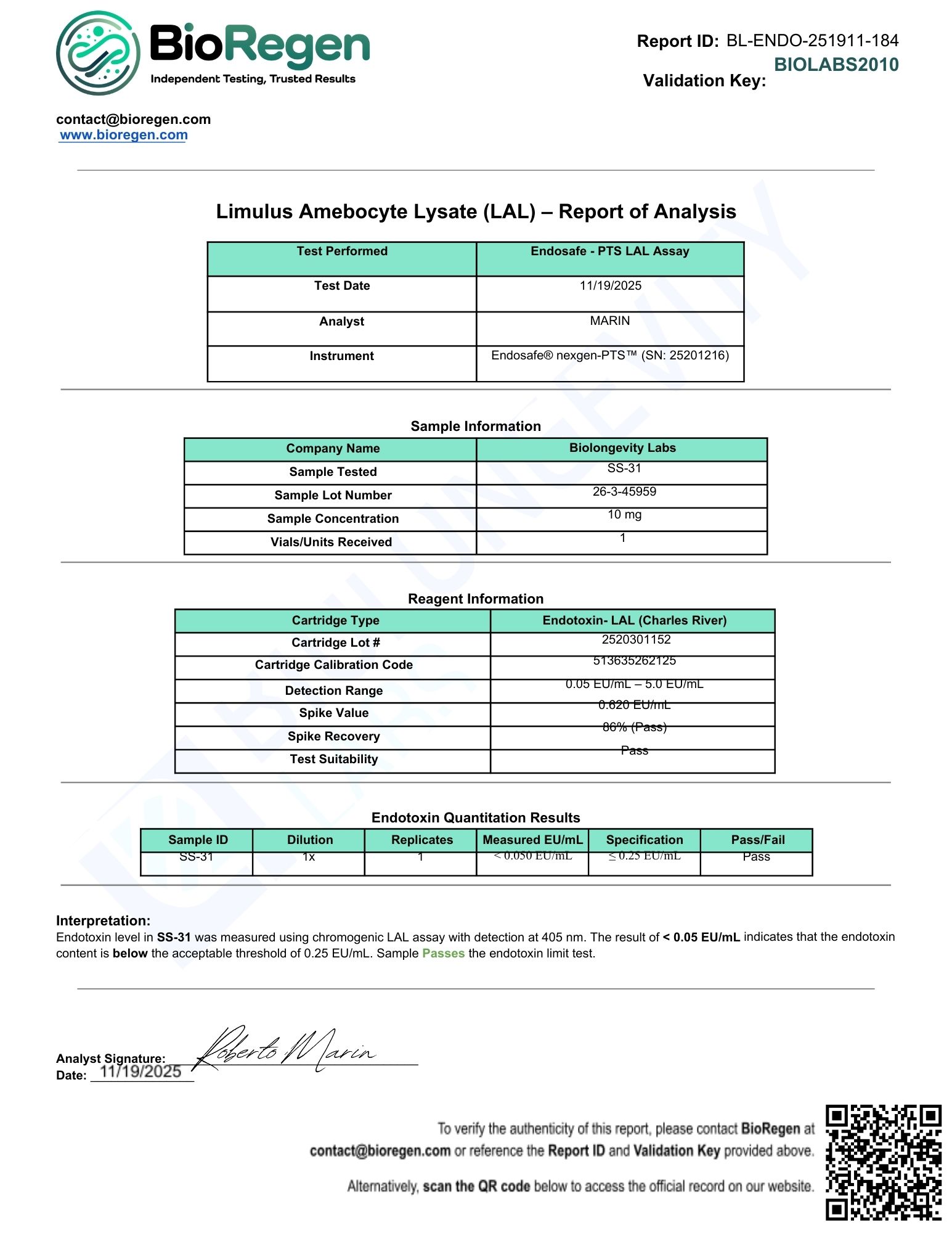
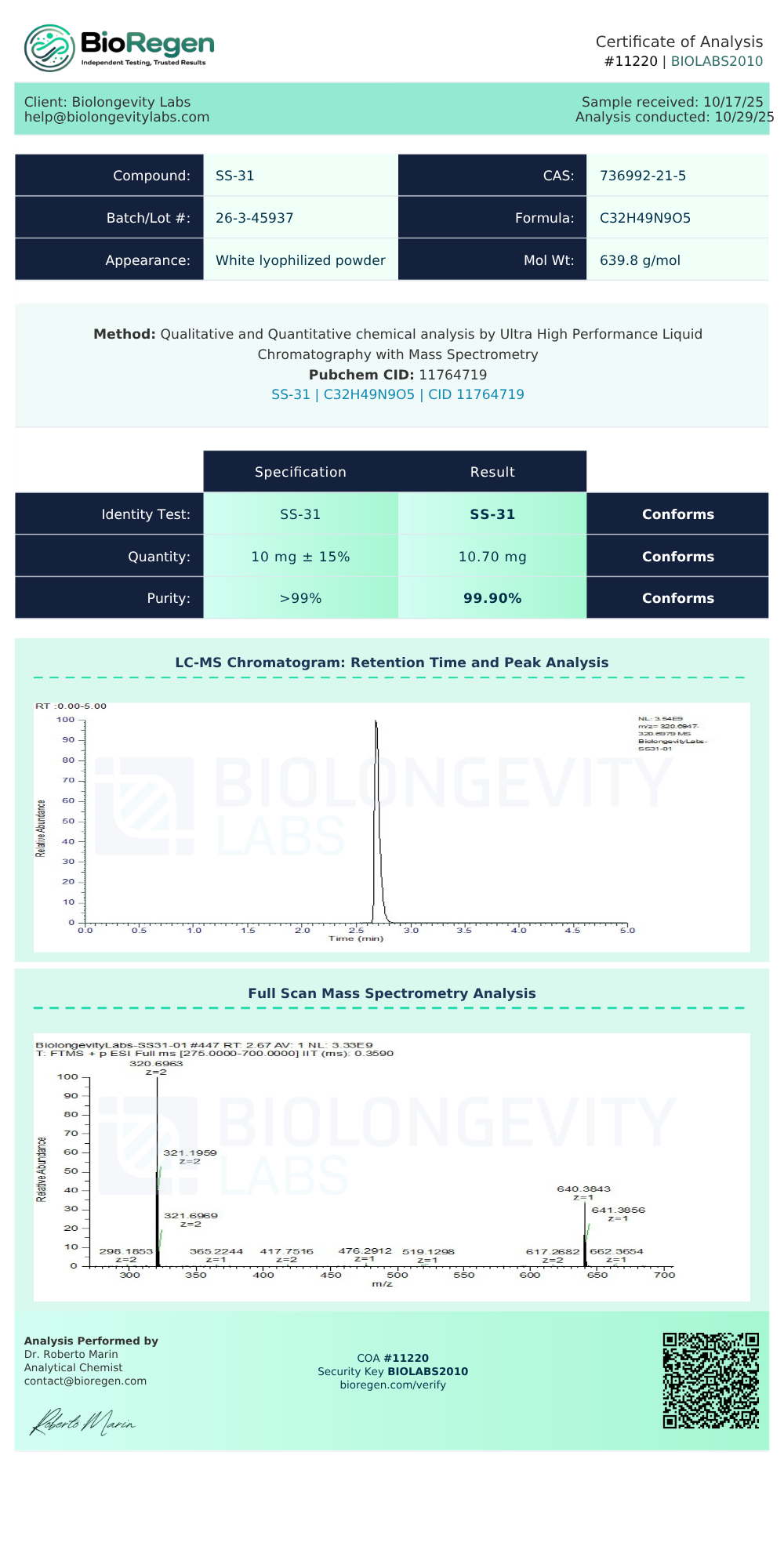
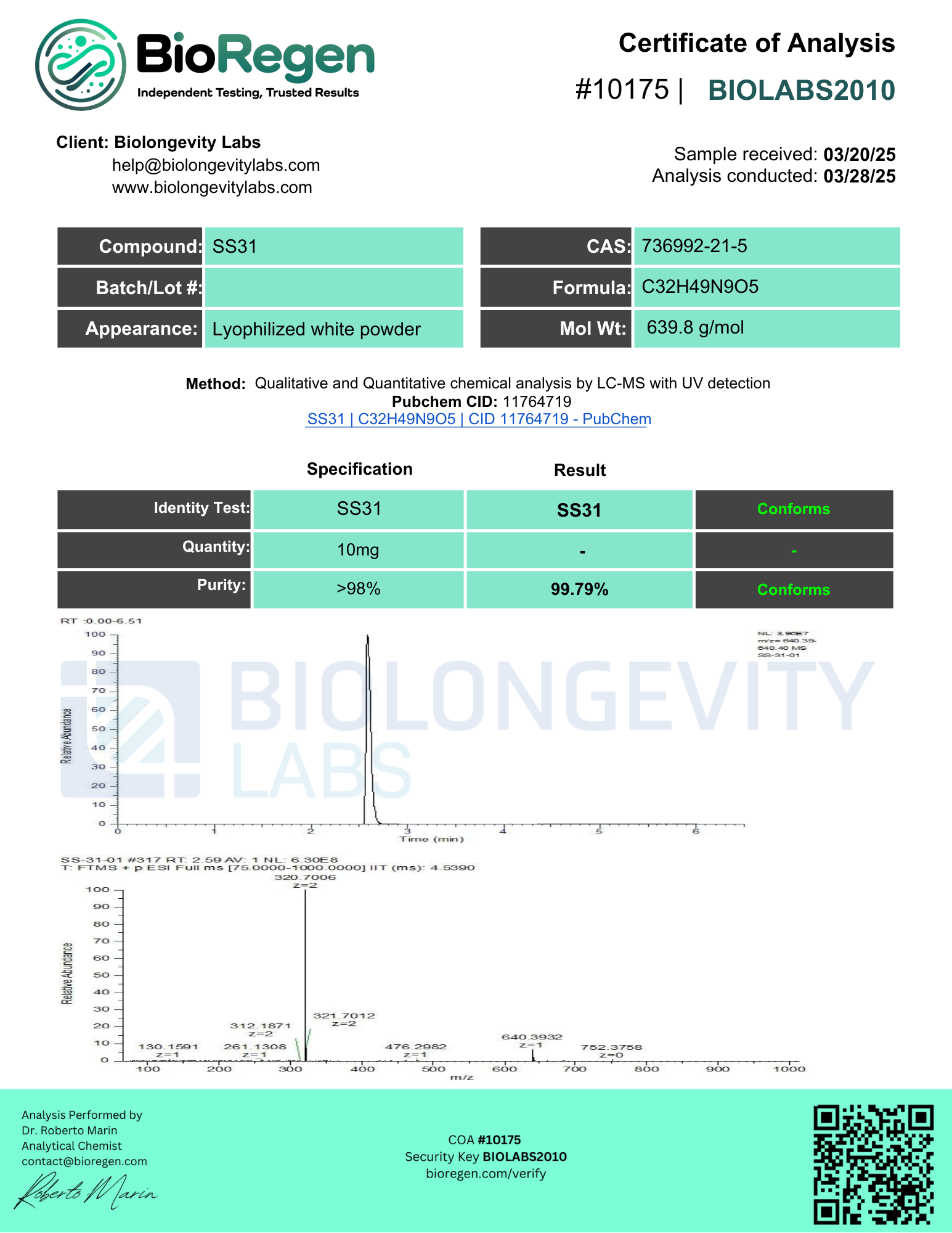
- Ultra-high-performance liquid chromatography with mass spectrometry (UHPLC-MS) for purity, typically confirmed at 99% or higher
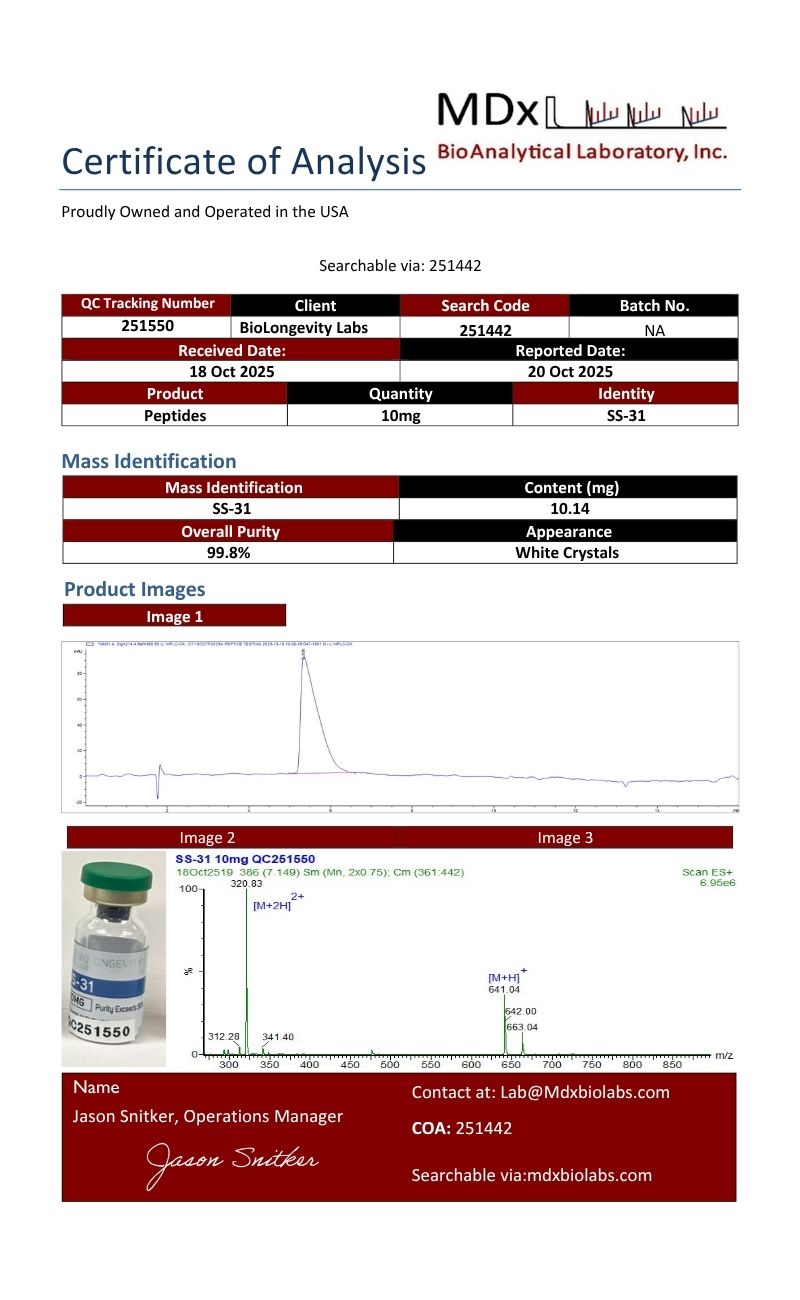
- Mass identification for molecular confirmation and content quantitation
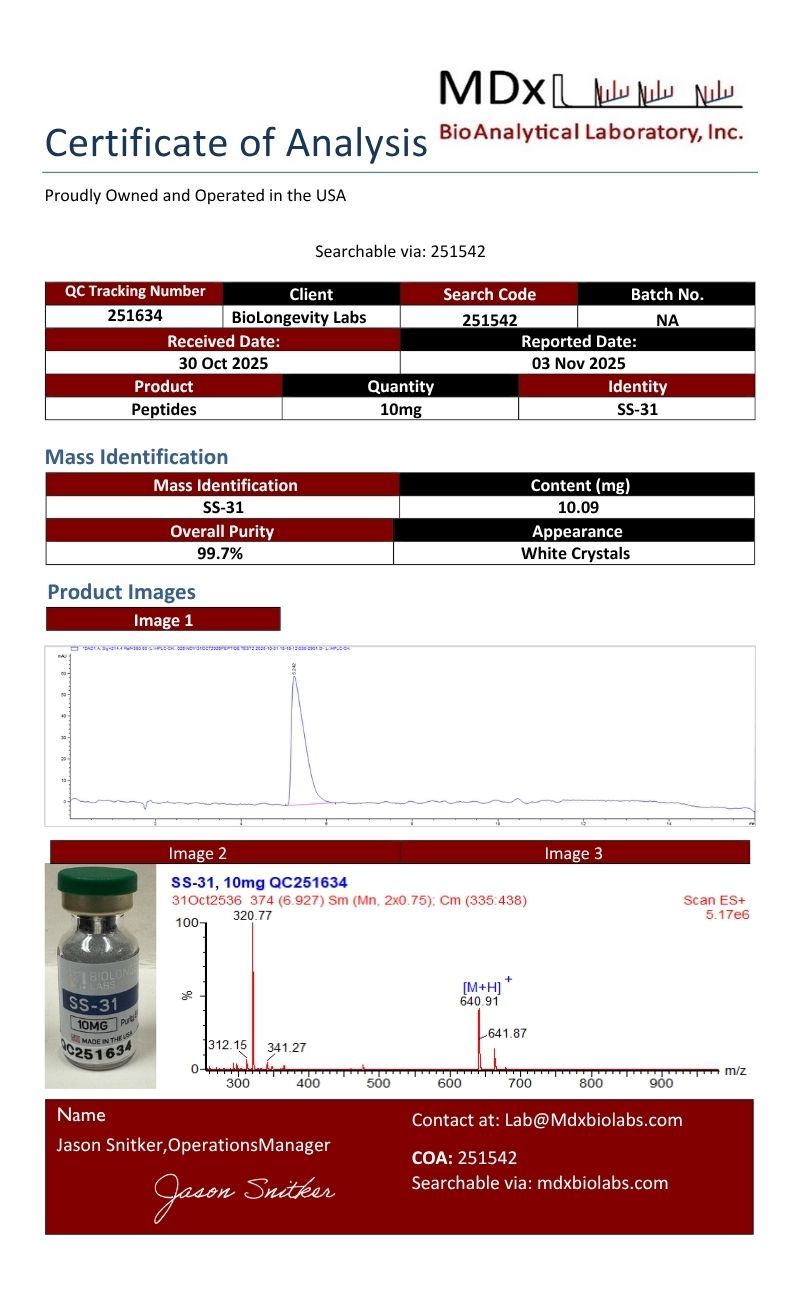
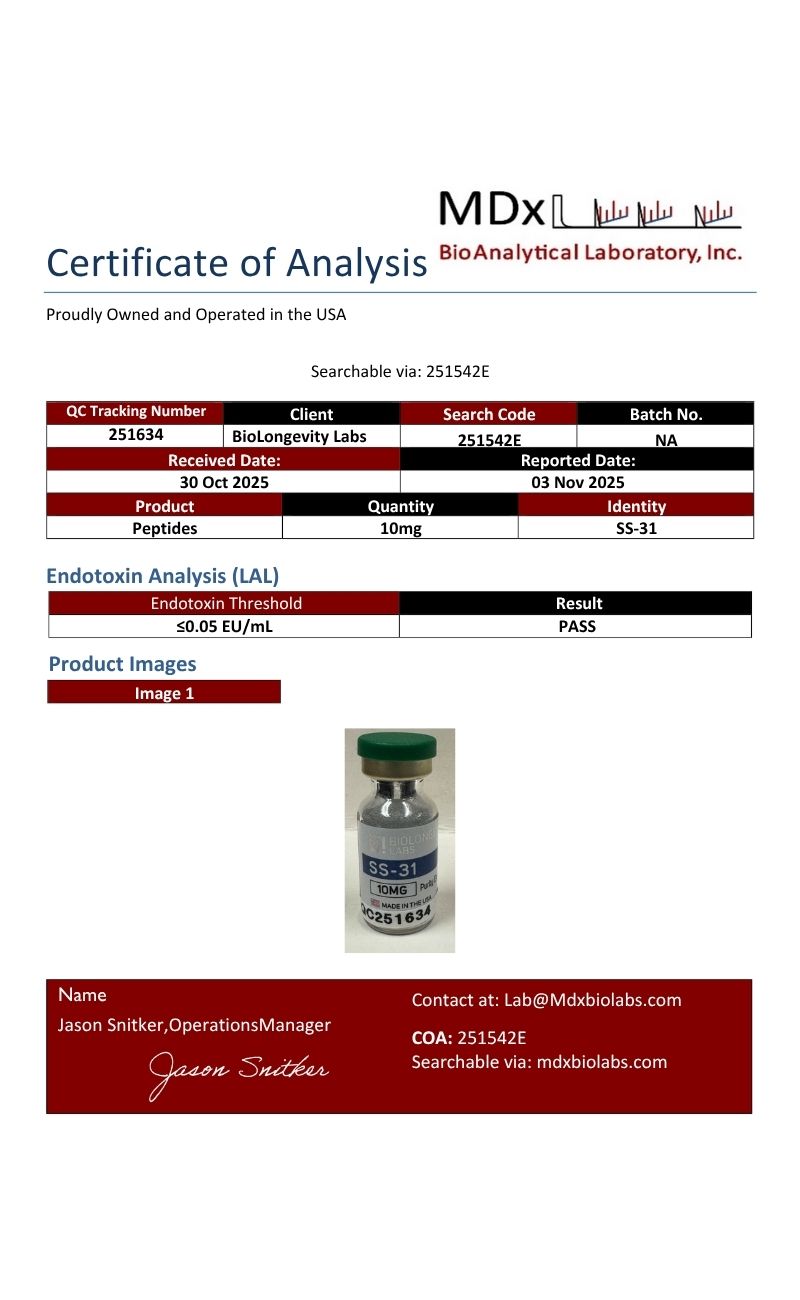
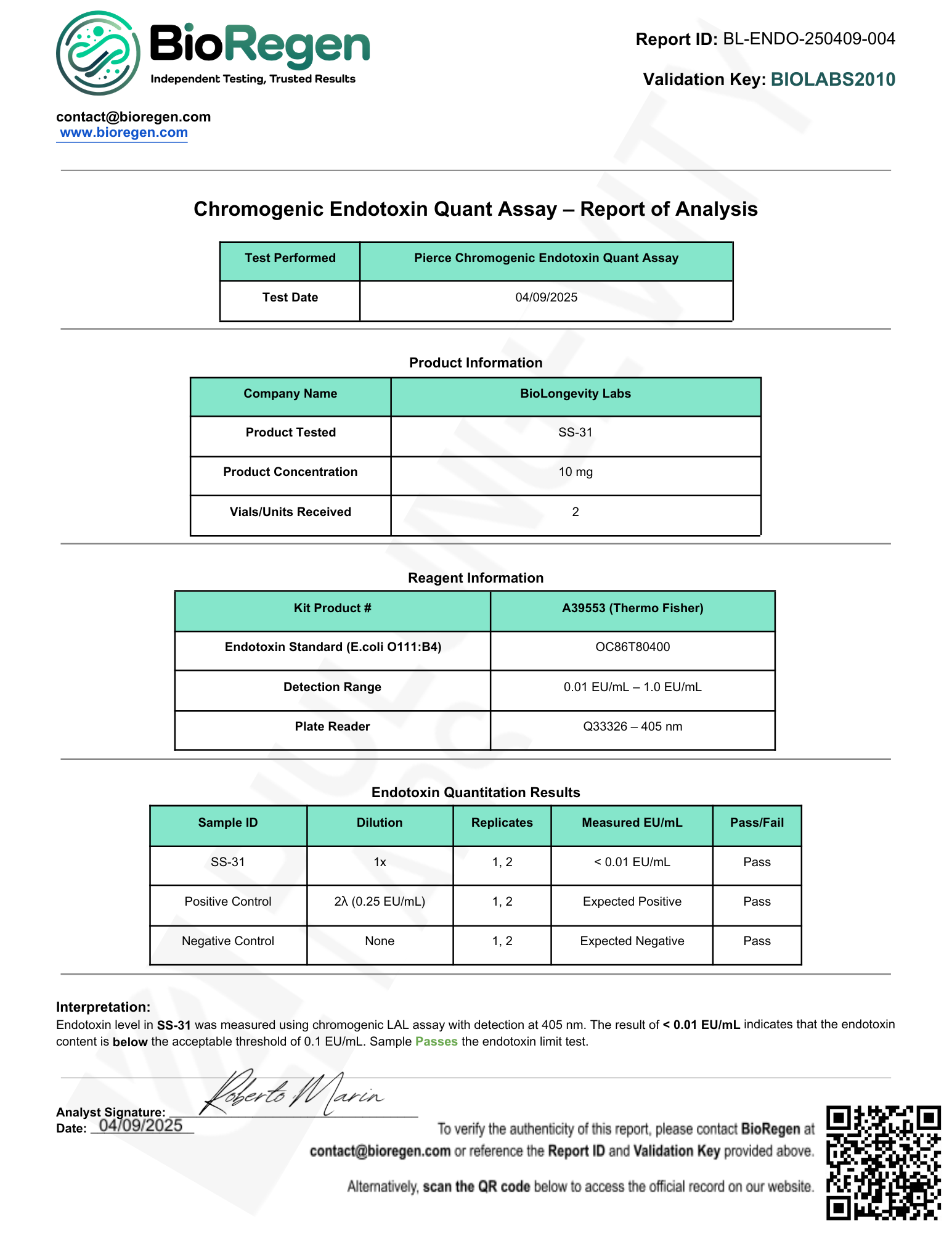
- Endotoxin quantitation by Limulus amebocyte lysate (LAL) assay where applicable
- Visual and physical characterization of the finished material
How to verify a COA independently
Every certificate can be checked against the issuing laboratory’s own records, not just the copy hosted here. Verification does not depend on BioLongevity Labs.
- MDx BioAnalytical Laboratory certificates carry a QC tracking number and a search code. Newer certificates also carry a QR code. Scan the code, or enter the search code at mdxbiolabs.com, to pull the official record.
- BioRegen reports of analysis carry a Report ID and a Validation Key. Scan the QR code on the certificate to open the official record, or reference both identifiers when contacting the laboratory at the address printed on the report.
- SafeCert Labs certificates, which appear on a number of earlier batches, carry a COA number and the signature of the reporting chemist. Reference that number when requesting confirmation from the laboratory directly.
Batches are frequently tested by both laboratories independently. When two certificates exist for the same lot, each one resolves at its own issuing laboratory, which lets a researcher confirm the same material twice through two unrelated sources.
COAs are sourced from independent certified labs rather than in-house testing alone, giving researchers a verifiable record of molecular integrity for each batch. All compounds are supplied for research use only.
Review the COAs for this batch below, or browse the full COA library.
Endotoxin SS-31
SS-31 (251542)
SS-31 (251542E)
SS-31 (11220)
SS-31 (251442)
SS-31 BL-ENDO-250409-004
SS-31(10175)
×
![]()