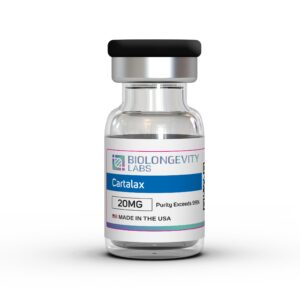
Cartalax Peptide Bioregulator Description
Cartalax is a synthetic tripeptide composed of alanine, glutamic acid, and aspartic acid. Its structure enables interaction with cellular mechanisms in cartilage (chondrocytes) and bone-regulating thyroid cells. The peptide may support joint health by promoting collagen production—a key structural protein in connective tissues—and reducing programmed cell death (apoptosis) in stressed cartilage cells. Its anti-inflammatory effects stem from inhibiting enzymes like matrix metalloproteinases that break down cartilage, while simultaneously curbing inflammatory signaling molecules. Cartalax also appears to influence calcium metabolism through thyroid C cells, potentially aiding bone density.
Peptide Information
| Property |
Value |
| Peptide Sequence |
Ala-Glu-Asp |
| Molecular Formula |
C12H19N3O8 |
| Molecular Weight |
333.29 g/mol |
| PubChem CID |
87815447 |
| Synonyms |
Ala-Glu-Asp, alanyl-glutamyl-aspartic acid, T-31 peptide, H-Ala-Glu-Asp-OH |
Cartalax Structure

Source: PubChem
Cartalax Research
Cartalax exhibits a wide range of biological activities, including effects on skin fibroblasts, modulation of gene expression in aging cells, chondrocyte proliferation, and nephroprotection. These properties make it a promising candidate for further research in regenerative medicine and age-related therapies.
Cartalax and Age-Related Skin Changes
Peptide AED (Cartalax) demonstrates multifaceted anti-aging effects on skin fibroblasts, targeting key cellular and molecular pathways. Studies show Cartalax inhibits matrix metalloproteinase-9 (MMP-9), an enzyme linked to extracellular matrix degradation during aging, while enhancing markers of cell proliferation (Ki-67) and regeneration (CD98hc). It reduces apoptosis by suppressing caspase-3 activity, a critical enzyme in programmed cell death.1
As a polyfunctional peptide, Cartalax penetrates skin barriers effectively and exhibits geroprotective properties by normalizing extracellular matrix homeostasis, stimulating fibroblast activity, and acting as an antioxidant. It also improves dermal microcirculation, supporting skin vitality during aging. These mechanisms position AED as a promising candidate for interventions targeting age-related skin changes.2
Cartalax and Renal Health
Peptide AED (Cartalax) demonstrates potential anti-aging effects in kidney cells by modulating key molecular pathways. Studies show AED increases cell proliferation while reducing expression of aging-associated markers like p16, p21, and p53, alongside boosting levels of SIRT-6, a protein linked to longevity and DNA repair. This peptide interacts with DNA’s minor groove, specifically binding sequences like d(ATATATATAT)2 which may influence gene expression patterns tied to cellular senescence.3
In comparative research, AED and peptide EDL were less potent than a calf kidney-derived polypeptide complex at stimulating kidney cell renewal and suppressing apoptosis, though both peptides still showed measurable activity.4
These findings highlight AED’s role in mitigating age-related cellular decline, positioning it as a candidate for therapies targeting kidney diseases or aging pathologies.
Cartalax and Cellular Aging
One study investigated the effects of the short peptide Ala-Glu-Asp (AED), along with two other peptides, on gene expression in human mesenchymal stem cells undergoing aging in two models: “passages” and “stationary” cultures. AED, like the other peptides, significantly influenced genes associated with cell aging. It increased the expression of the IGF1 gene by 3.5-5.6 fold in both models and stimulated NFκB gene expression, which is linked to inflammation and cellular stress responses.
The study also highlighted differences in how aging models responded to peptides, particularly in TERT expression, which was eight times higher in “stationary” cultures, suggesting a link to cellular longevity.5
These findings suggest that AED and related peptides can modulate key aging-related genes at nanomolar concentrations, offering potential insights into cellular aging mechanisms.
Potential in Neurodegenerative Diseases
Research indicates that AED peptide, along with other peptides, can promote neuronal differentiation in human periodontal ligament stem cells. This suggests potential applications in studying neurogenesis and developing treatments for neurodegenerative diseases.6
Cartilage Regeneration and Geroprotection
Cartalax has demonstrated effectiveness in stimulating chondrocyte proliferation in both young and old rats, indicating its potential for geroprotection and use in osteoarthritis models. It enhances chondrocyte numbers significantly, suggesting its role in cartilage tissue regeneration.7
References
- Linkova, N., Drobintseva, A., Orlova, O., Kuznetsova, E., Polyakova, V., Kvetnoy, I., & Khavinson, V. (2016). Peptide Regulation of Skin Fibroblast Functions during Their Aging In Vitro. Bulletin of Experimental Biology and Medicine, 161, 175 – 178. https://doi.org/10.1007/s10517-016-3370-x
- Khavinson, V., Linkova, N., Diatlova, A., Gutop, E., & Orlova, O. (2020). [Short peptides: regulation of skin function during aging.]. Advances in gerontology = Uspekhi gerontologii, 33 1, 46-54 . https://pubmed.ncbi.nlm.nih.gov/32362083/
- Khavinson, V. K.h, Tarnovskaia, S. I., Lin’kova, N. S., Poliakova, V. O., Durnova, A. O., Nichik, T. E., Kvetnoĭ, I. M., D’iakonov, M. M., & Iakutseni, P. P. (2014). Advances in gerontology = Uspekhi gerontologii, 27(4), 651–656. https://pubmed.ncbi.nlm.nih.gov/25946838/
- Chalisova, N. I., Lin’kova, N. S., Nichik, T. E., Ryzhak, A. P., Dudkov, A. V., & Ryzhak, G. A. (2015). Peptide Regulation of Cells Renewal Processes in Kidney Tissue Cultures from Young and Old Animals. Bulletin of experimental biology and medicine, 159(1), 124–127. https://doi.org/10.1007/s10517-015-2906-9
- Ashapkin, V., Khavinson, V., Shilovsky, G., Linkova, N., & Vanuyshin, B. (2020). Gene expression in human mesenchymal stem cell aging cultures: modulation by short peptides. Molecular biology reports, 47(6), 4323–4329. https://doi.org/10.1007/s11033-020-05506-3
- Caputi, S., Trubiani, O., Sinjari, B., Trofimova, S., Diomede, F., Linkova, N., Diatlova, A., & Khavinson, V. (2019). Effect of short peptides on neuronal differentiation of stem cells. International Journal of Immunopathology and Pharmacology, 33. https://doi.org/10.1177/2058738419828613
- Myakisheva, S., Linkova, N., Polyakova, V., & Ryzhak, G. (2023). PEPTIDES OF CARTILAGE TISSUE: REGULATION OF CHONDROCYTE PROLIFERATION, GEROPROTECTION AND PROSPECTS FOR USE IN OSTEOARTHROSIS. Vrach. https://doi.org/10.29296/25877305-2023-10-08
Certificate of Analysis (COA) for Every Batch
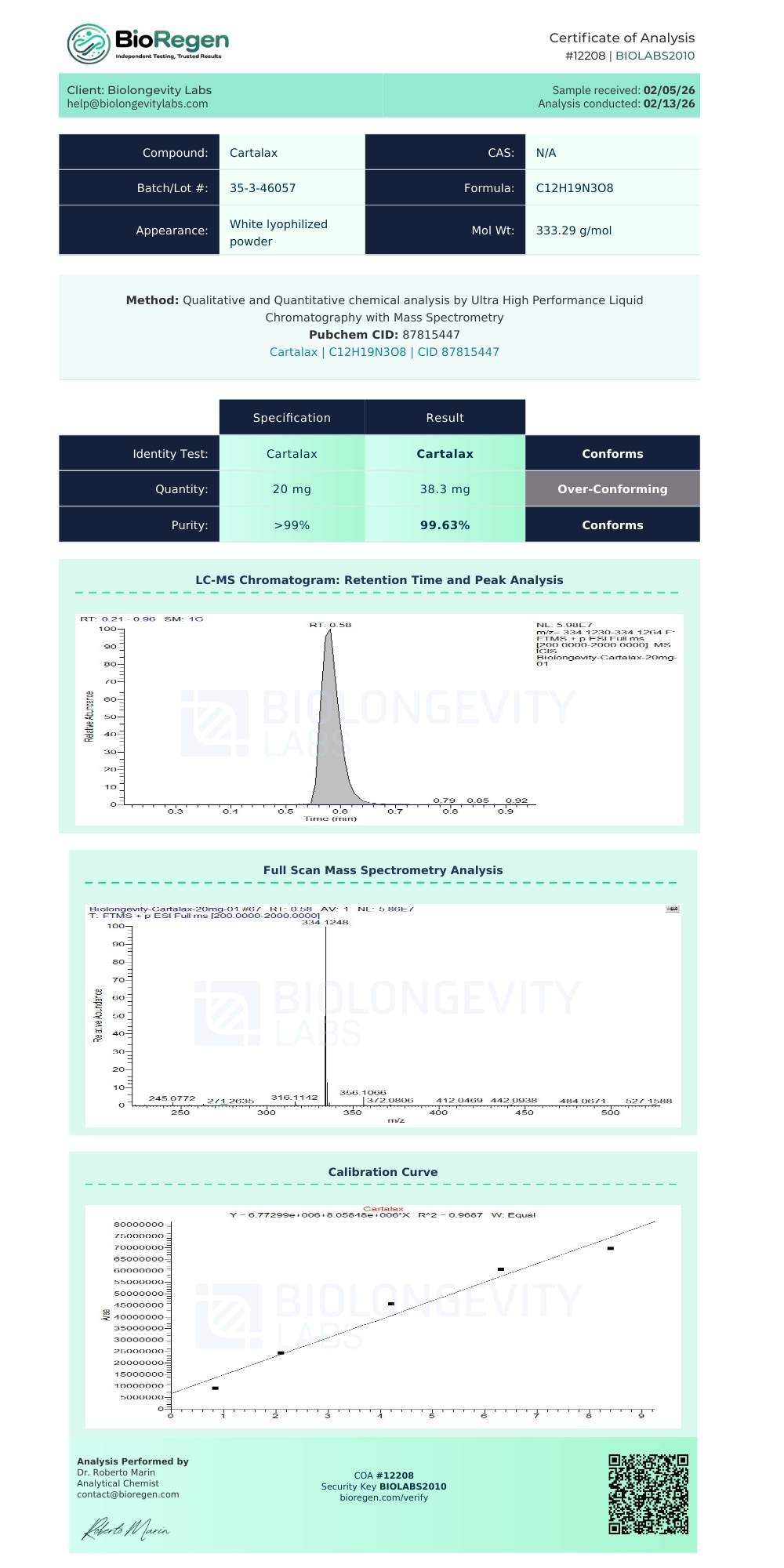
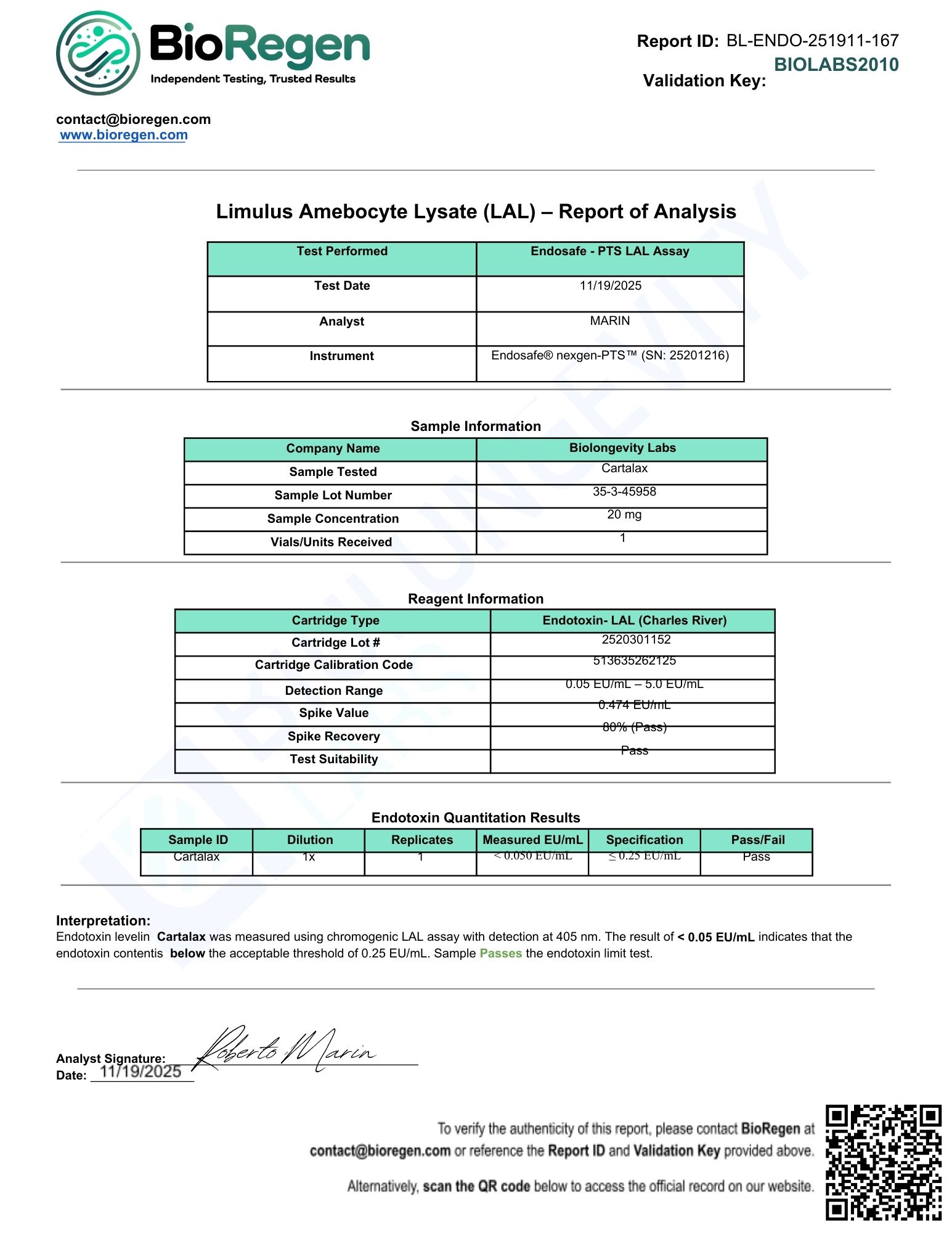
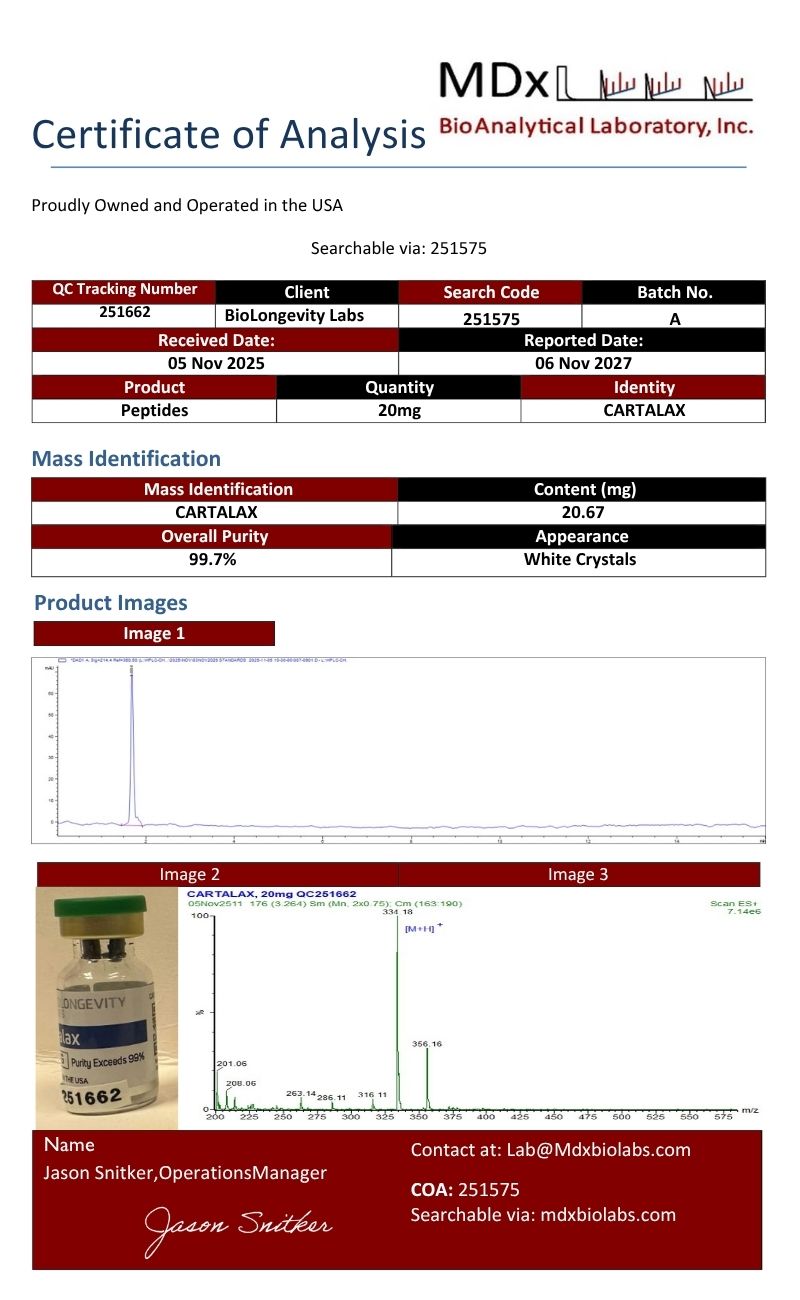
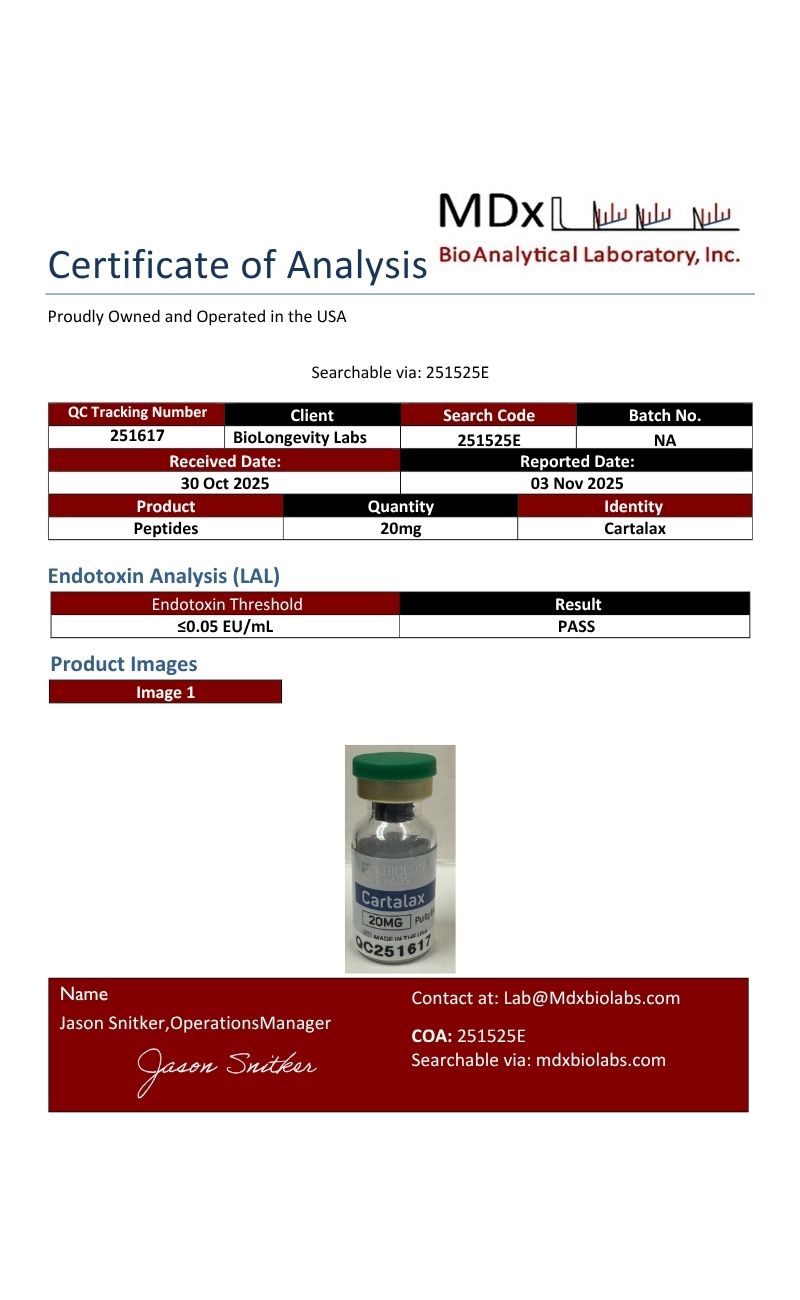
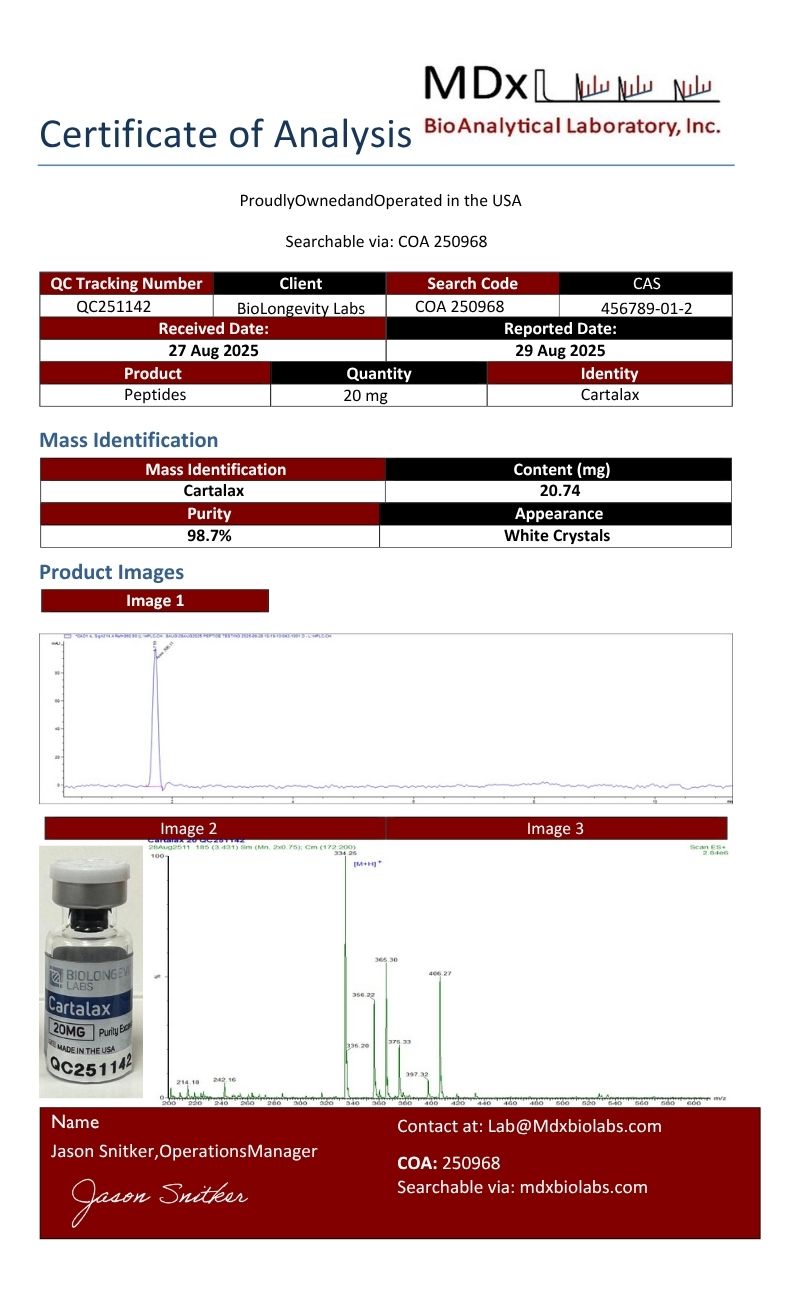
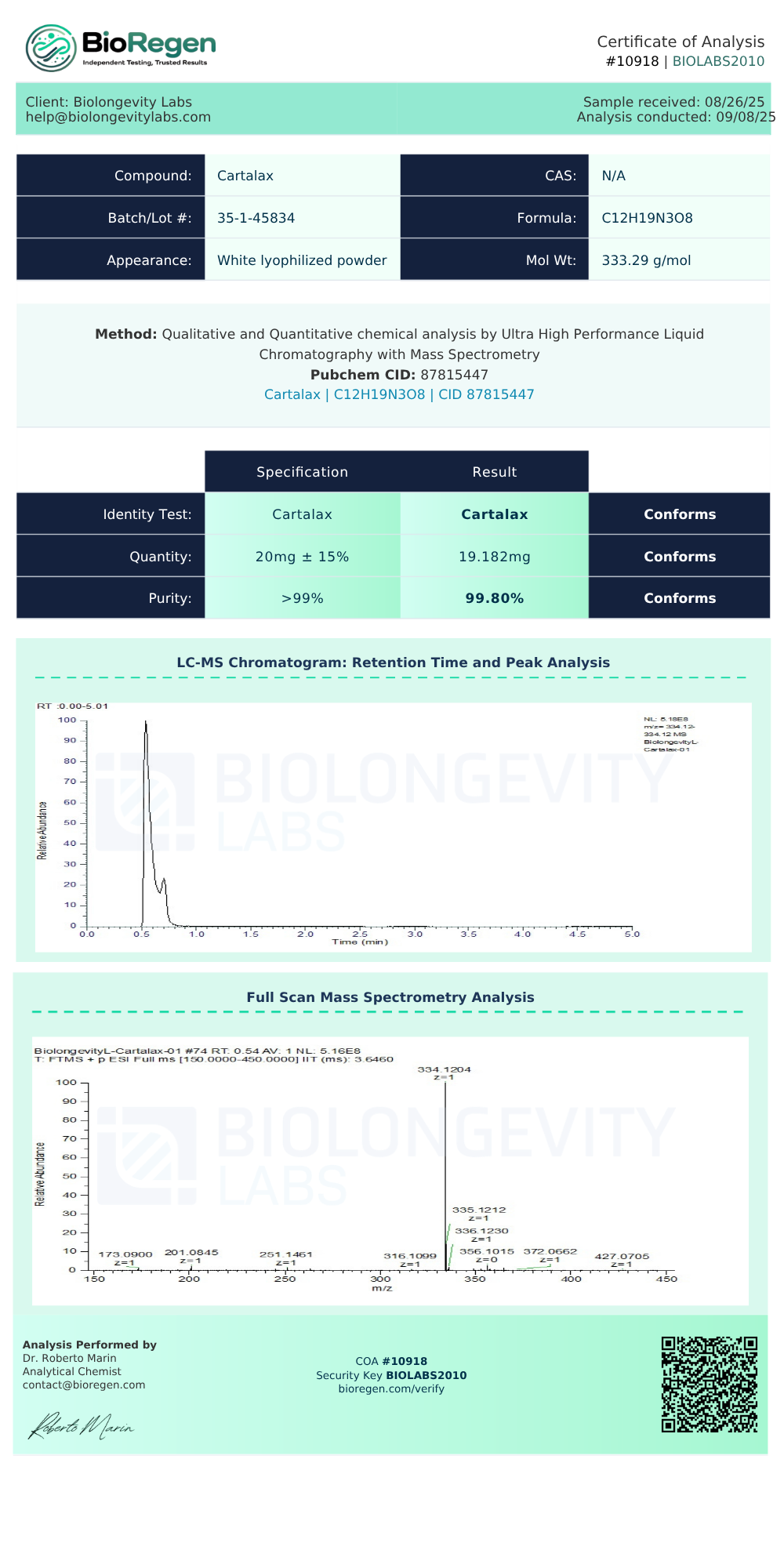
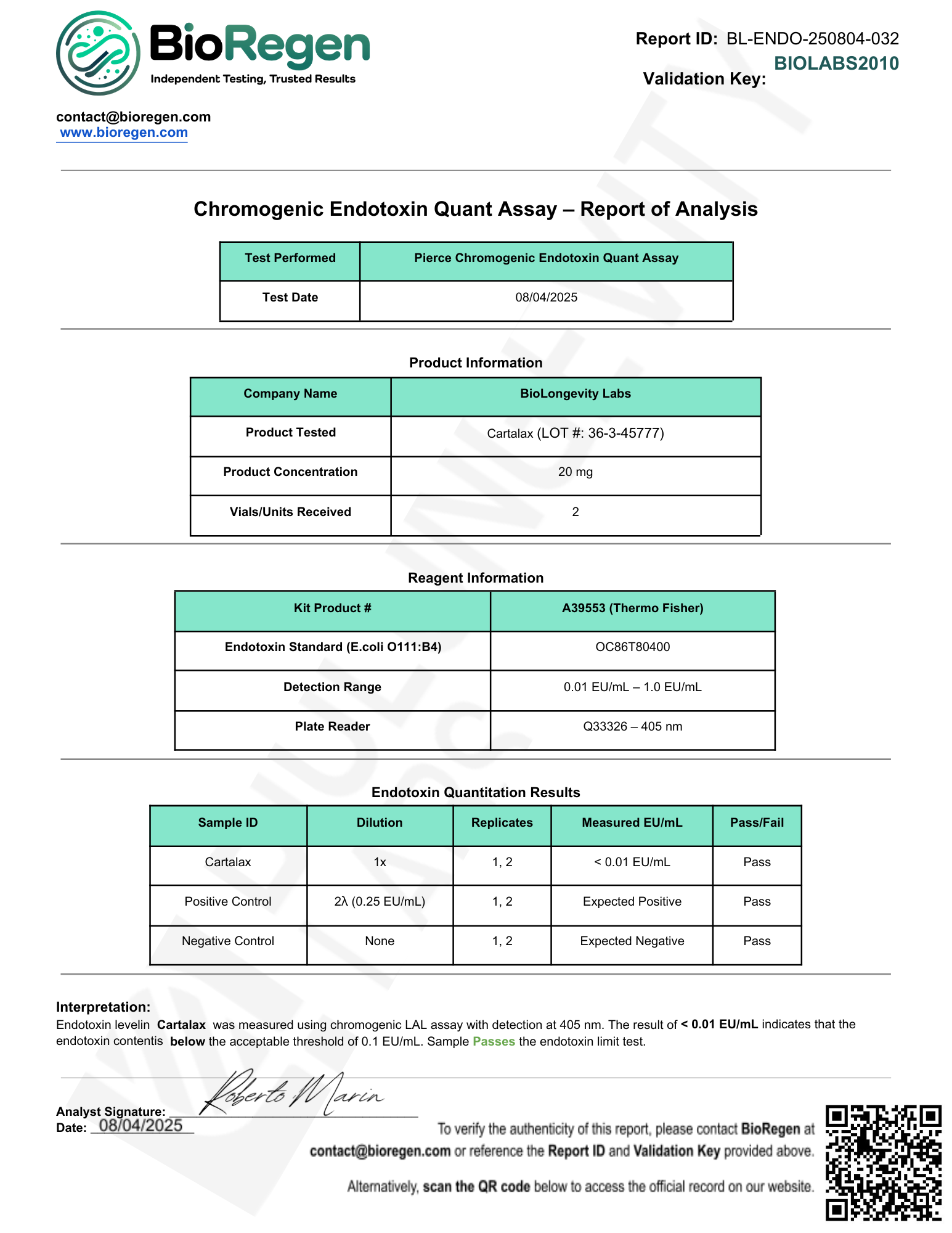
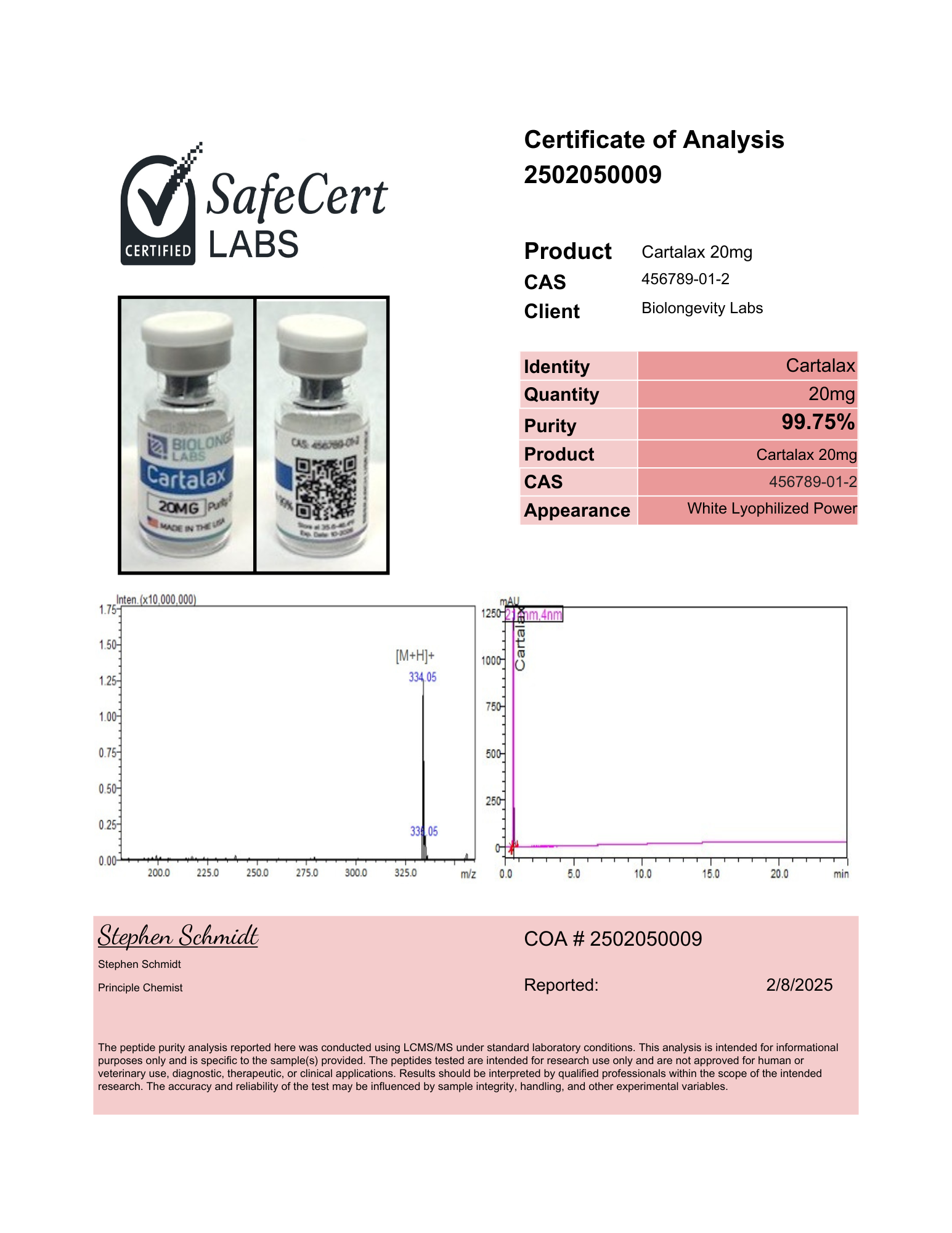
A Certificate of Analysis (COA) is a document that verifies a compound’s identity, purity, and batch quality through independent laboratory testing. Every compound from BioLongevity Labs ships with a COA tied to its specific batch, so researchers can confirm exactly what they received before it enters a protocol.
Each COA reports results from third-party laboratory analysis, including:
- Ultra-high-performance liquid chromatography with mass spectrometry (UHPLC-MS) for purity, typically confirmed at 99% or higher
- Mass identification for molecular confirmation and content quantitation
- Endotoxin quantitation by Limulus amebocyte lysate (LAL) assay where applicable
- Visual and physical characterization of the finished material
How to verify a COA independently
Every certificate can be checked against the issuing laboratory’s own records, not just the copy hosted here. Verification does not depend on BioLongevity Labs.
- MDx BioAnalytical Laboratory certificates carry a QC tracking number and a search code. Newer certificates also carry a QR code. Scan the code, or enter the search code at mdxbiolabs.com, to pull the official record.
- BioRegen reports of analysis carry a Report ID and a Validation Key. Scan the QR code on the certificate to open the official record, or reference both identifiers when contacting the laboratory at the address printed on the report.
- SafeCert Labs certificates, which appear on a number of earlier batches, carry a COA number and the signature of the reporting chemist. Reference that number when requesting confirmation from the laboratory directly.
Batches are frequently tested by both laboratories independently. When two certificates exist for the same lot, each one resolves at its own issuing laboratory, which lets a researcher confirm the same material twice through two unrelated sources.
COAs are sourced from independent certified labs rather than in-house testing alone, giving researchers a verifiable record of molecular integrity for each batch. All compounds are supplied for research use only.
Review the COAs for this batch below, or browse the full COA library.
Cartalax (12208)
Endotoxin Cartalax
CARTALAX (251575)
Cartalax (251525)
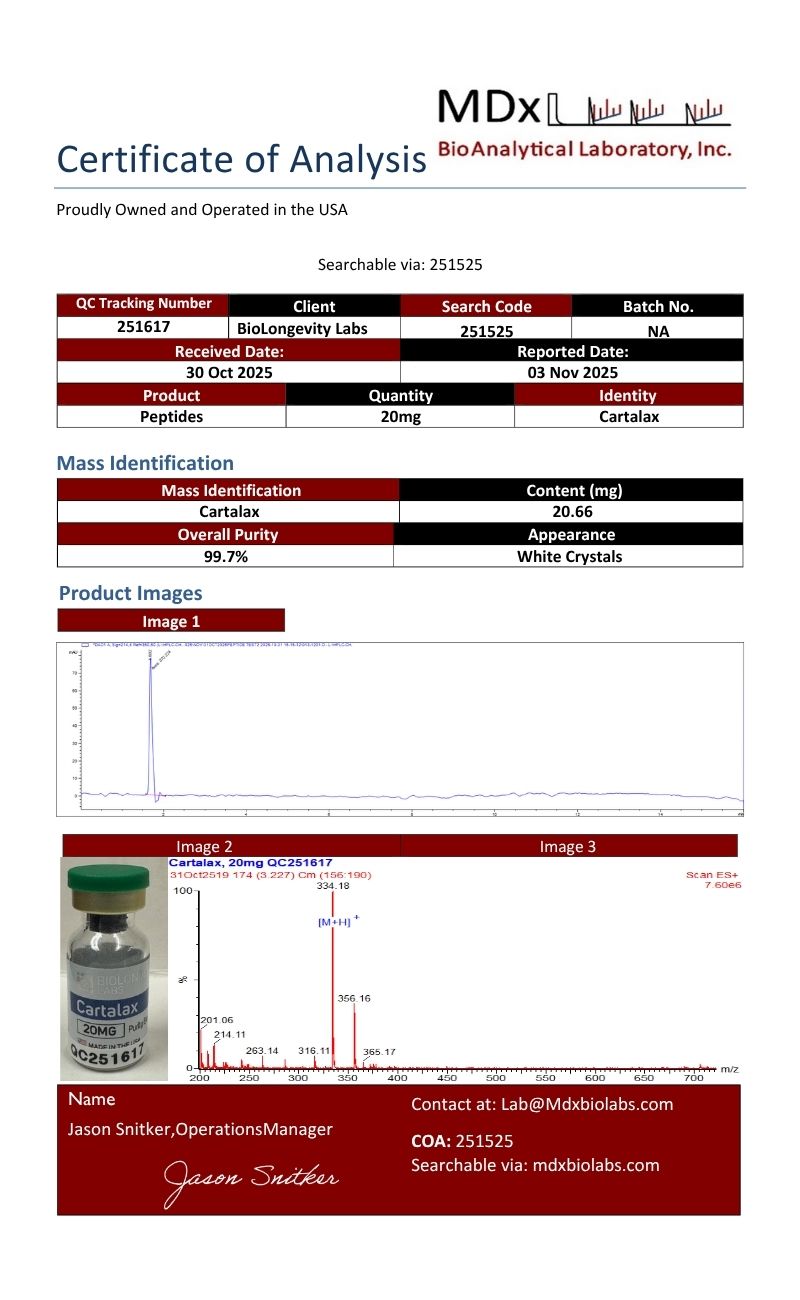
Cartalax (251525E)
Cartalax (250968)
Cartalax(10918)
Endotoxin Cartalax
Cartalax (2502050009)
×
![]()