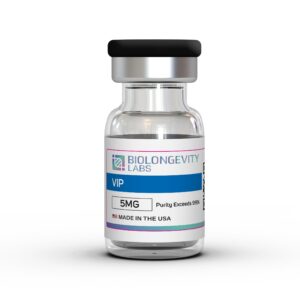
VIP (Vasoactive Intestinal Peptide) Description
Vasoactive intestinal peptide (VIP) is a 28-amino acid regulatory hormone that controls smooth muscle relaxation and secretion processes throughout various biological systems. This research-grade peptide allows laboratories to investigate VIP’s role in cellular signaling, vascular function, and therapeutic pathways through controlled in vitro studies.
Our pharmaceutical-grade VIP maintains high purity standards for reliable research outcomes. Each batch undergoes rigorous testing to support accurate scientific investigations of this important regulatory peptide’s mechanisms and potential therapeutic applications in laboratory research use settings.
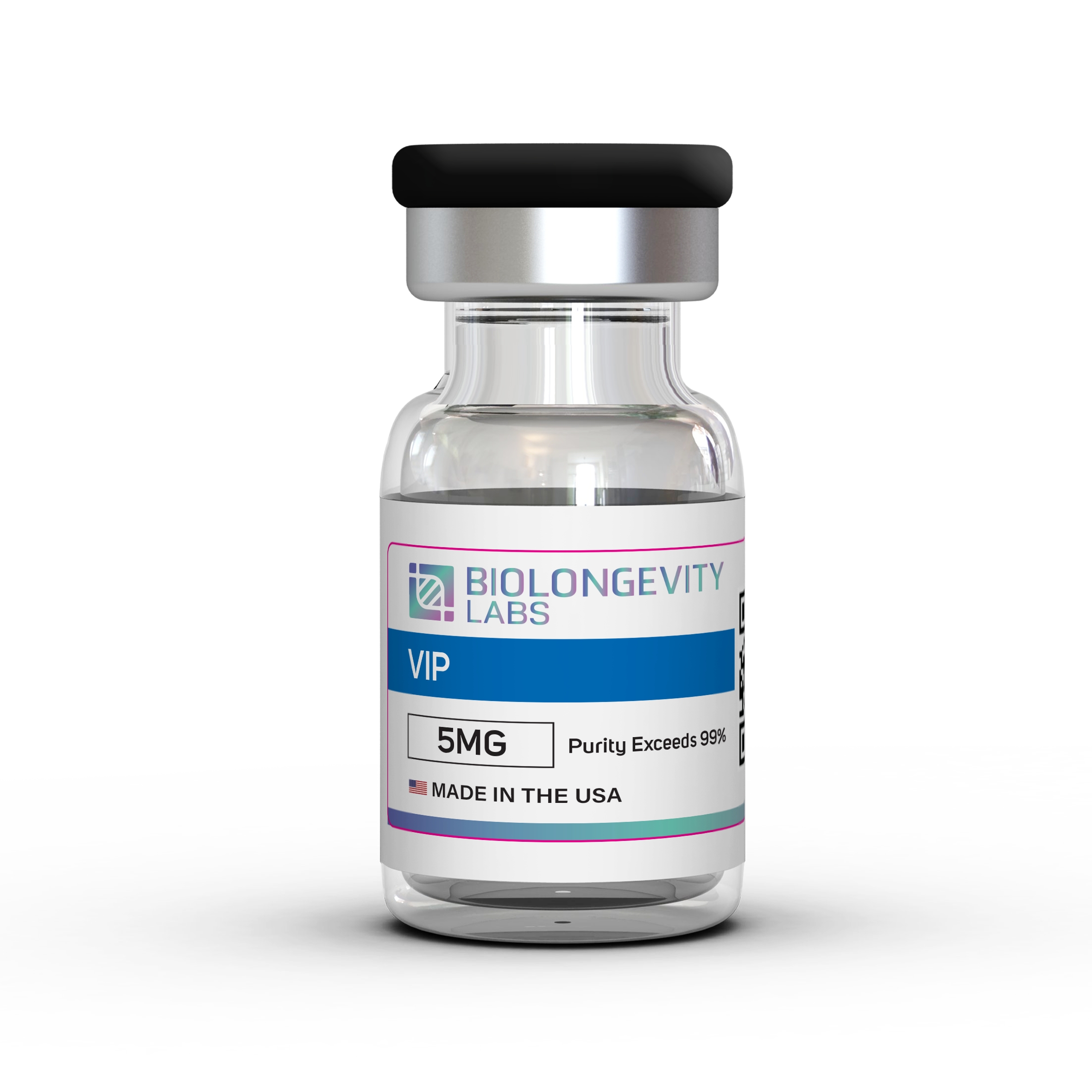
Each vial contains 5 mg of lyophilized VIP. Reconstitute immediately before research use in bacteriostatic water, aliquot single-use, and store at ≤ –20 °C to avoid repeated freeze–thaw cycles.
Peptide Information
| Property |
Value |
| Peptide Sequence |
His-Ser-Asp-Ala-Val-Phe-Thr-Asp-Asn-Tyr-Thr-Arg-Leu-Arg-Lys-Gln-Met-Ala-Val-Lys-Lys-Tyr-Leu-Asn-Ser-Ile-Leu-Asn-NH2 |
| Molecular Formula |
C147H238N44O42S |
| Molecular Weight |
3325.8 g/mol |
| CAS Number |
40077-57-4 |
| PubChem CID |
53314964 |
| Synonyms |
VIP, Aviptadil, Vasoactive Intestinal Polypeptide, Vasoactive Intestinal Peptide |
Lyophilized Peptides:
These peptides are freeze-dried, a process that not only extends shelf life but also preserves the purity and integrity of the peptides during storage. We do not use any fillers in this process.
Product Usage:
This PRODUCT IS INTENDED AS A RESEARCH CHEMICAL ONLY. This designation allows the use of research chemicals strictly for in vitro testing and laboratory experimentation only. All product information available on this website is for educational purposes only. This product should only be handled by licensed, qualified professionals. This product is not a drug, food, or cosmetic and may not be misbranded, misused or mislabeled as a drug.
VIP Research
VIP research spans multiple biological systems, offering laboratories diverse opportunities to study this 28-amino acid peptide’s regulatory mechanisms.
Cardiovascular Research
VIP acts as a potent vasodilator by binding to VPAC receptors and increasing nitric oxide production. Laboratory studies show VIP influences coronary blood flow and heart rate regulation through its presence in cardiac nerve fibers[1].
Digestive System Studies
Research demonstrates VIP’s role in gut motility regulation through smooth muscle relaxation in the esophageal sphincter and stomach. The peptide stimulates pancreatic secretion of water and electrolytes while inhibiting gastric acid production[2].
Immune System Investigations
VIP exhibits anti-inflammatory properties by binding to VPAC1 and VPAC2 receptors on immune cells. Studies show the peptide inhibits T-cell proliferation and suppresses inflammatory cytokine production from macrophages and microglia[3].
Neurological Research
Laboratory investigations reveal VIP’s neuroprotective effects on dopaminergic neurons through microglial modulation. The peptide plays a central role in circadian rhythm regulation via VPAC2 receptor activation in the suprachiasmatic nucleus[4].
Receptor Mechanisms
VIP research focuses on VPAC1 and VPAC2 receptor interactions that trigger adenylate cyclase activation and cAMP elevation[5]. These signaling cascades activate protein kinase A pathways across different cell types[6].
References
- R. Henning, “Vasoactive intestinal peptide: cardiovascular effects,” Oxford University Press (OUP), Jan. 2001. doi: 10.1016/s0008-6363(00)00229-7. https://doi.org/10.1016/s0008-6363(00)00229-7
- M. Iwasaki, Y. Akiba, and J. D. Kaunitz, “Recent advances in vasoactive intestinal peptide physiology and pathophysiology: focus on the gastrointestinal system,” F1000 Research Ltd, Sep. 2019. doi: 10.12688/f1000research.18039.1. https://doi.org/10.12688/f1000research.18039.1
- C. Martínez et al., “A Clinical Approach for the Use of VIP Axis in Inflammatory and Autoimmune Diseases,” MDPI AG, Dec. 2019. doi: 10.3390/ijms21010065. https://doi.org/10.3390/ijms21010065
- J. Fahrenkrug, “Transmitter Role of Vasoactive Intestinal Peptide,” Wiley, Jun. 1993. doi: 10.1111/j.1600-0773.1993.tb01344.x. https://doi.org/10.1111/j.1600-0773.1993.tb01344.x
- I. Langer, “Mechanisms involved in VPAC receptors activation and regulation: lessons from pharmacological and mutagenesis studies,” Frontiers Media SA, 2012. doi: 10.3389/fendo.2012.00129. https://doi.org/10.3389/fendo.2012.00129
- I. Kato et al., “Transgenic mice overexpressing human vasoactive intestinal peptide (VIP) gene in pancreatic beta cells. Evidence for improved glucose tolerance and enhanced insulin secretion by VIP and PHM-27 in vivo.,” Journal of Biological Chemistry, vol. 269 33, pp. 21223–8, 1994.
Certificate of Analysis (COA) for Every Batch
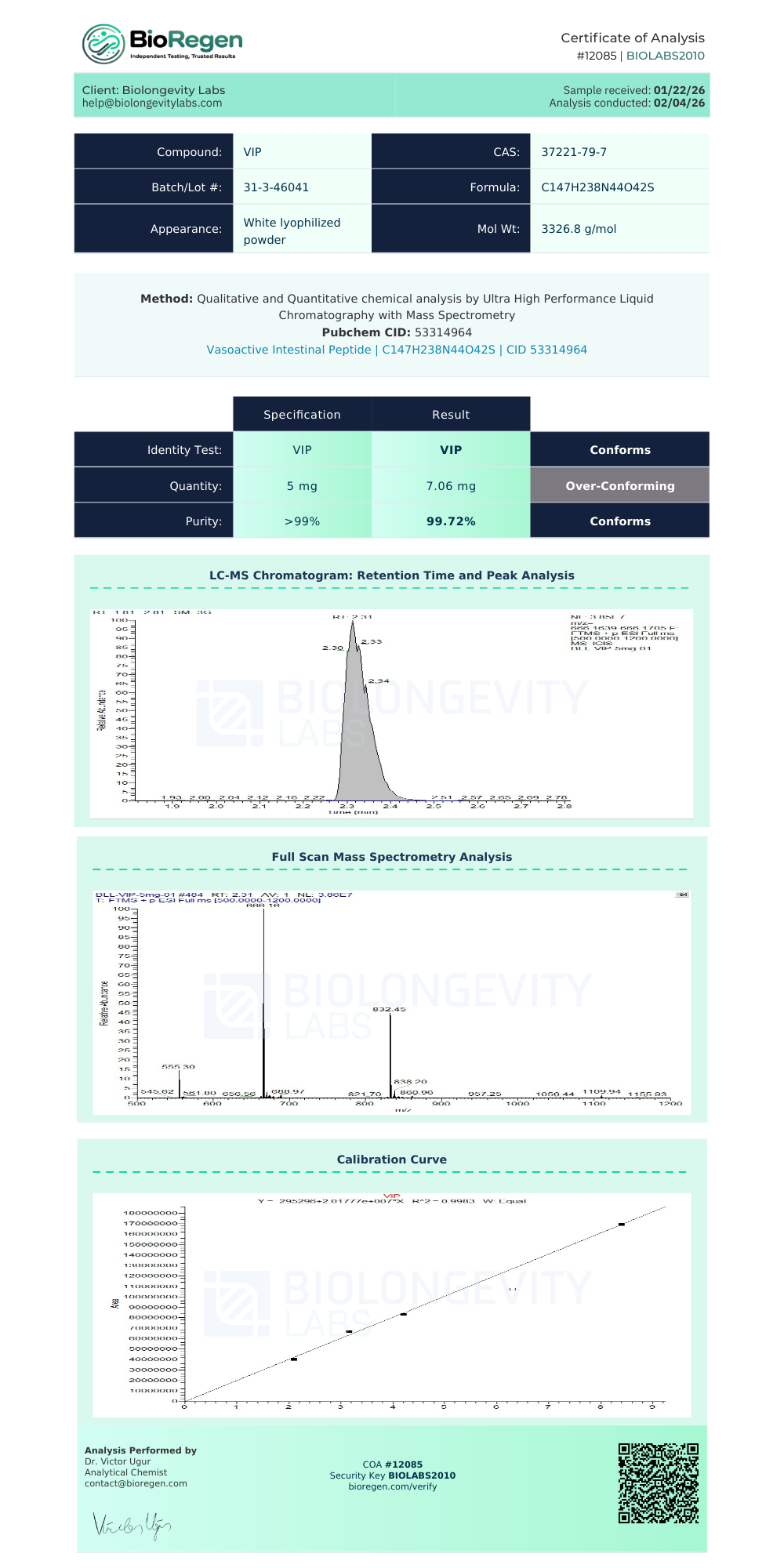
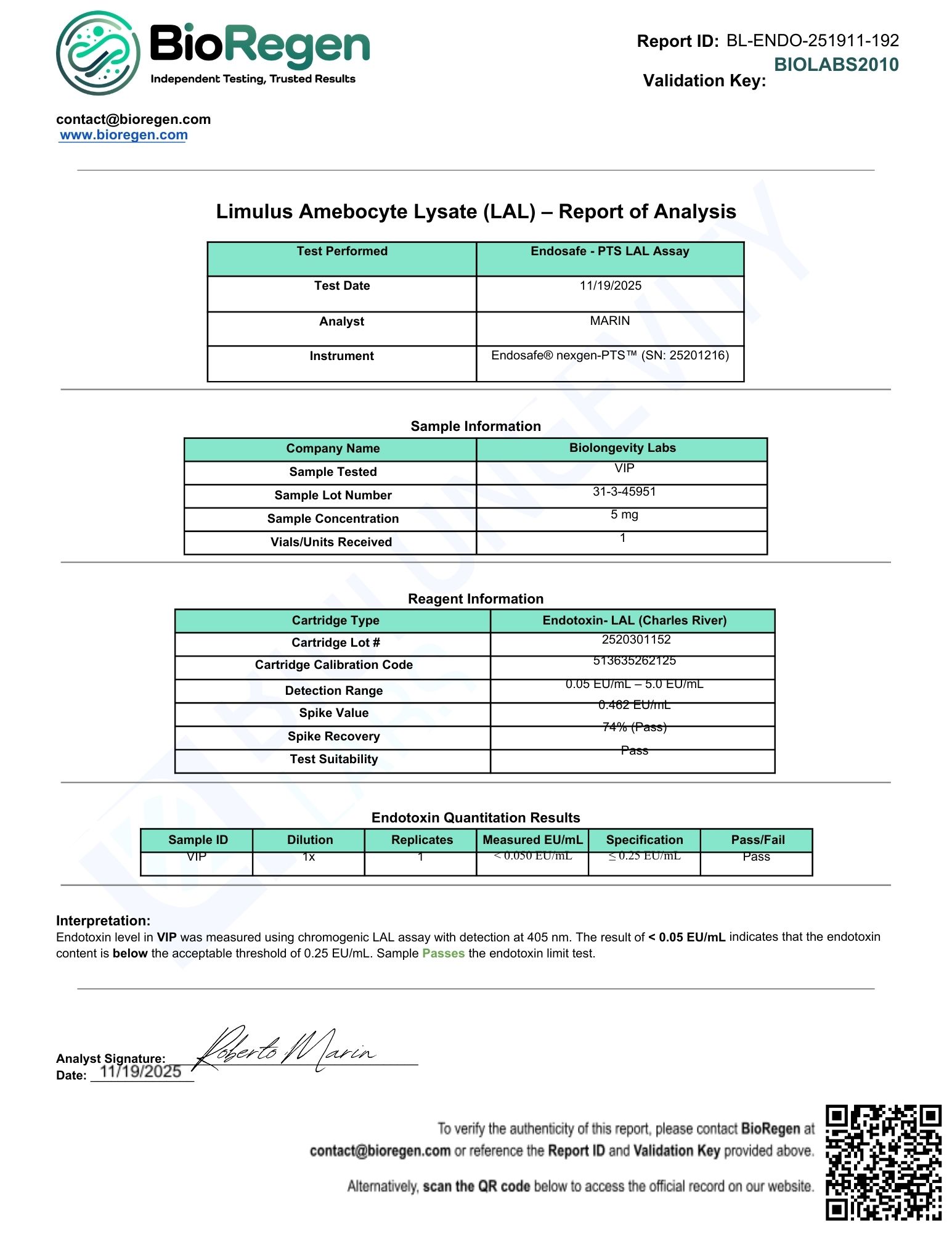
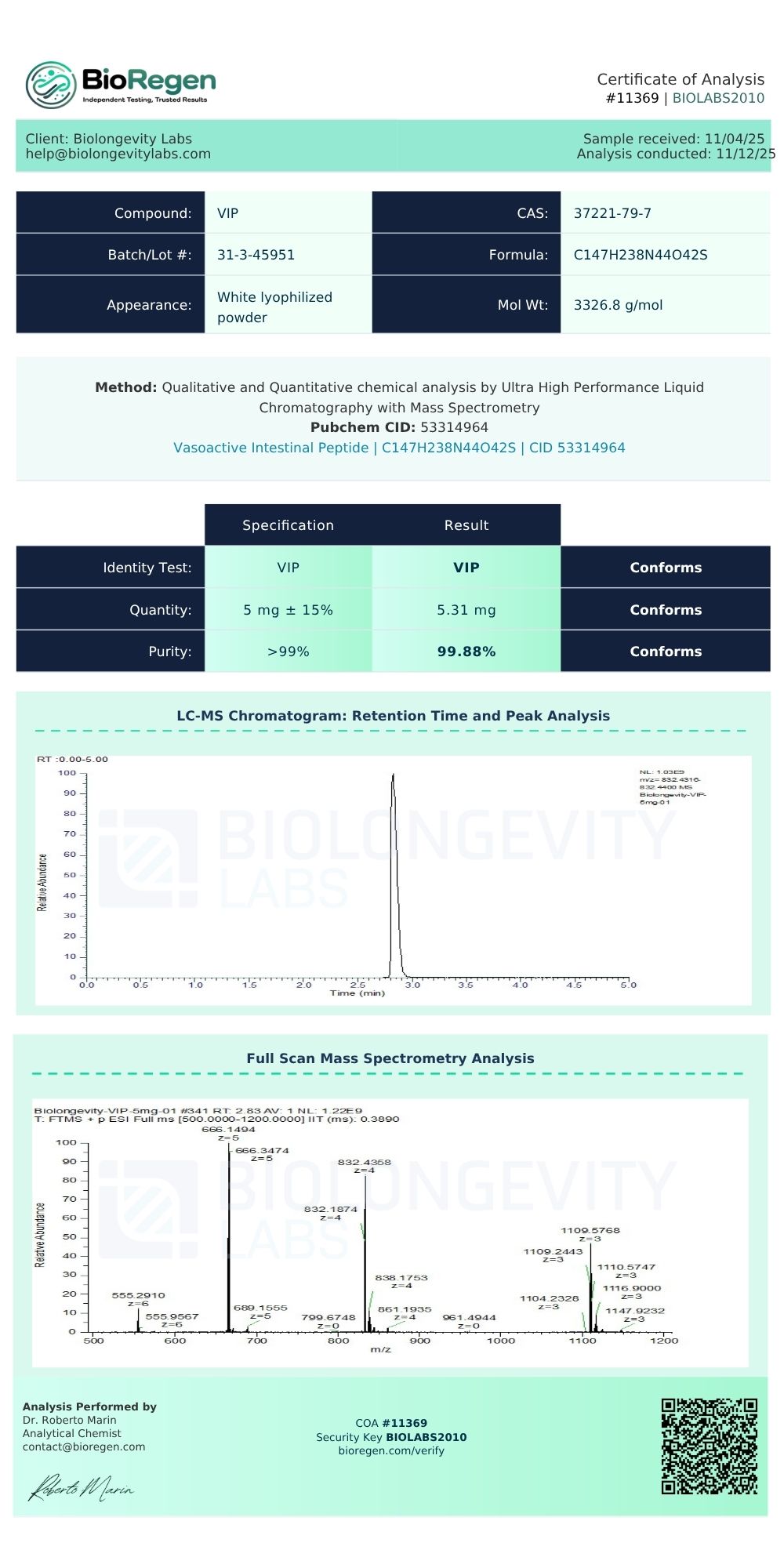
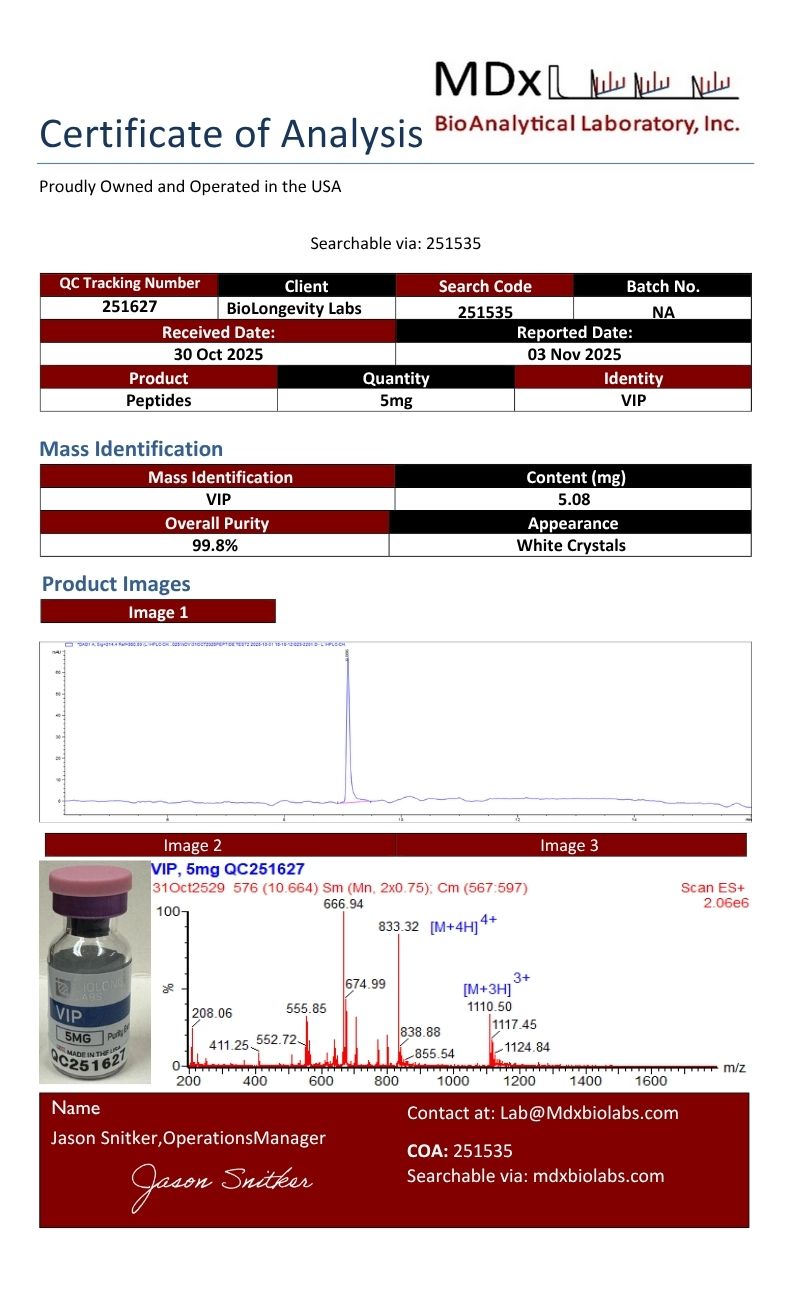
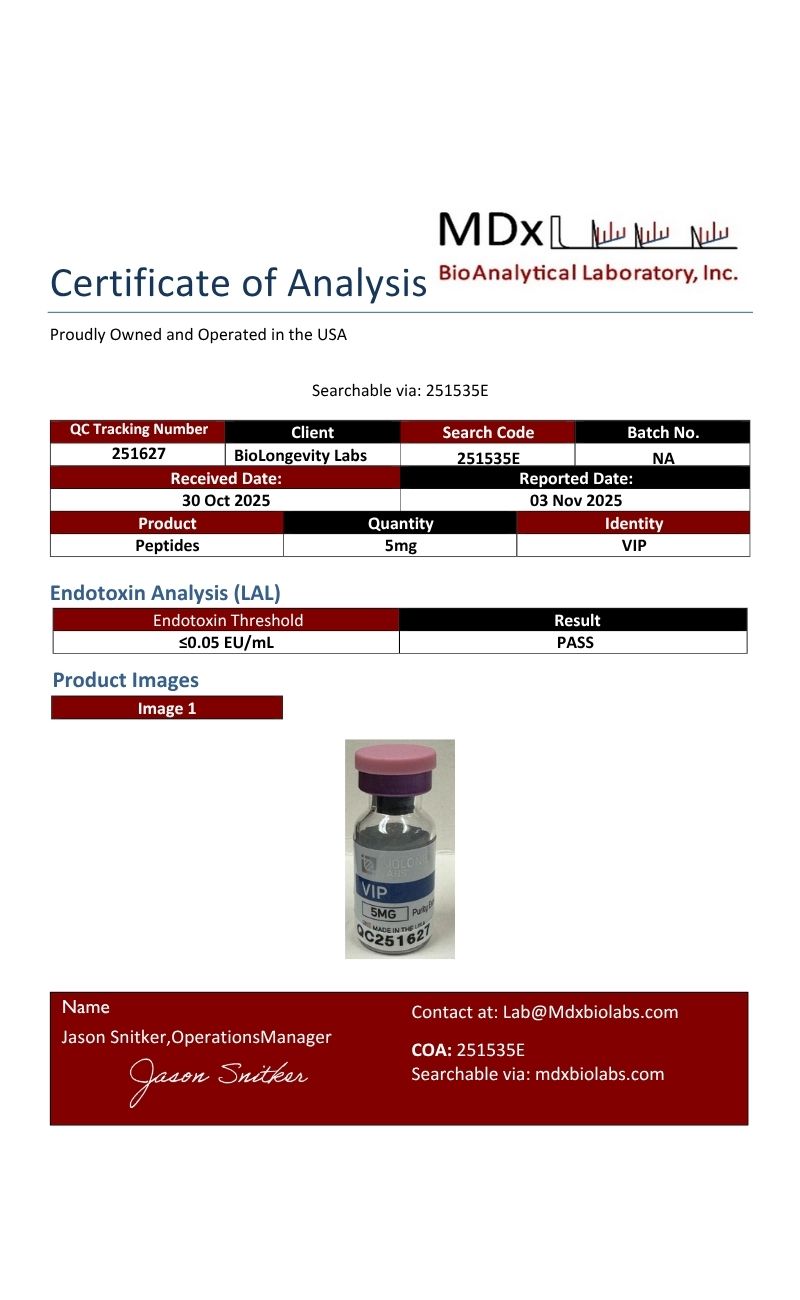
A Certificate of Analysis (COA) is a document that verifies a compound’s identity, purity, and batch quality through independent laboratory testing. Every compound from BioLongevity Labs ships with a COA tied to its specific batch, so researchers can confirm exactly what they received before it enters a protocol.
Each COA reports results from third-party laboratory analysis, including:
- Ultra-high-performance liquid chromatography with mass spectrometry (UHPLC-MS) for purity, typically confirmed at 99% or higher
- Mass identification for molecular confirmation and content quantitation
- Endotoxin quantitation by Limulus amebocyte lysate (LAL) assay where applicable
- Visual and physical characterization of the finished material
How to verify a COA independently
Every certificate can be checked against the issuing laboratory’s own records, not just the copy hosted here. Verification does not depend on BioLongevity Labs.
- MDx BioAnalytical Laboratory certificates carry a QC tracking number and a search code. Newer certificates also carry a QR code. Scan the code, or enter the search code at mdxbiolabs.com, to pull the official record.
- BioRegen reports of analysis carry a Report ID and a Validation Key. Scan the QR code on the certificate to open the official record, or reference both identifiers when contacting the laboratory at the address printed on the report.
- SafeCert Labs certificates, which appear on a number of earlier batches, carry a COA number and the signature of the reporting chemist. Reference that number when requesting confirmation from the laboratory directly.
Batches are frequently tested by both laboratories independently. When two certificates exist for the same lot, each one resolves at its own issuing laboratory, which lets a researcher confirm the same material twice through two unrelated sources.
COAs are sourced from independent certified labs rather than in-house testing alone, giving researchers a verifiable record of molecular integrity for each batch. All compounds are supplied for research use only.
Review the COAs for this batch below, or browse the full COA library.
VIP (12085)
Endotoxin VIP
VIP (11369)
VIP (251535)
VIP (251535E)
×
![]()