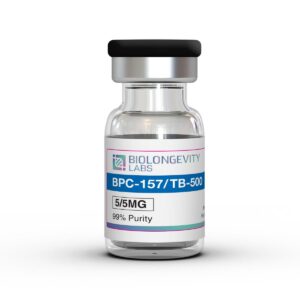
BPC-157 and TB-500 Blend
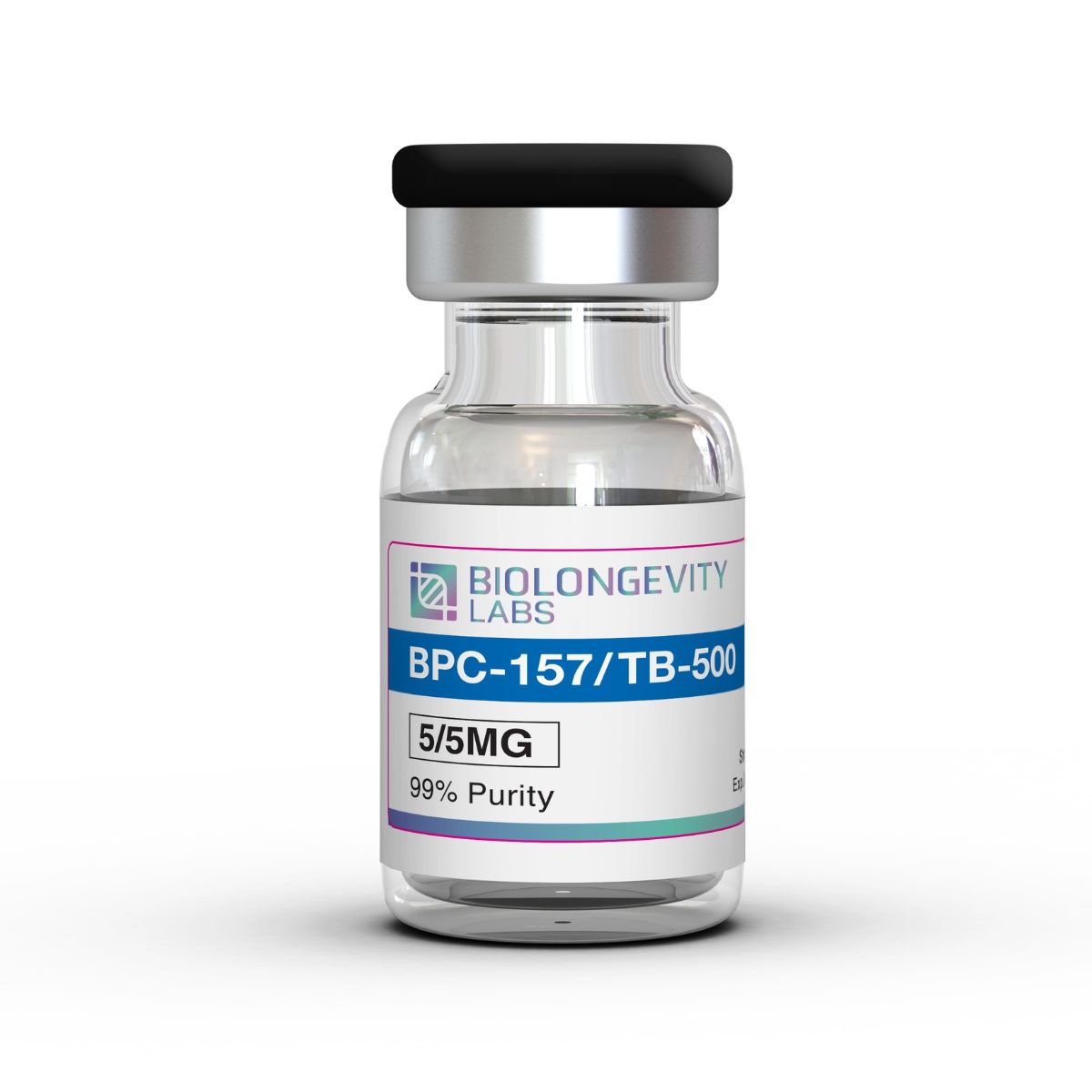
This is a blend (10mg) each of BPC-157 (5mg) and TB-500 (5mg).
BPC-157 (short for Body Protection Compound-157) is a synthetic peptide derived from a protective protein found in gastric juice. First isolated in the 1990s, this partial sequence of body protection compound consists of 15 amino acids arranged in a specific sequence that appears to contribute to its biological activity. Its structure enables stability in gastric acid, unlike many other peptides that degrade in acidic environments. This unique property may contribute to its diverse effects across multiple tissue types.
TB-500 is a synthetic version of the naturally occurring peptide Thymosin Beta-4 (Tβ4), which is found in nearly all mammalian cells. The synthetic TB-500 represents the active segment of Tβ4, focusing on a specific portion believed to drive its biological activity.
While both peptides have been studied for tissue-regenerative properties, they appear to function through different mechanisms:
- BPC-157 may work primarily through growth factor-mediated pathways and nitric oxide systems.
- TB-500 appears to function mainly through actin-binding and subsequent cellular organization.
This mechanistic difference suggests they may have complementary effects when studied in laboratory settings, potentially affecting different aspects of the tissue repair process.
Product Specifications
| Specification |
BPC-157 |
TB-500 |
| Sequence |
Gly-Glu-Pro-Pro-Pro-Gly-Lys-Pro-Ala-Asp-Asp-Ala-Gly-Leu-Val |
Ac-Leu-Lys-Lys-Thr-Glu-Thr-Gln (Ac-LKKTETQ) |
| Molecular Formula |
C₆₂H₉₈N₁₆O₂₂ |
C₃₈H₆₈N₁₂O₁₄ |
| Molecular Weight |
1419.5 g/mol |
889.0 g/mol |
| PubChem CID |
9941957 |
62707662 |
| CAS Number |
137525-51-0 |
885340-08-9 |
| Synonyms |
PL-14736, Body-Protection Compound-157, Bepecin |
Thymosin-β4 fragment 17-23, TB-500 acetate, Ac-LKKTETQ |
Lyophilized Peptides:
These peptides are freeze-dried, a process that not only extends shelf life but also preserves the purity and integrity of the peptides during storage. We do not use any fillers in this process.
TB-500 and BPC-157 Research
The potential synergistic effects of TB-500 and BPC-157 can be theorized based on their overlapping mechanisms in tissue repair, angiogenesis, and anti-inflammatory responses, as suggested by individual preclinical studies.
TB-500 primarily promotes cell migration, angiogenesis, and tissue regeneration by upregulating actin dynamics and modulating inflammation1. BPC-157, for its part, enhances wound healing, angiogenesis, and tissue repair through its effects on nitric oxide pathways, vascular endothelial growth factor (VEGF), and anti-inflammatory mechanisms2.
Both peptides share overlapping potential in promoting angiogenesis and reducing inflammation, which could amplify healing processes when combined. TB-500’s ability to stimulate endothelial cell migration may complement BPC-157’s role in stabilizing blood vessels and promoting microvascular growth. Their combined anti-inflammatory actions may also create a more favorable environment for tissue repair.
Although direct studies on their combined use are limited, their individual mechanisms suggest a strong theoretical basis for synergistic effects in tissue regeneration and recovery.
References
- Su, L., Kong, X., Loo, S., Gao, Y., Liu, B., Su, X., Dalan, R., Ma, J., & Ye, L. (2022). Thymosin beta-4 improves endothelial function and reparative potency of diabetic endothelial cells differentiated from patient induced pluripotent stem cells. Stem cell research & therapy, 13(1), 13. https://doi.org/10.1186/s13287-021-02687-x.
- Seiwerth, S., Milavic, M., Vukojevic, J., Gojkovic, S., Krezic, I., Vuletic, L. B., Pavlov, K. H., Petrovic, A., Sikiric, S., Vranes, H., Prtoric, A., Zizek, H., Durasin, T., Dobric, I., Staresinic, M., Strbe, S., Knezevic, M., Sola, M., Kokot, A., Sever, M., … Sikiric, P. (2021). Stable Gastric Pentadecapeptide BPC 157 and Wound Healing. Frontiers in pharmacology, 12, 627533. https://doi.org/10.3389/fphar.2021.627533.
Certificate of Analysis (COA) for Every Batch
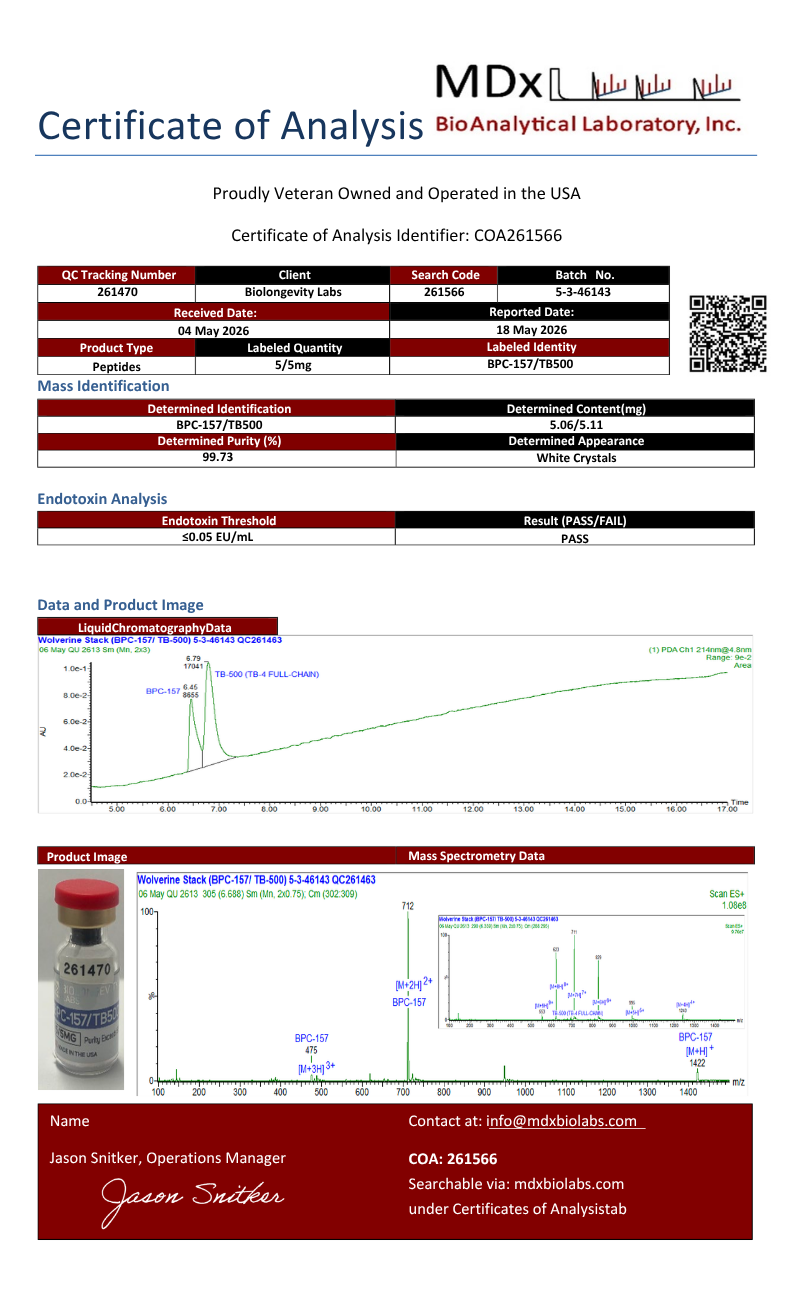
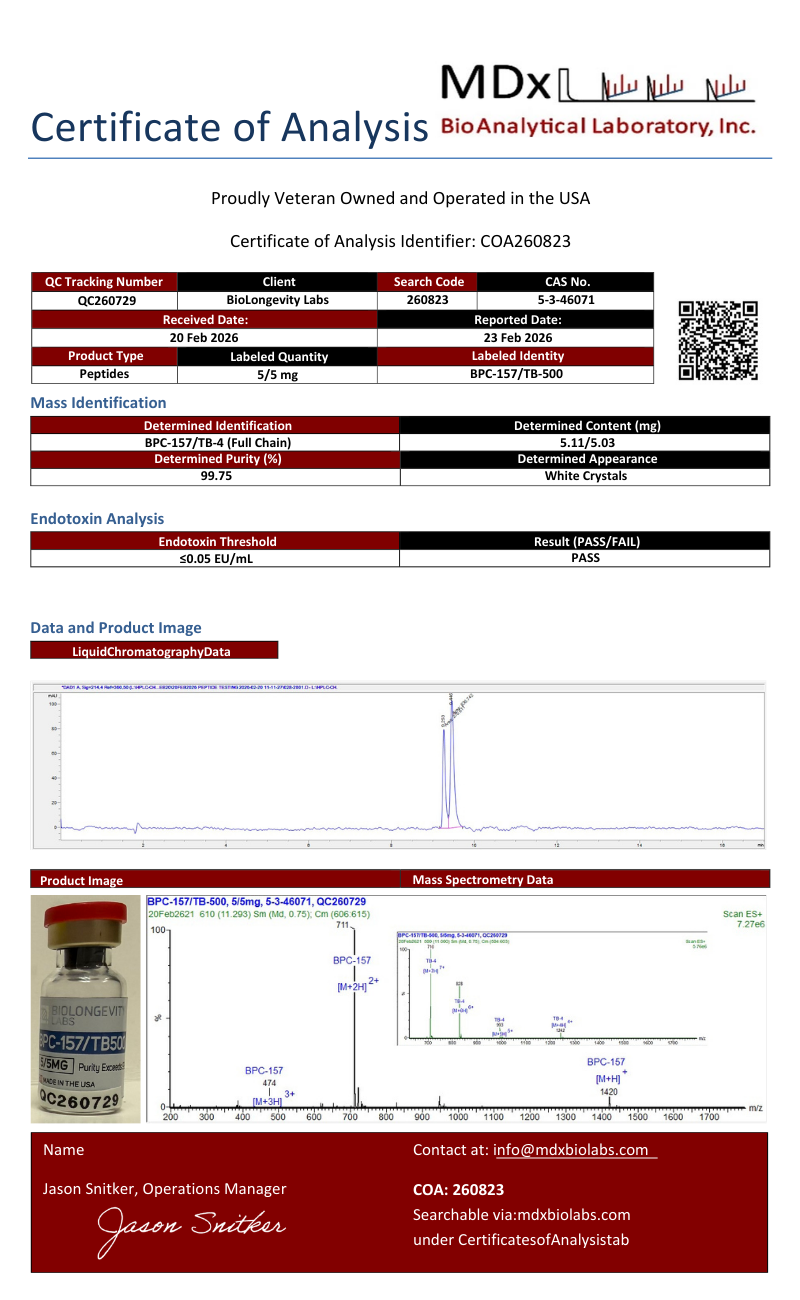
A Certificate of Analysis (COA) is a document that verifies a compound’s identity, purity, and batch quality through independent laboratory testing. Every compound from BioLongevity Labs ships with a COA tied to its specific batch, so researchers can confirm exactly what they received before it enters a protocol.
Each COA reports results from third-party laboratory analysis, including:
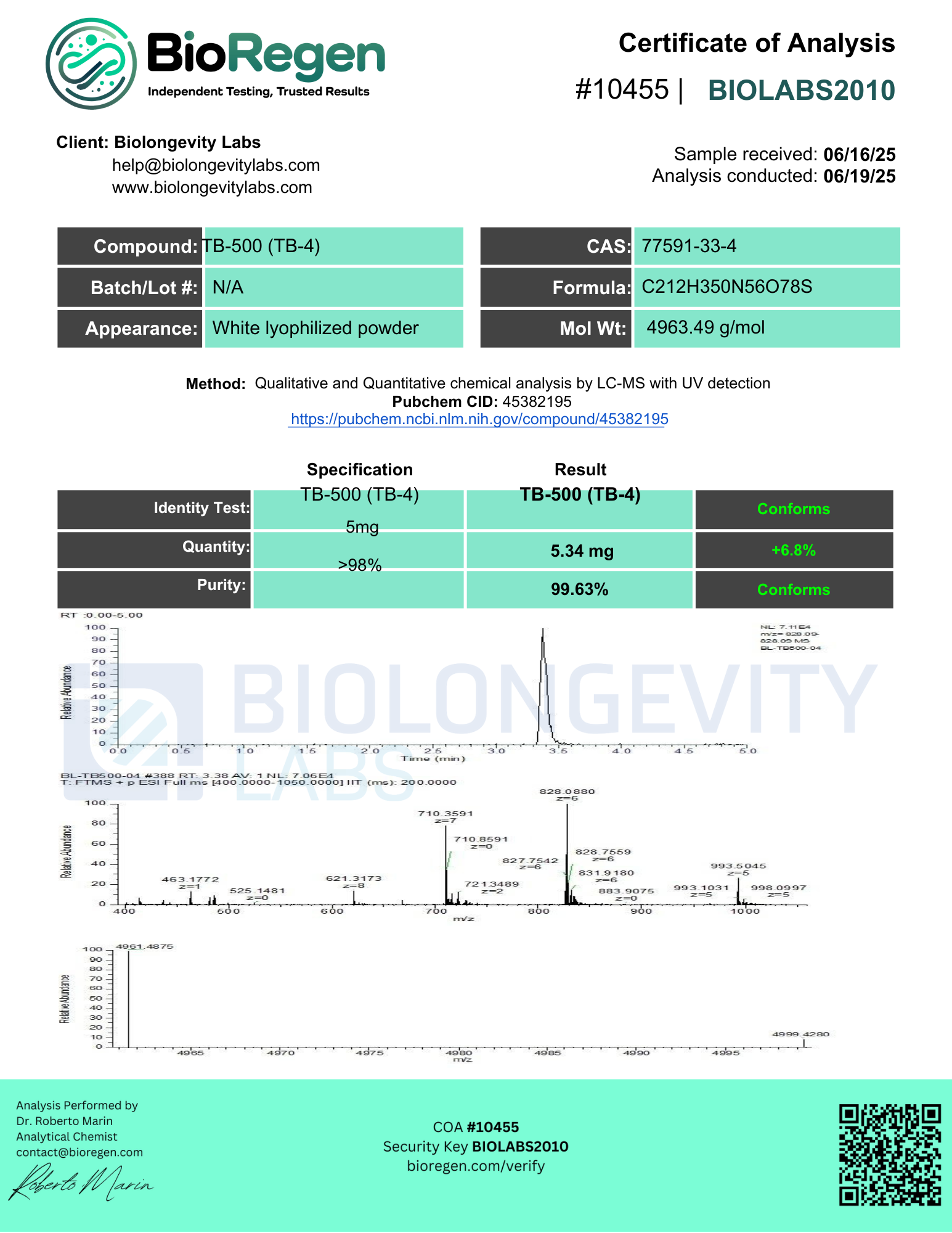
- Ultra-high-performance liquid chromatography with mass spectrometry (UHPLC-MS) for purity, typically confirmed at 99% or higher
- Mass identification for molecular confirmation and content quantitation
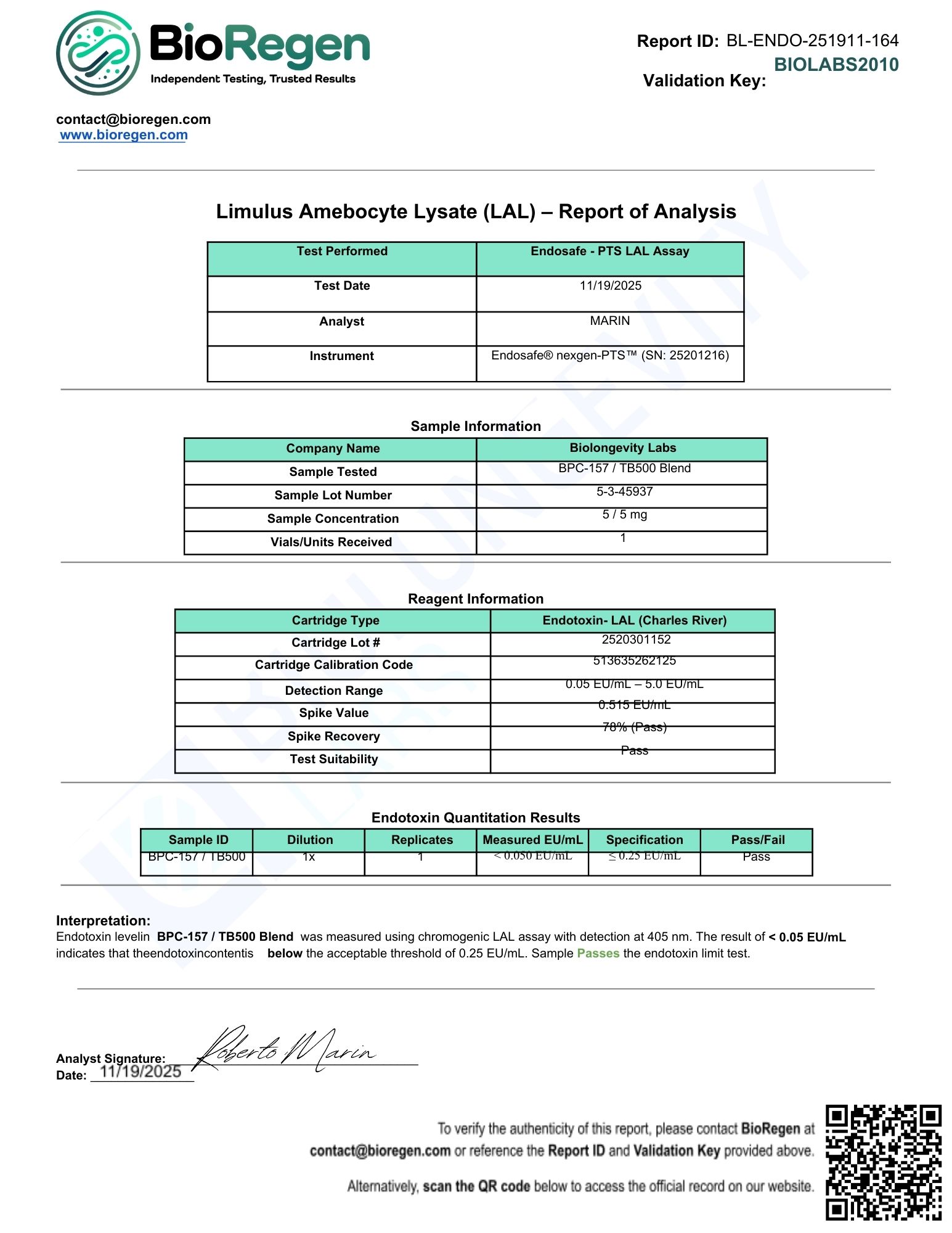
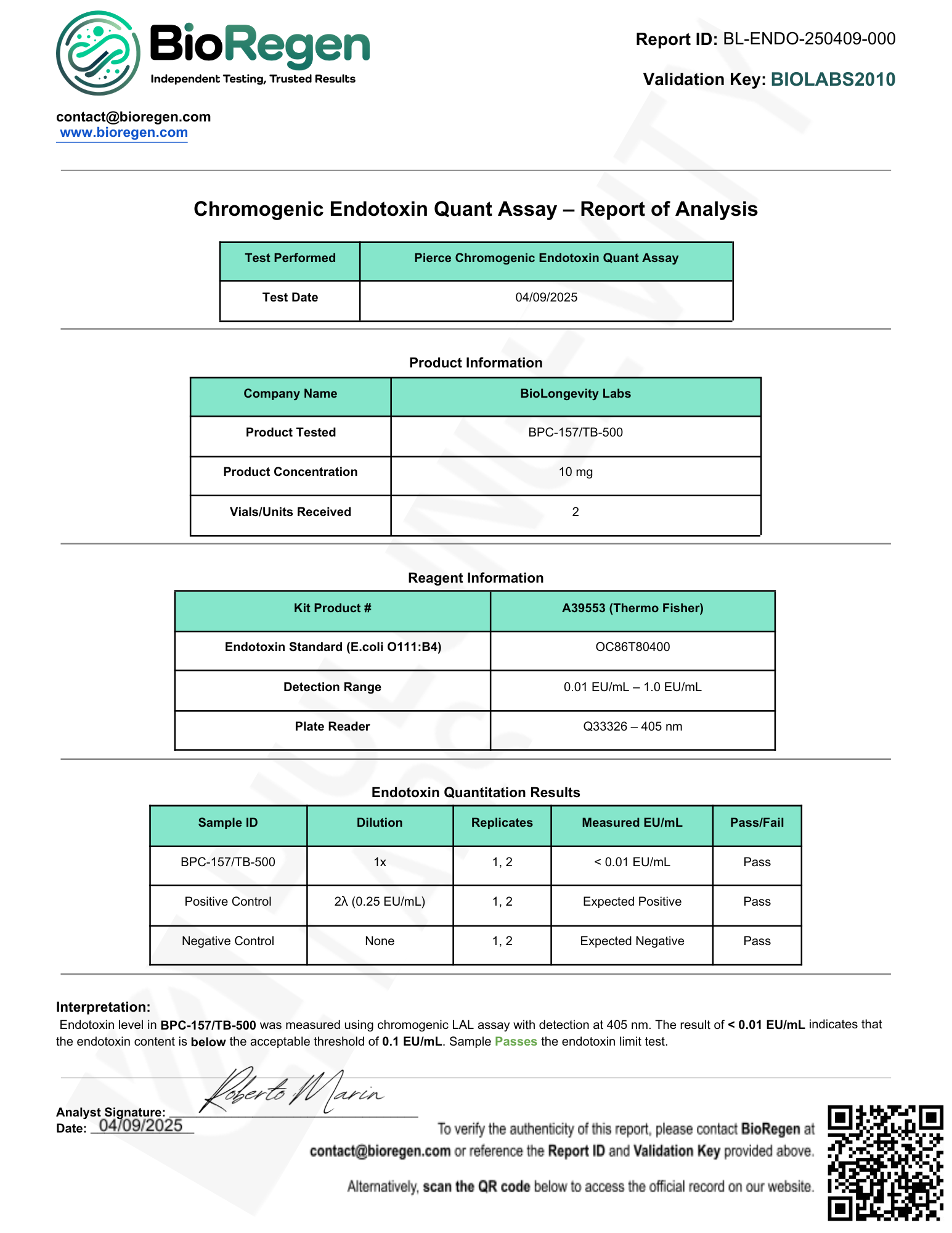
- Endotoxin quantitation by Limulus amebocyte lysate (LAL) assay where applicable
- Visual and physical characterization of the finished material
How to verify a COA independently
Every certificate can be checked against the issuing laboratory’s own records, not just the copy hosted here. Verification does not depend on BioLongevity Labs.
- MDx BioAnalytical Laboratory certificates carry a QC tracking number and a search code. Newer certificates also carry a QR code. Scan the code, or enter the search code at mdxbiolabs.com, to pull the official record.
- BioRegen reports of analysis carry a Report ID and a Validation Key. Scan the QR code on the certificate to open the official record, or reference both identifiers when contacting the laboratory at the address printed on the report.
- SafeCert Labs certificates, which appear on a number of earlier batches, carry a COA number and the signature of the reporting chemist. Reference that number when requesting confirmation from the laboratory directly.
Batches are frequently tested by both laboratories independently. When two certificates exist for the same lot, each one resolves at its own issuing laboratory, which lets a researcher confirm the same material twice through two unrelated sources.
COAs are sourced from independent certified labs rather than in-house testing alone, giving researchers a verifiable record of molecular integrity for each batch. All compounds are supplied for research use only.
Review the COAs for this batch below, or browse the full COA library.
BPC-157/TB500 (261470)
BPC-157 / TB-500 (260823)
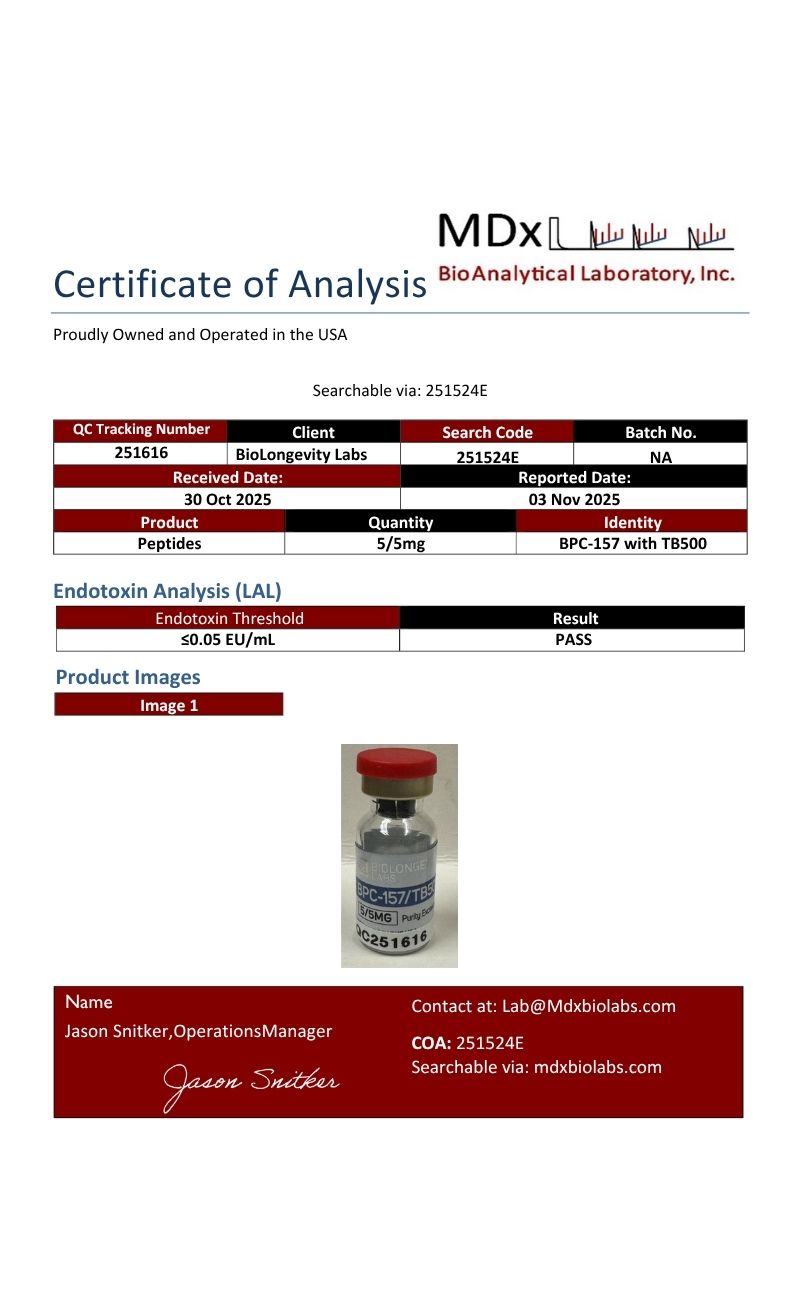
Endotoxin BPC-157/TB500
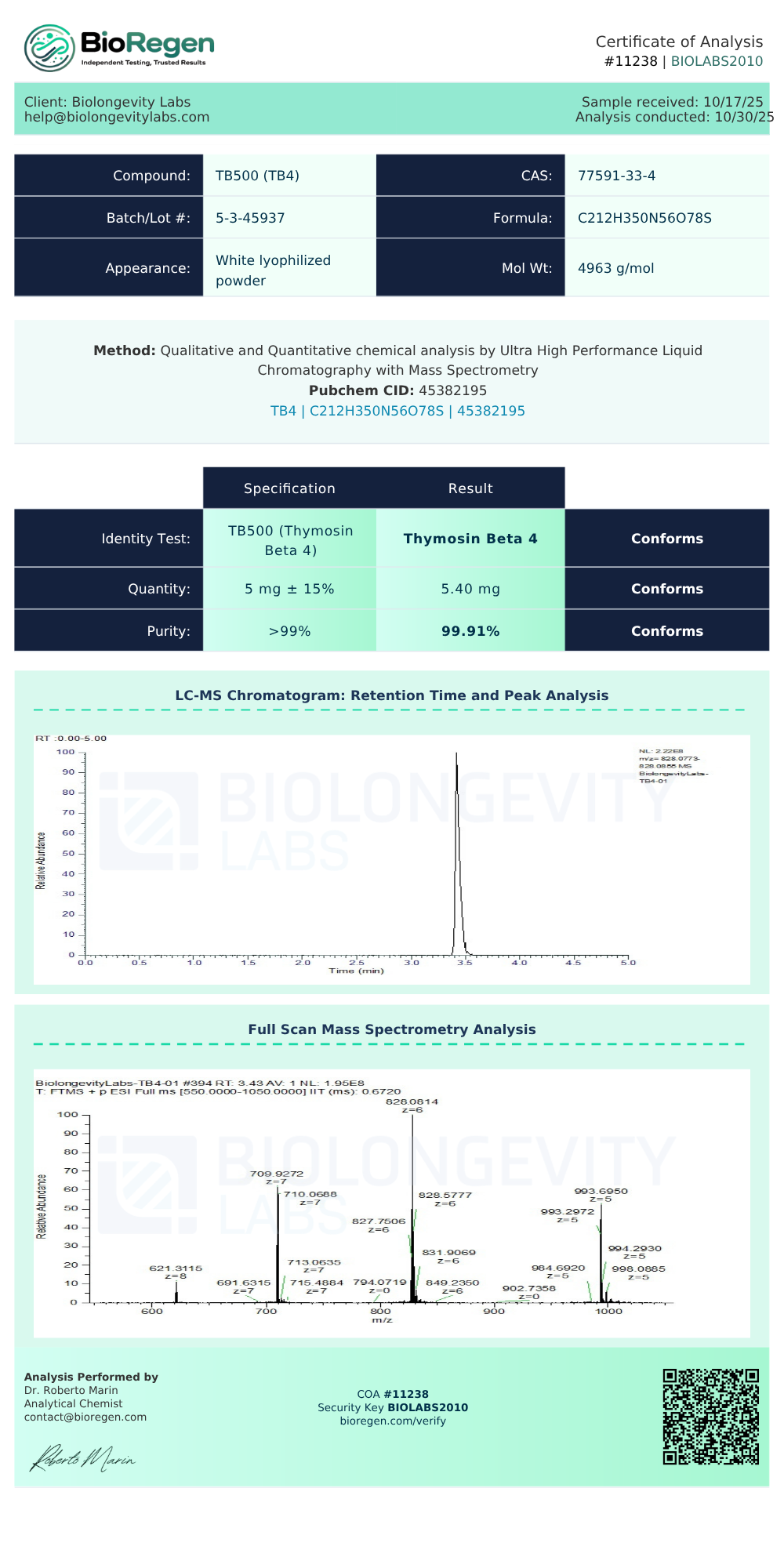
BPC-157/TB-500 (11238)
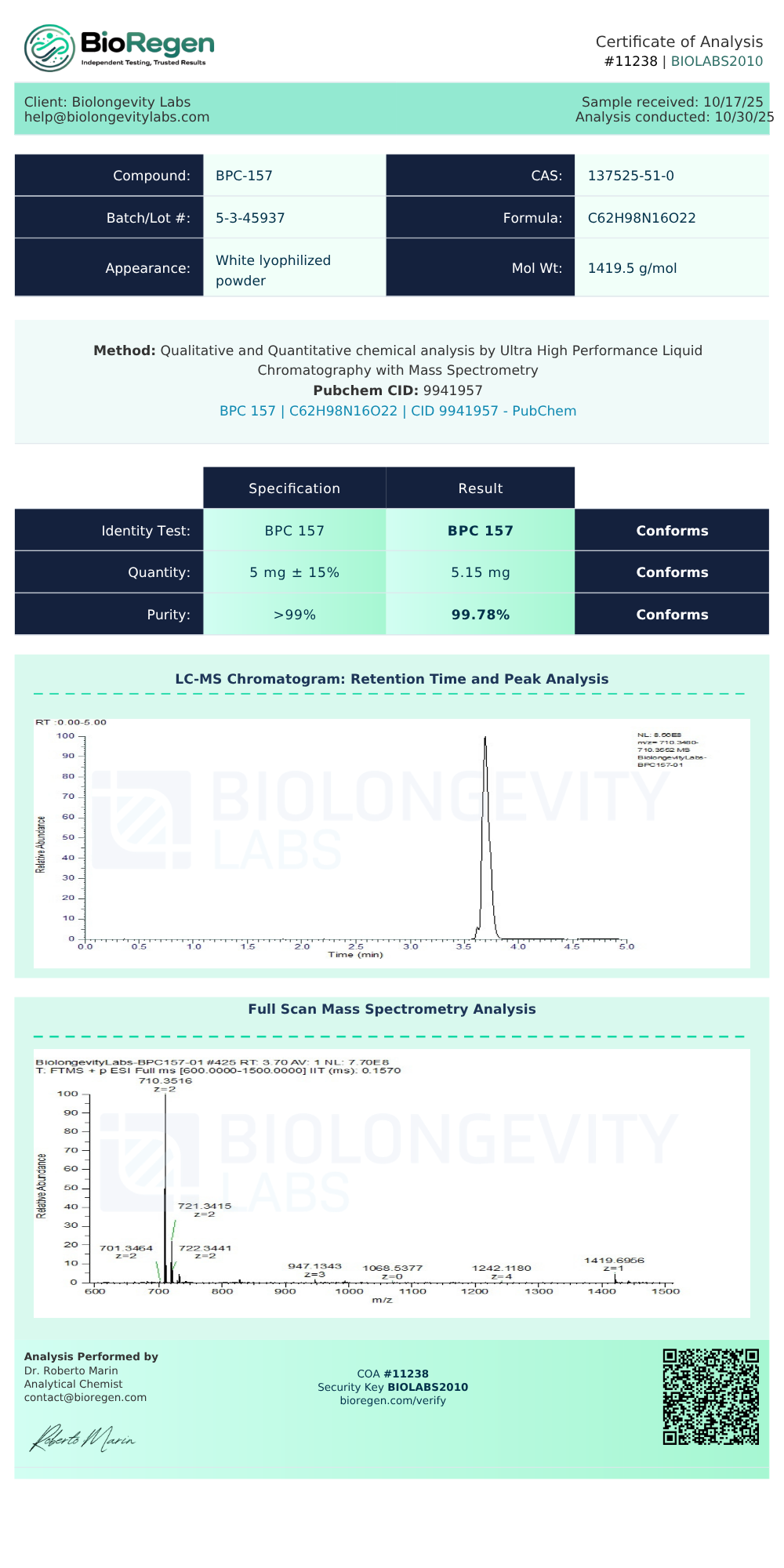
BPC-157/TB-500 (11238)
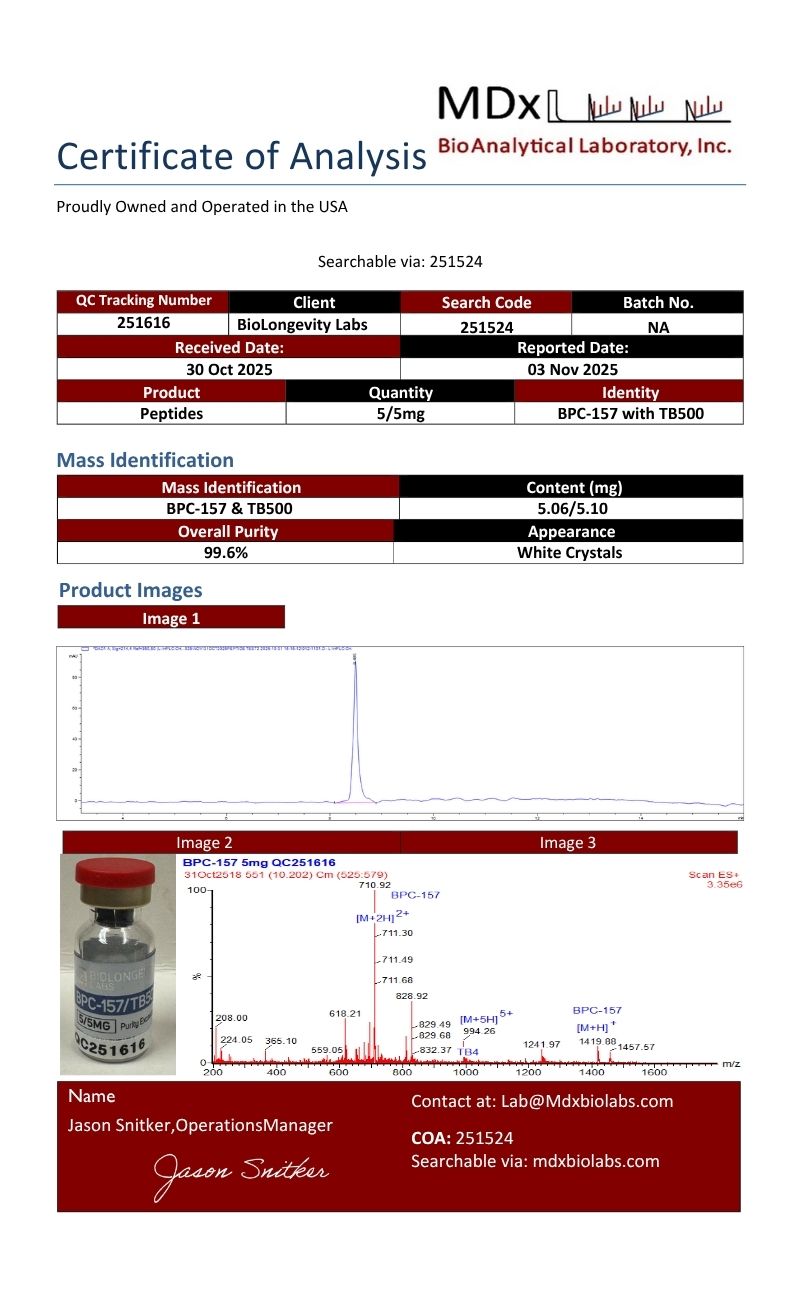
BPC-157 with TB500 (251524)
BPC-157 with TB500 (251524E)
BPC-157/TB500(251430)
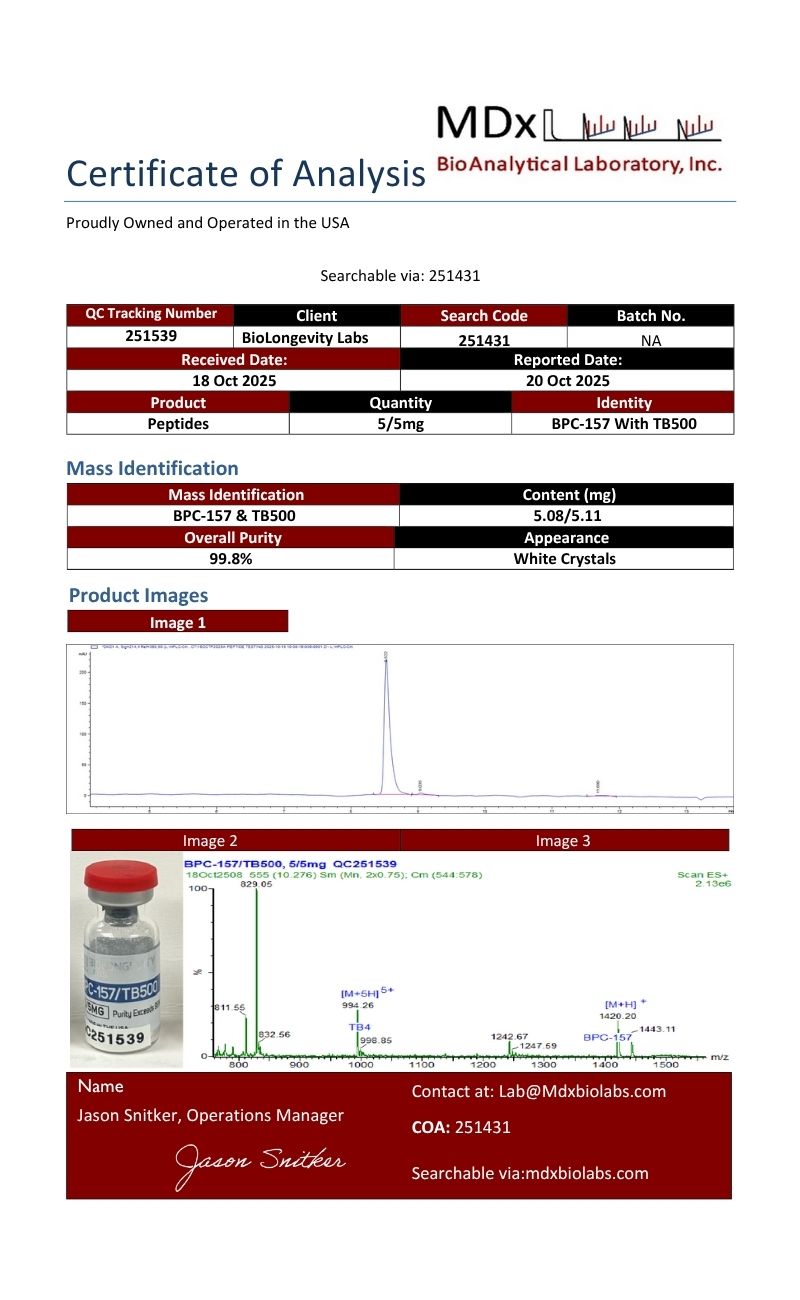
BPC157(10455)
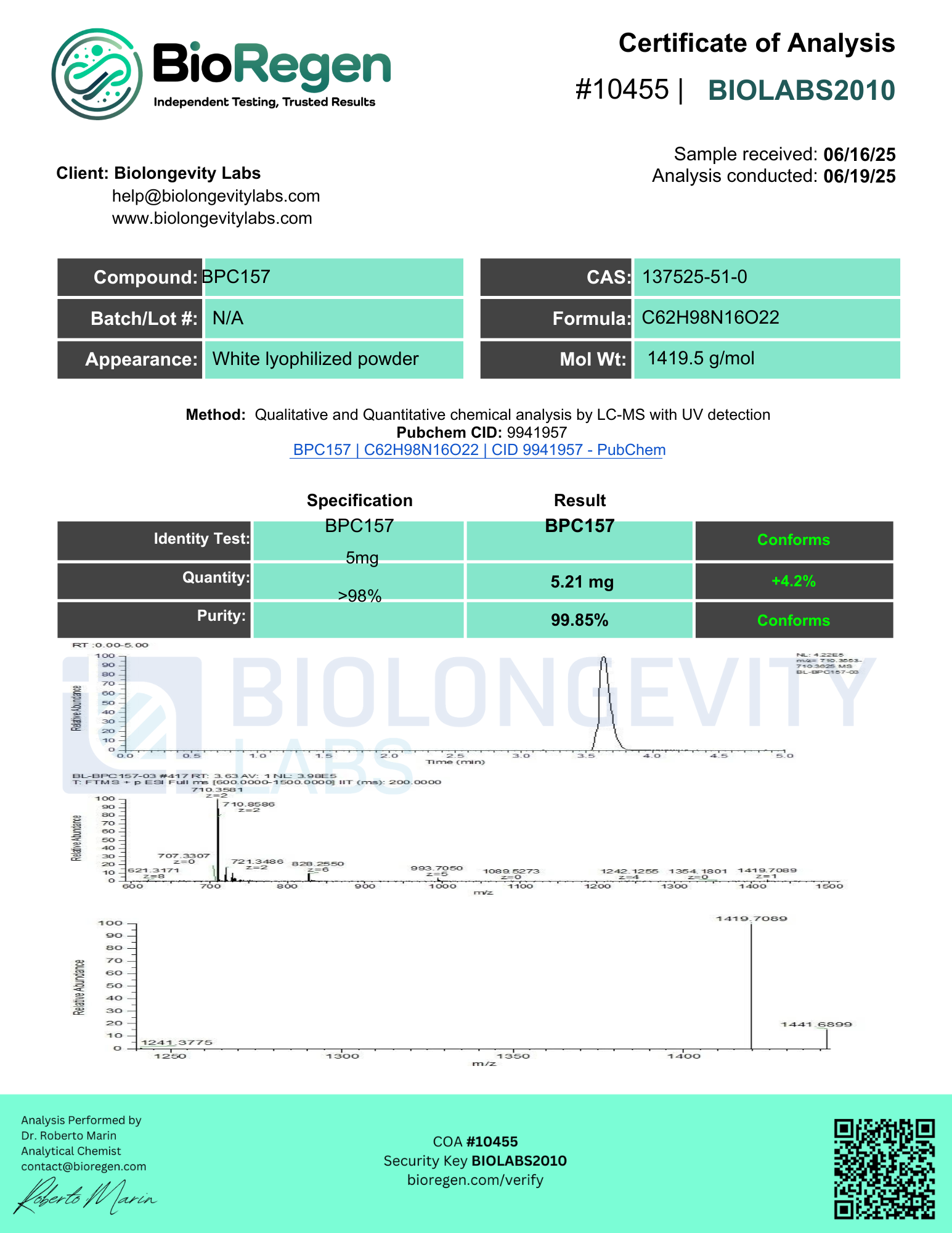
TB500(10455)
BPC-157/TB-500 BL-ENDO-250409-000
×
![]()