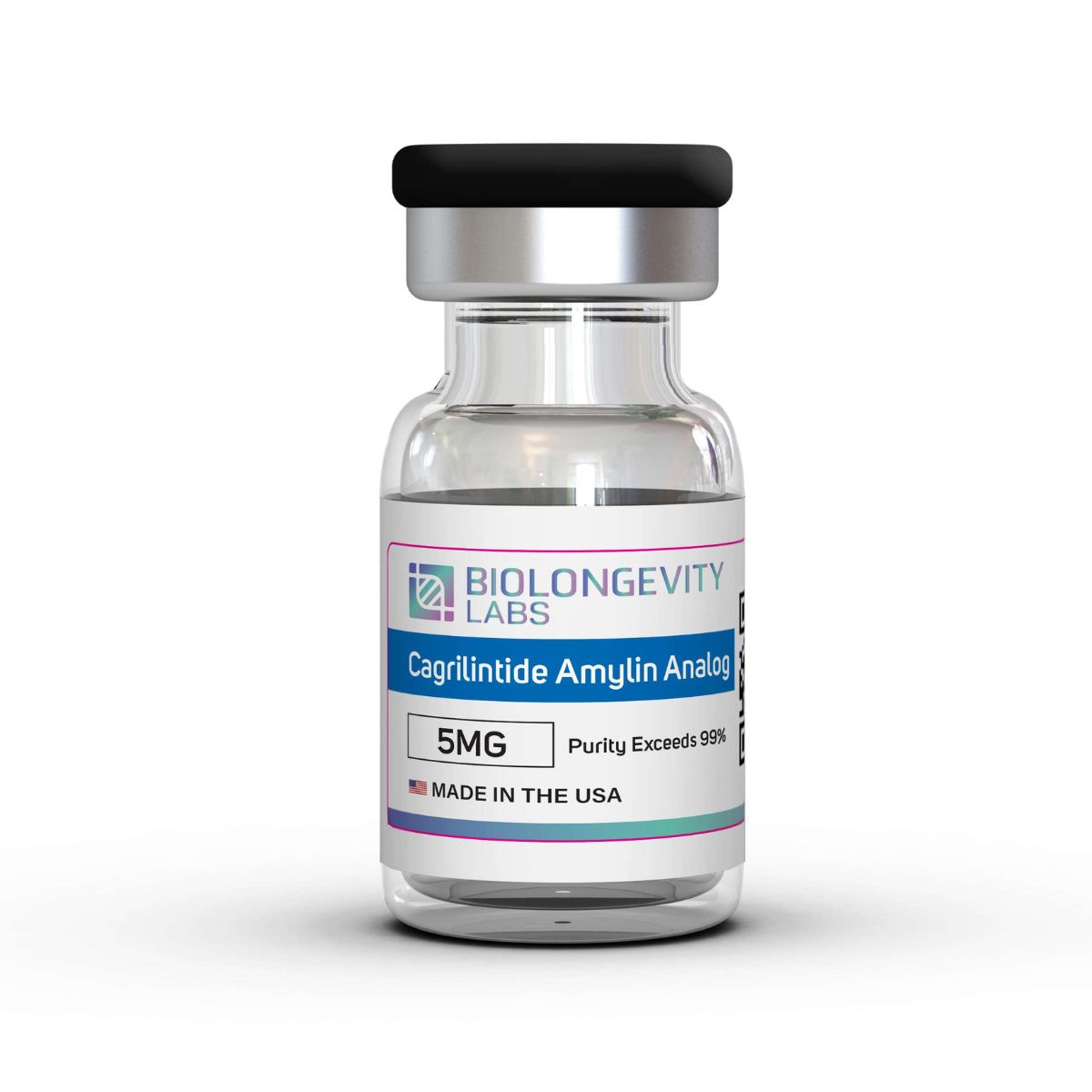
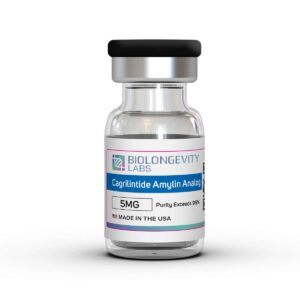
Cagrilintide Description
Cagrilintide is a novel long-acting amylin analog featuring N-terminal lipidation that extends its half-life by binding to albumin. This synthetic peptide mimics and enhances natural amylin’s effects, simultaneously targeting multiple metabolic and appetite regulation pathways in both homeostatic and hedonic systems.
Peptide Information
| Property |
Value |
| Peptide Sequence |
XKCNTATCATQRLAEFLRHSSNNFGPILPPTNVGSNTP |
| Molecular Formula |
C194H312N54O59S2 |
| Molecular Weight |
4409 g/mol |
| CAS Number |
1415456-99-3 |
| PubChem CID |
171397054 |
| Synonyms |
1415456-99-3, Cagrilintide [INN], AO43BIF1U8, LDERDVMBIYGIOI-IZVMHKDJSA-N |
Cagrilintide Peptide Structure

Source: PubChem
Lyophilized Peptides:
Our cagrilintide is provided as a lyophilized (freeze-dried) powder. This process extends shelf life and preserves the purity and integrity of the peptide without the use of any fillers.
Cagrilintide Research
Cagrilintide is a long-acting amylin analogue developed to address the limitations of existing amylin analogues like pramlintide, which have a short half-life. Cagrilintide is designed to be more stable and is lipidated to extend its duration of action. It has shown significant potential in inducing weight loss, both as a standalone treatment and in combination with GLP-1 analogues like semaglutide.
Weight Management and Obesity Efficacy
Clinical trials have demonstrated that cagrilintide effectively reduces body weight in individuals with obesity. In a phase 2 trial, cagrilintide led to greater weight reductions compared to placebo and liraglutide, with the highest dose achieving a mean weight reduction of 10.8%1.
When combined with semaglutide, cagrilintide showed enhanced weight loss and improved glycaemic control in individuals with type 2 diabetes2. A meta-analysis of RCTs also showed that this combination (CagriSema) resulted in significantly greater weight loss compared to semaglutide alone8.
Comparative Studies
Cagrilintide has been compared to other dual amylin and calcitonin receptor agonists (DACRAs) like KBP-336. While both show efficacy in weight loss and glucose control, KBP-336 has demonstrated superior long-term efficacy in preclinical models, suggesting differences in receptor activation balance3.
Combination therapies involving cagrilintide and other agents like tirzepatide have shown promising results in enhancing weight loss and reducing food intake, highlighting the potential for combinatorial approaches in obesity management4.
Cardiovascular Health
Amylin-based therapies, including cagrilintide, are being investigated for their potential cardiovascular benefits, such as vasodilatory, anti-inflammatory, and anti-atherosclerotic effects. These therapies are scrutinized for their impact on blood pressure, lipid profiles, and cardiovascular markers. Amylin analogs may offer innovative approaches to enhance metabolic and cardiovascular health, potentially reducing the global burden of cardiovascular diseases5.
Glycemic Control
Cagrilintide controls hyperglycemia through various actions. In a phase 2 trial of obese patients with type 2 diabetes, CagriSema reduced glycated hemoglobin (HbA1c) levels. At 32 weeks, the reduction in HbA1c levels with CagriSema was statistically superior to cagrilintide alone, but not statistically greater than semaglutide6. Another study combining semaglutide and cagrilintide found that CagriSema improved glycemic control7.
References
- Lau, D., Erichsen, L., Francisco, A., Satylganova, A., Roux, C., McGowan, B., Pedersen, S., Pietiläinen, K., Rubino, D., & Batterham, R. (2021). Once-weekly cagrilintide for weight management in people with overweight and obesity: a multicentre, randomised, double-blind, placebo-controlled and active-controlled, dose-finding phase 2 trial. The Lancet, 398, 2160-2172. https://doi.org/10.1016/S0140-6736(21)01751-7.
- Enebo, L., Berthelsen, K., Kankam, M., Lund, M., Rubino, D., Satylganova, A., & Lau, D. (2021). Safety, tolerability, pharmacokinetics, and pharmacodynamics of concomitant administration of multiple doses of cagrilintide with semaglutide 2·4 mg for weight management: a randomised, controlled, phase 1b trial. The Lancet, 397, 1736-1748. https://doi.org/10.1016/S0140-6736(21)00845-X.
- Larsen, A., Mohamed, K., Sonne, N., Bredtoft, E., Andersen, F., Karsdal, M., & Henriksen, K. (2022). Does receptor balance matter? – Comparing the efficacies of the dual amylin and calcitonin receptor agonists cagrilintide and KBP-336 on metabolic parameters in preclinical models.. Biomedicine & pharmacotherapy = Biomedecine & pharmacotherapie, 156, 113842 . https://doi.org/10.1016/j.biopha.2022.113842.
- Valdecantos, P., Rada, P., Ghosh, S., Rondinone, C., & Valverde, A. (2024). 300-OR: Beneficial Effect of the Combination Therapy of Cagrilintide, a Dual Amylin/Calcitonin Agonist, and Tirzepatide, a Dual GLP-1/GIP Agonist, on Body Weight Loss in Obese Rats. Diabetes. https://doi.org/10.2337/db24-300-or.
- Badshah I. Unlocking the Potential: Amylin-Based Therapies as Novel Interventions for Addressing the Nexus of Obesity and Cardiovascular Health. J Endo Metabol Res. 2024;5(1):19-35. https://doi.org/10.37191/Mapsci-2582-7960-5(1)-036
- Mikhail, N. (2023). Cagrilintide Combined with Semaglutide: a new Approach for Treatment of Obesity and type 2 Diabetes. Clinical Research and clinical Trials. https://doi.org/10.31579/2693-4779/154.
- Frias, J.P., Deenadayalan, S., Erichsen, L., Knop, F.K., Lingvay, I., Macura, S., Mathieu, C., Pedersen, S.D., & Davies, M.J. (2023). 53-OR: Efficacy and Safety of Coadministered s.c. Semaglutide and s.c. Cagrilintide in Type 2 Diabetes. Diabetes. https://doi.org/10.2337/db23-53-OR.
- Dutta, D., Nagendra, L., Harish, B., Sharma, M., Joshi, A., Hathur, B., & Kamrul-Hasan, A. (2024). Efficacy and Safety of Cagrilintide Alone and in Combination with Semaglutide (Cagrisema) as Anti-Obesity Medications: A Systematic Review and Meta-Analysis. Indian Journal of Endocrinology and Metabolism, 28, 436 – 444. https://doi.org/10.4103/ijem.ijem_45_24.
Certificate of Analysis (COA) for Every Batch
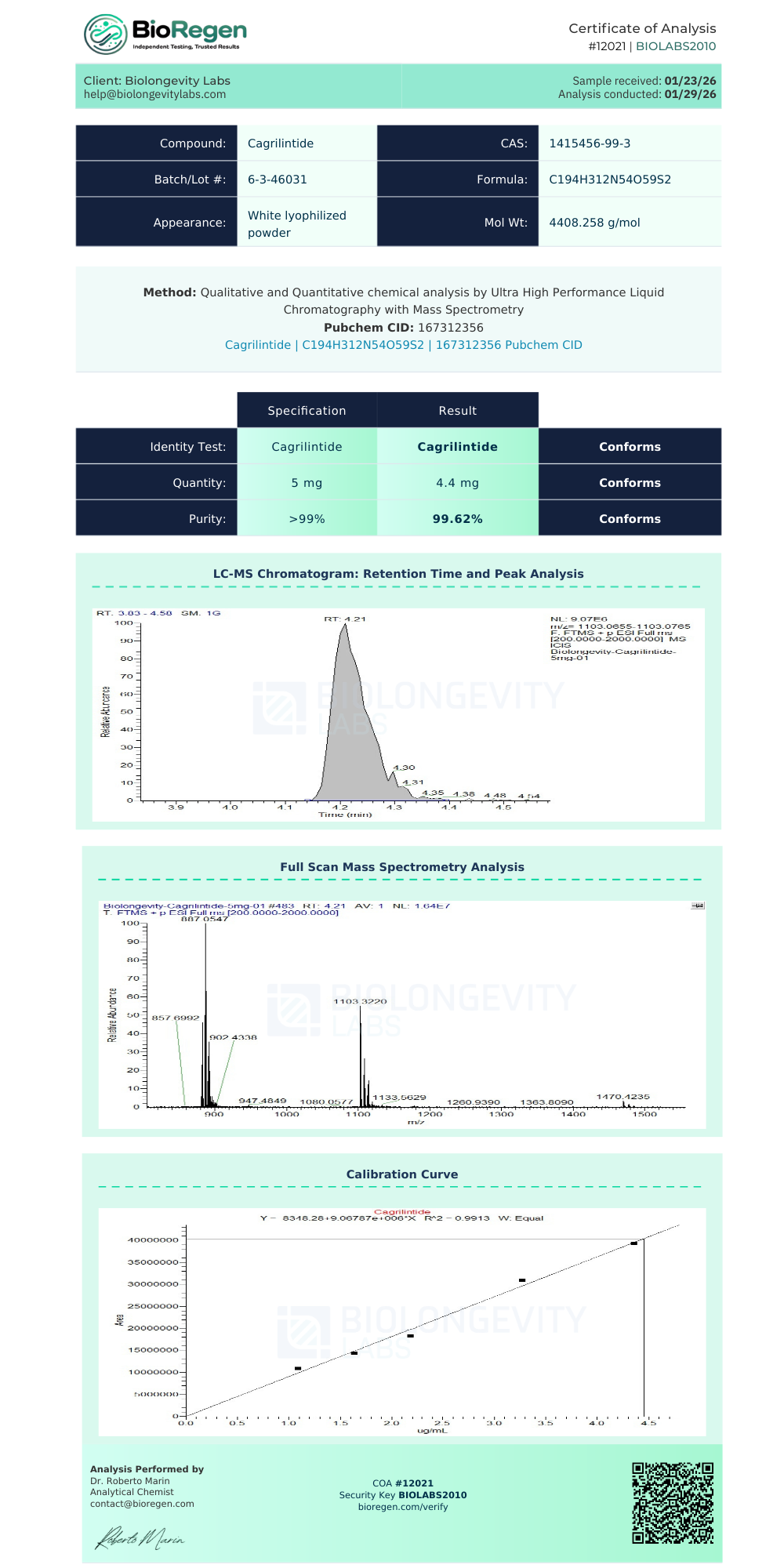
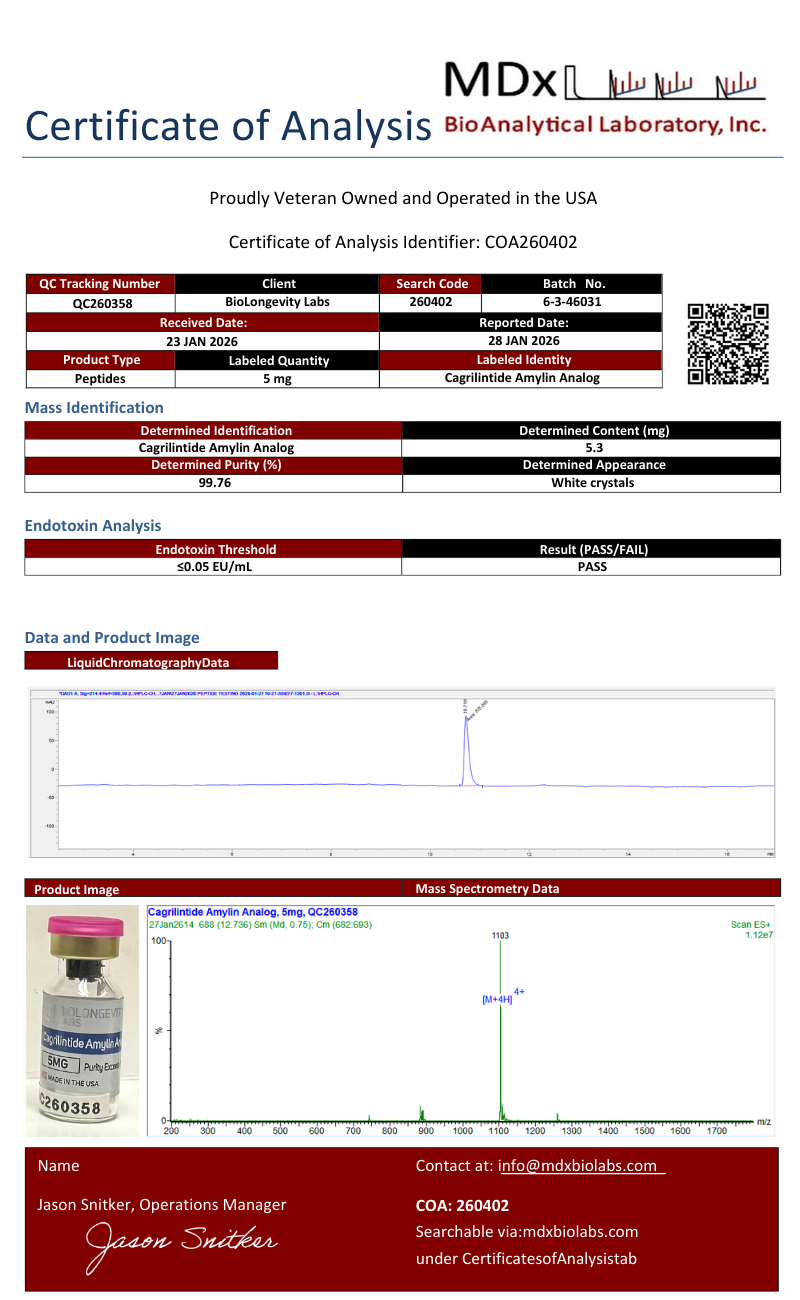
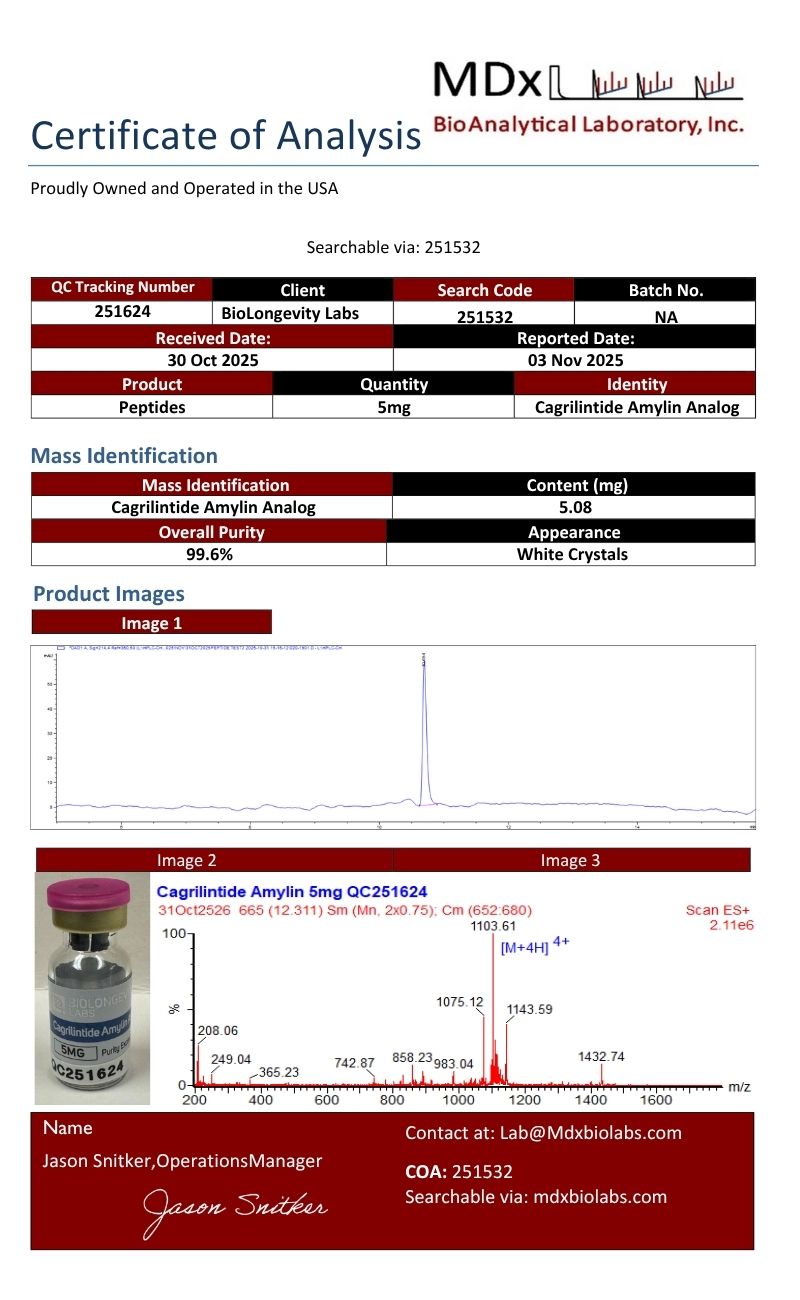
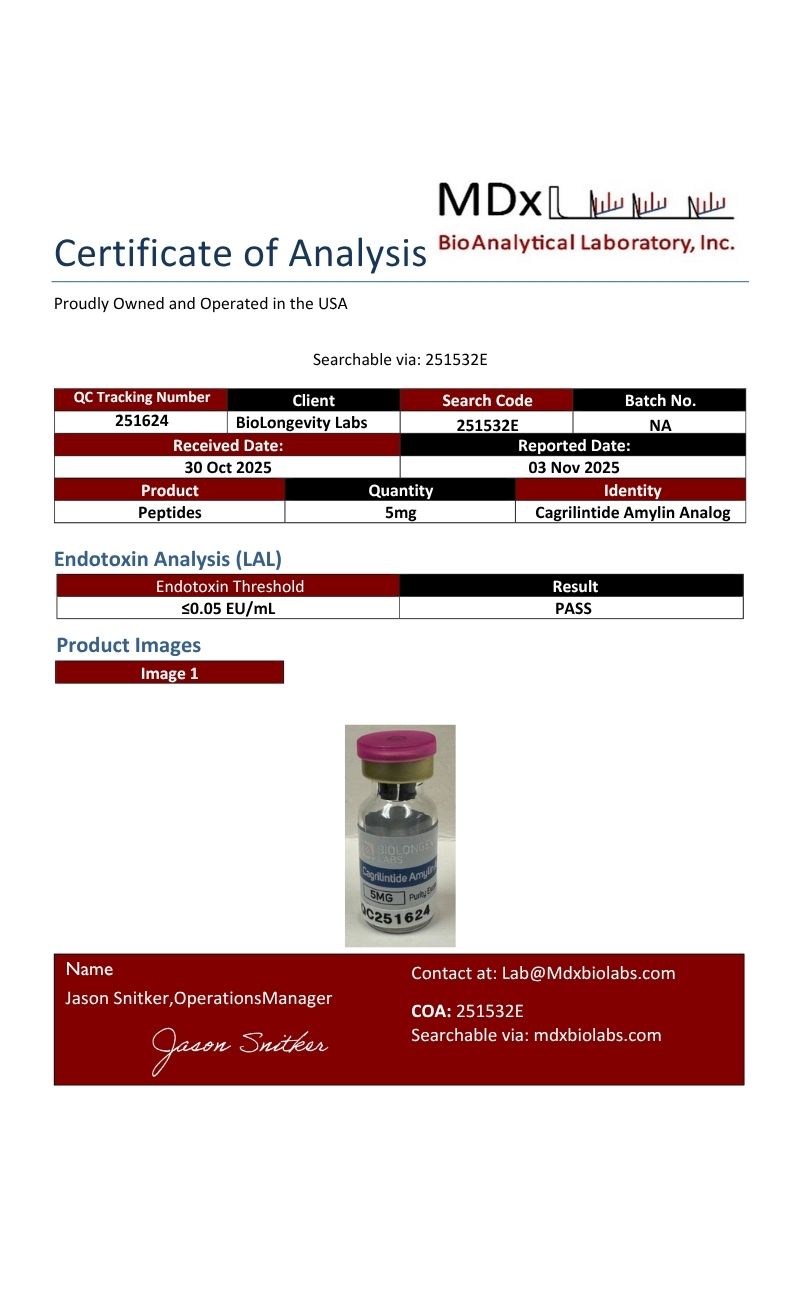
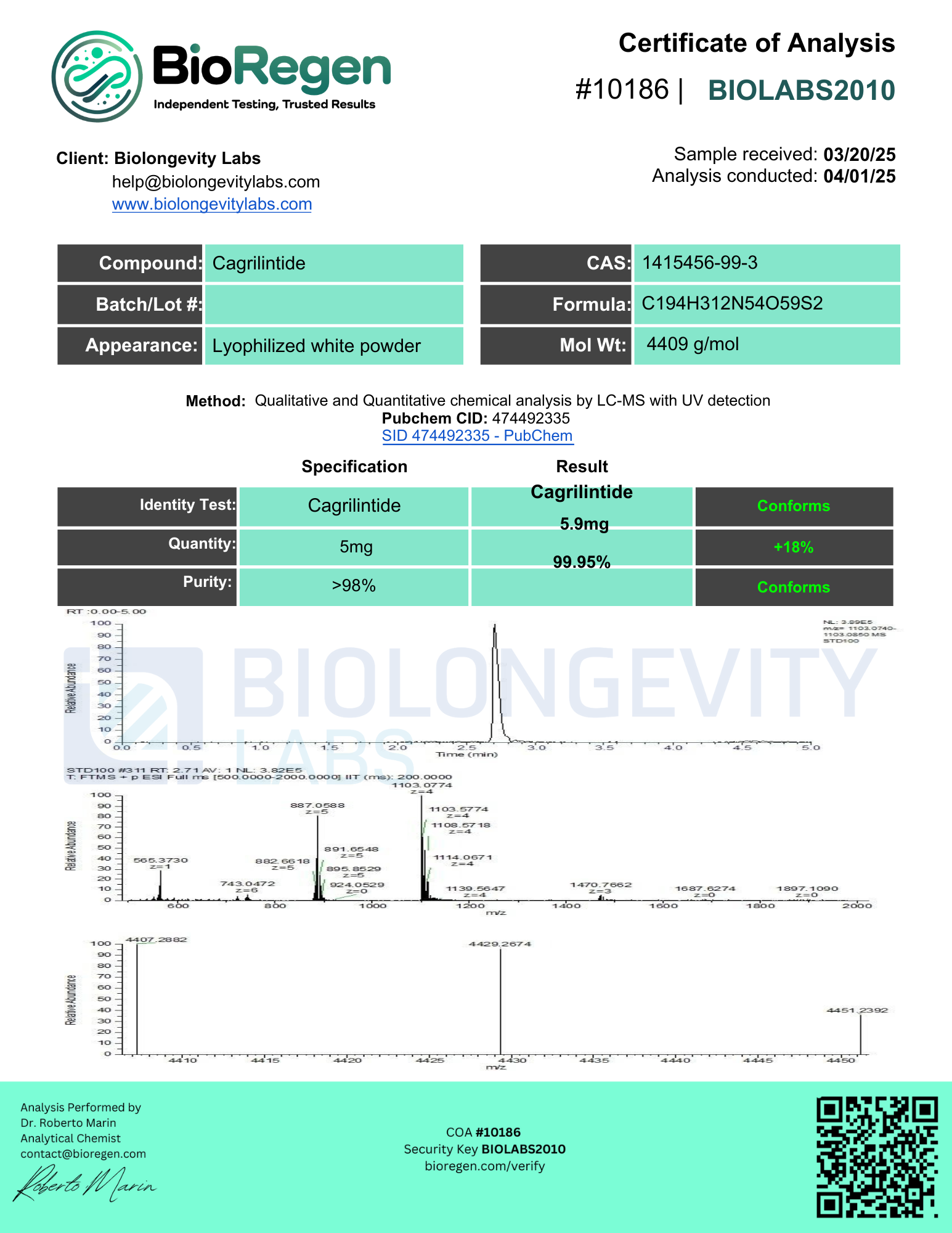
A Certificate of Analysis (COA) is a document that verifies a compound’s identity, purity, and batch quality through independent laboratory testing. Every compound from BioLongevity Labs ships with a COA tied to its specific batch, so researchers can confirm exactly what they received before it enters a protocol.
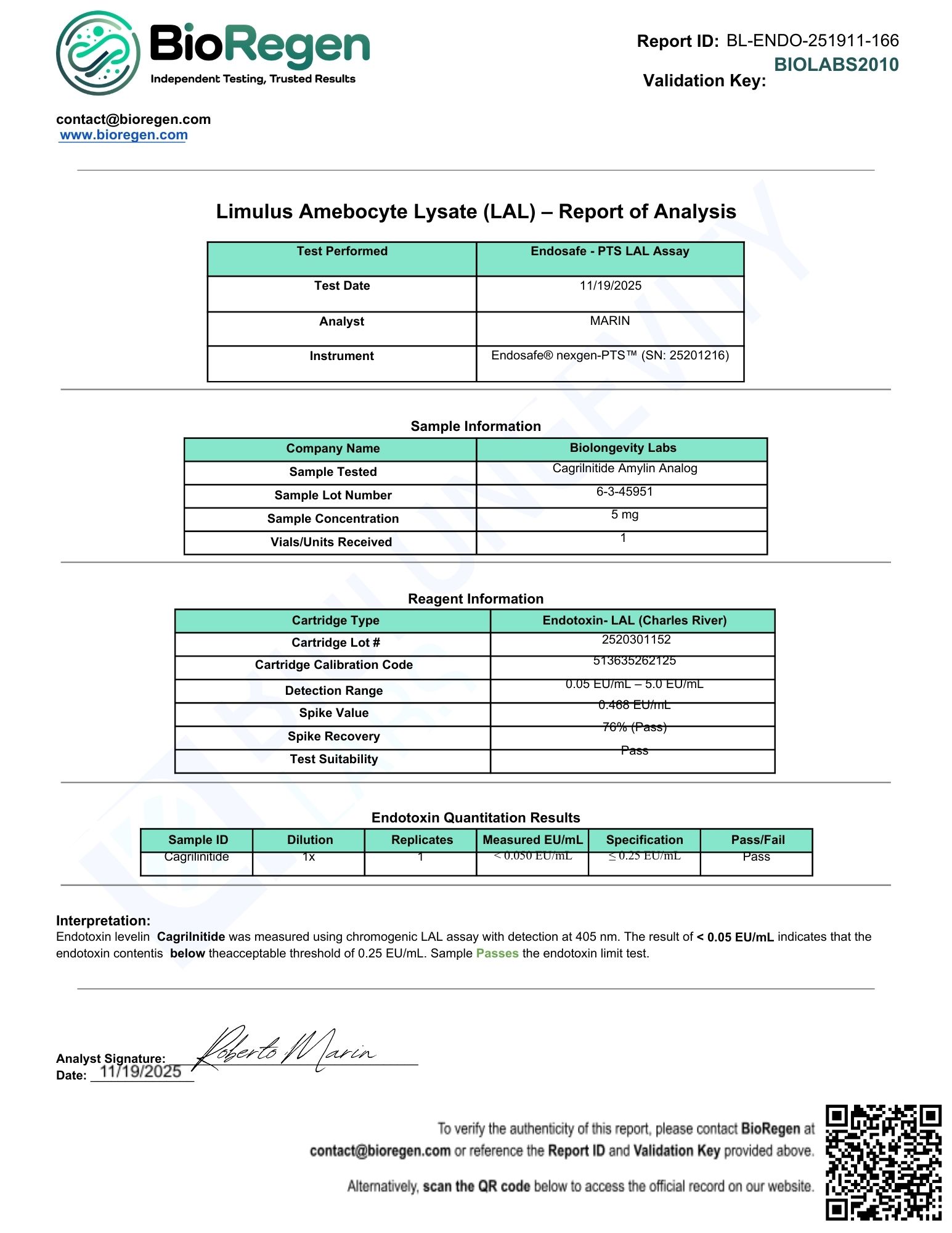
Each COA reports results from third-party laboratory analysis, including:
- Ultra-high-performance liquid chromatography with mass spectrometry (UHPLC-MS) for purity, typically confirmed at 99% or higher
- Mass identification for molecular confirmation and content quantitation
- Endotoxin quantitation by Limulus amebocyte lysate (LAL) assay where applicable
- Visual and physical characterization of the finished material
How to verify a COA independently
Every certificate can be checked against the issuing laboratory’s own records, not just the copy hosted here. Verification does not depend on BioLongevity Labs.
- MDx BioAnalytical Laboratory certificates carry a QC tracking number and a search code. Newer certificates also carry a QR code. Scan the code, or enter the search code at mdxbiolabs.com, to pull the official record.
- BioRegen reports of analysis carry a Report ID and a Validation Key. Scan the QR code on the certificate to open the official record, or reference both identifiers when contacting the laboratory at the address printed on the report.
- SafeCert Labs certificates, which appear on a number of earlier batches, carry a COA number and the signature of the reporting chemist. Reference that number when requesting confirmation from the laboratory directly.
Batches are frequently tested by both laboratories independently. When two certificates exist for the same lot, each one resolves at its own issuing laboratory, which lets a researcher confirm the same material twice through two unrelated sources.
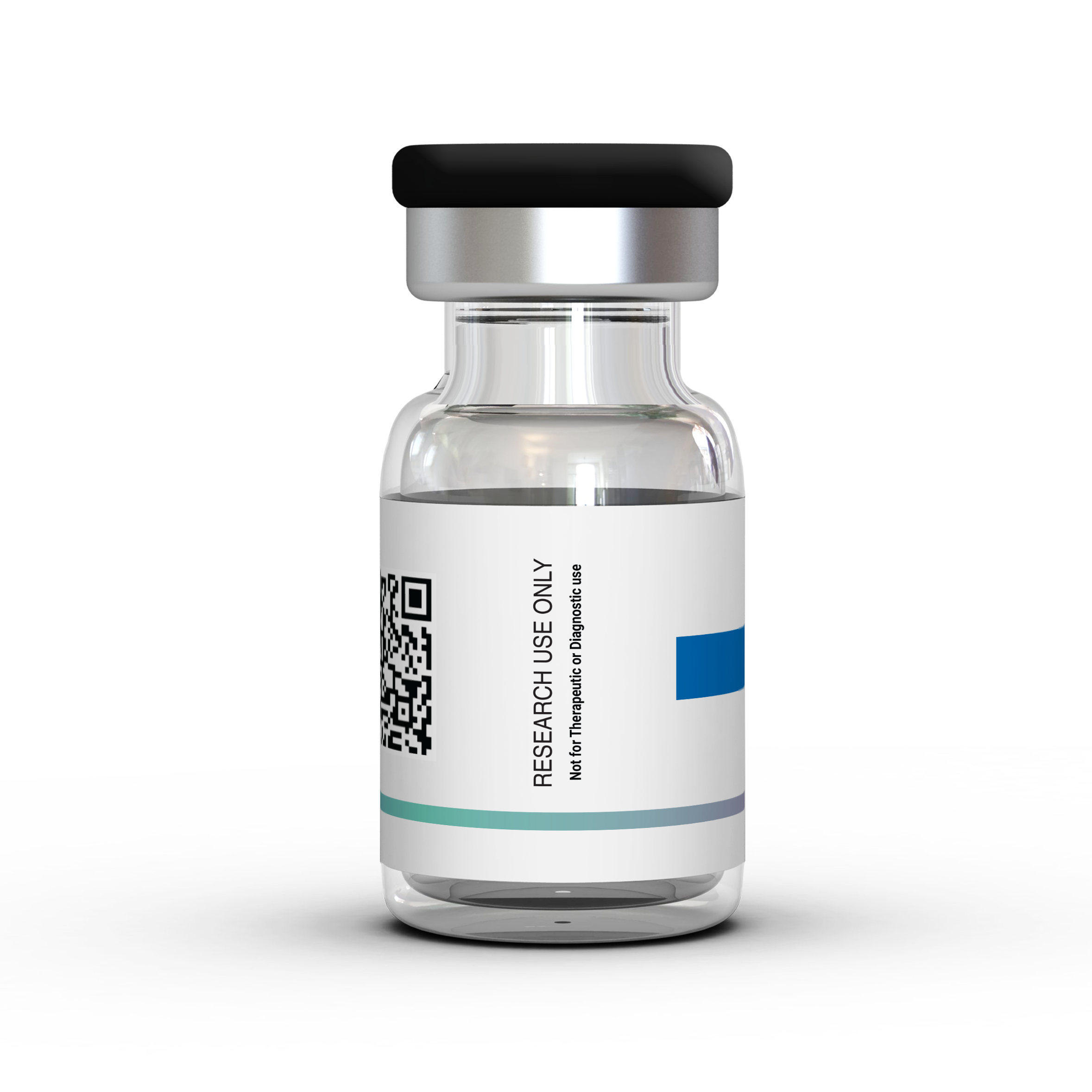
COAs are sourced from independent certified labs rather than in-house testing alone, giving researchers a verifiable record of molecular integrity for each batch. All compounds are supplied for research use only.
Review the COAs for this batch below, or browse the full COA library.
Cagrilintide (12021)
Cagrilintide Amylin Analog (260402)
Endotoxin Cagrilintide Amylin Analog
Cagrilintide Amylin Analog (251532)
Cagrilintide Amylin Analog (251532E)
Cagrilintide(10186)
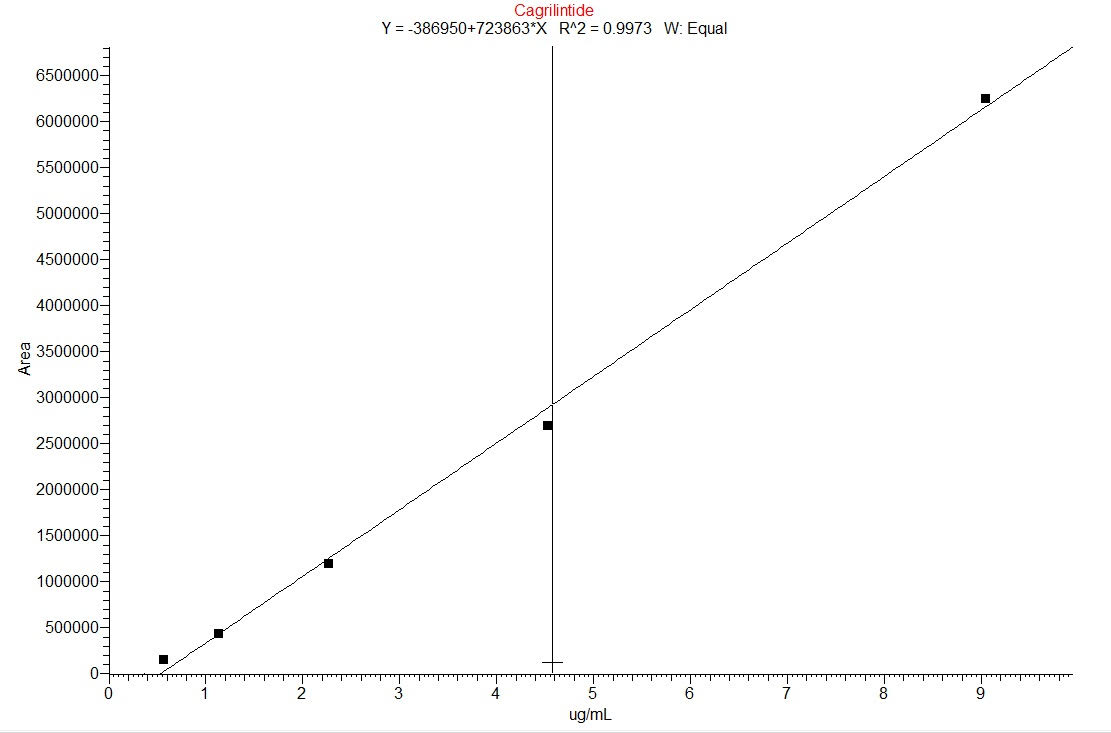
Cagrilintide Standard Curve
×
![]()