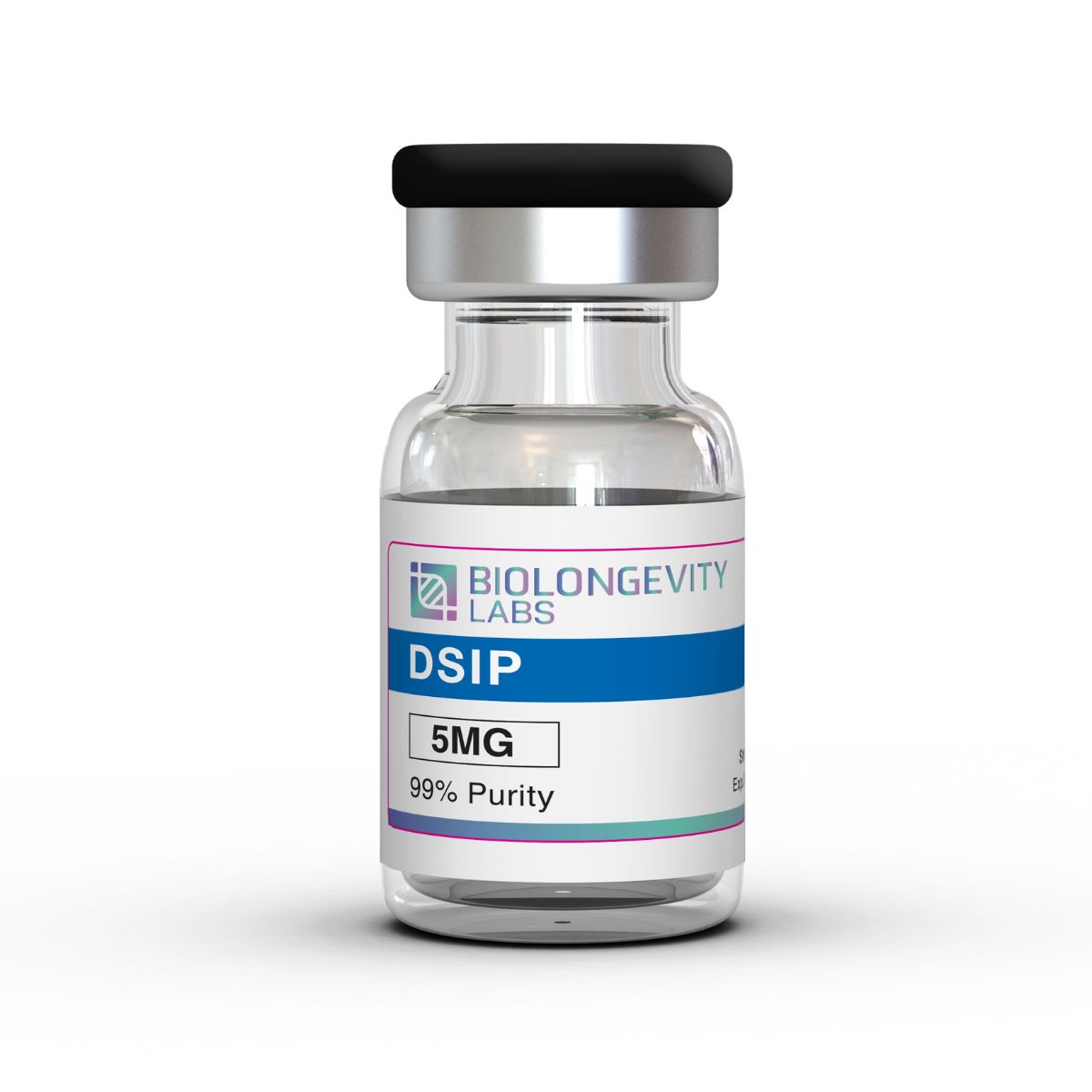
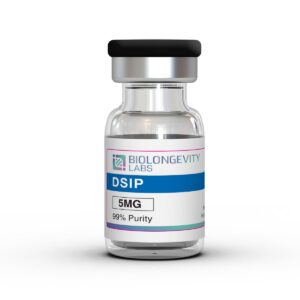
Delta Sleep-Inducing Peptide (DSIP) Product Description
Delta sleep-inducing peptide (DSIP) is a natural neuropeptide consisting of nine amino acids that was first isolated from rabbits in the 1970s. Named for its ability to promote slow-wave (delta) sleep in experimental animals, DSIP has been studied for its roles in sleep regulation, stress response, and pain modulation.
Despite its name, research suggests DSIP has broader functions beyond sleep induction, potentially affecting neuroendocrine regulation and immune function. It has been investigated as a potential therapeutic for insomnia, depression, and pain conditions. DSIP’s precise physiological role and mechanism of action continue to be subjects of ongoing research.
Peptide Information
| Property |
Value |
| Peptide Sequence |
Trp-Ala-Gly-Gly-Asp-Ala-Ser-Gly-Glu |
| Molecular Formula |
C35H48N10O15 |
| Molecular Weight |
848.8 g/mol |
| CAS Number |
62568-57-4 |
| PubChem CID |
68816 |
| Synonyms |
Emideltide, 62568-57-4, DELTA SLEEP INDUCING PEPTIDE, DSIP nonapeptide |
DSIP Structure
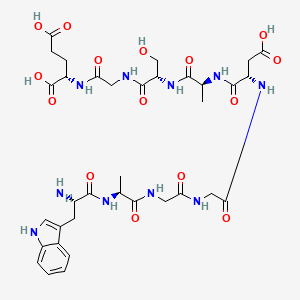
Source: PubChem
Lyophilized Peptides:
These peptides are freeze-dried, a process that not only extends shelf life but also preserves the purity and integrity of the peptides during storage. We do not use any fillers in this process.
DSIP Research
Delta sleep-inducing peptide (DSIP) is a neuropeptide consisting of nine amino acids (Trp-Ala-Gly-Gly-Asp-Ala-Ser-Gly-Glu) that was first isolated from the cerebral venous blood of rabbits during sleep in the 1970s.
As its name suggests, DSIP was initially identified for its apparent ability to promote slow-wave (delta) sleep, which is the deepest stage of non-REM sleep. Subsequent research has revealed its effects may be more complex and potentially extend beyond sleep regulation.
DSIP has been studied for various potential physiological roles, including:
- Stress response and adaptation
- Pain modulation
- Immune system regulation
- Antioxidant properties
- Effects on endocrine function
DSIP has been investigated for potential applications in sleep disorders, pain management, and substance withdrawal syndromes.
DSIP and Sleep Regulation
DSIP is known for its ability to induce delta sleep, a type of non-REM sleep characterized by slow-wave EEG patterns. It has been shown to promote sleep in several species, including rabbits, rats, mice, and humans, with varying effects on REM sleep in cats1.
DSIP has been shown to influence neurotransmitter levels, including serotonin (5-HT), glutamate, dopamine, and melatonin, which are crucial for sleep regulation2. It also affects electrophysiological activity, circadian rhythms, and hormonal levels, indicating its broad impact on physiological processes3.
DSIP promotes sleep in a species-specific manner, with varying effects on different types of sleep across species. In clinical trials, DSIP has been shown to normalize disturbed sleep and improve alertness and performance during wakefulness4.
Despite its known effects, the physiological role of DSIP remains unclear, partly due to the lack of identification of its gene and receptor. The existence of DSIP-like peptides with similar biological activity has been hypothesized5.
DSIP and Pain Management
In clinical studies, DSIP administration resulted in a notable reduction in pain levels among patients with various pain syndromes, including migraines, vasomotor headaches, chronic tinnitus, and psychogenic pain attacks6. The peptide not only reduced pain severity but also decreased the duration and frequency of pain episodes, suggesting its potential as a therapeutic agent for chronic pain management7.
DSIP also influences circadian rhythms related to pain perception. In studies with rats, DSIP administration altered the circadian pain threshold, increasing it during both light and dark periods. This effect was not sensitive to naloxone, indicating a distinct mechanism from its opioid-mediated antinociceptive effects8.
DSIP and Withdrawal Symptoms
DSIP has shown promising results in treating withdrawal symptoms in both alcohol and opiate addicts. In a study involving 67 patients, DSIP treatment resulted in a beneficial effect in 48 out of 49 evaluable patients. The treatment led to an immediate and lasting suspension of somatic symptoms, with anxiety resolving more slowly9.
Another study with 107 inpatients reported that DSIP treatment led to a marked and rapid improvement in clinical symptoms for 97% of opiate addicts and 87% of alcohol addicts, although anxiety decreased more slowly10.
References
- Pollard, B., & Pomfrett, C. (2001). Delta sleep-inducing peptide.. European journal of anaesthesiology, 18 7, 419-22 . https://doi.org/10.1046/J.1365-2346.2001.00917.X.
- Mu, X., Qu, L., Yin, L., Wang, L., Liu, X., & Liu, D. (2024). Pichia pastoris secreted peptides crossing the blood-brain barrier and DSIP fusion peptide efficacy in PCPA-induced insomnia mouse models. Frontiers in Pharmacology, 15. https://doi.org/10.3389/fphar.2024.1439536.
- Graf, M., & Kastin, A. (1986). Delta-sleep-inducing peptide (DSIP): An update. Peptides, 7, 1165-1187. https://doi.org/10.1016/0196-9781(86)90148-8.
- Schneider-Helmert, D., & Schoenenberger, G. (1983). Effects of DSIP in man. Multifunctional psychophysiological properties besides induction of natural sleep.. Neuropsychobiology, 9 4, 197-206 . https://doi.org/10.1159/000117964.
- Kovalzon, V., & Strekalova, T. (2006). Delta sleep‐inducing peptide (DSIP): a still unresolved riddle. Journal of Neurochemistry, 97. https://doi.org/10.1111/j.1471-4159.2006.03693.x.
- Larbig, W., Gerber, W., & Schoenenberger, G. (1987). Peptidergic Pain Reducing Effects Of The Delta-Sleep-Inducing Peptide (Dsip) In Headache And Other Pain Syndroms. Cephalalgia, 7, 46 – 48. https://doi.org/10.1177/03331024870070S614.
- Larbig, W., Gerber, W., Kluck, M., & Schoenenberger, G. (1984). Therapeutic effects of delta-sleep-inducing peptide (DSIP) in patients with chronic, pronounced pain episodes. A clinical pilot study.. European neurology, 23 5, 372-85 . https://doi.org/10.1159/000115716.
- Yehuda, S., & Carasso, R. (1987). The effects of DSIP on pain threshold during light and dark periods in rats are not naloxone-sensitive.. The International journal of neuroscience, 37 1-2, 85-8 . https://doi.org/10.3109/00207458708991805.
- Dick, P., Grandjean, M., & Tissot, R. (1983). Successful treatment of withdrawal symptoms with delta sleep-inducing peptide, a neuropeptide with potential agonistic activity on opiate receptors.. Neuropsychobiology, 10 4, 205-8 . https://doi.org/10.1159/000118012.
- Dick, P., Costa, C., Fayolle, K., Grandjean, M., Khoshbeen, A., & Tissot, R. (1984). DSIP in the treatment of withdrawal syndromes from alcohol and opiates.. European neurology, 23 5, 364-71 . https://doi.org/10.1159/000115715.
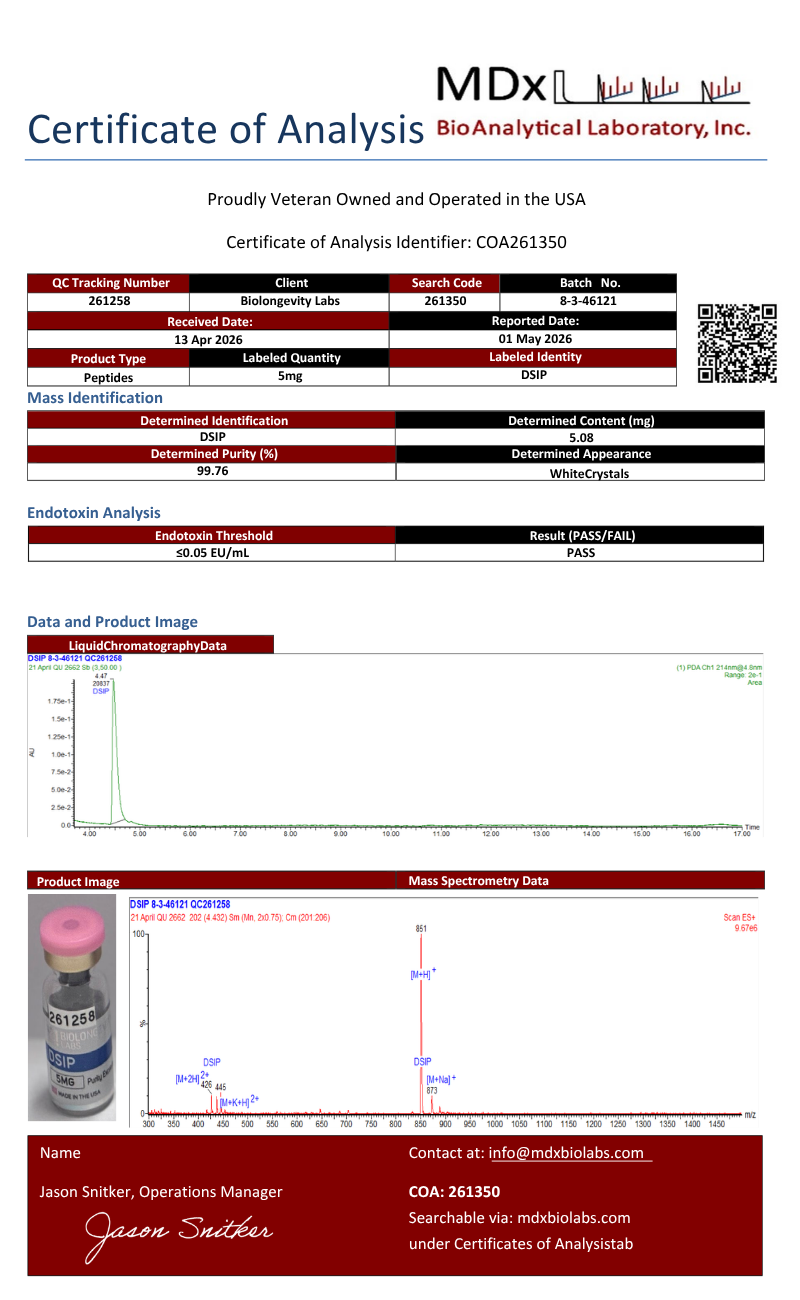
Certificate of Analysis (COA) for Every Batch
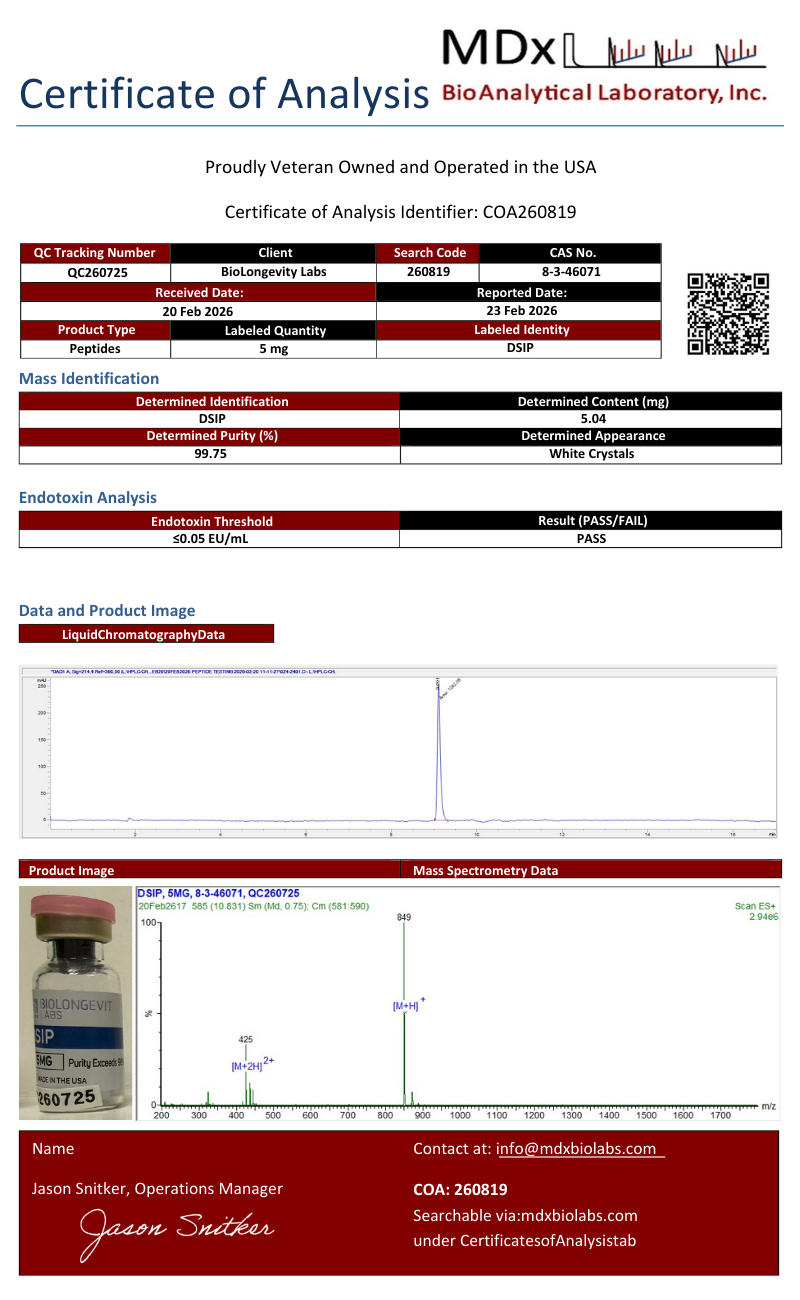
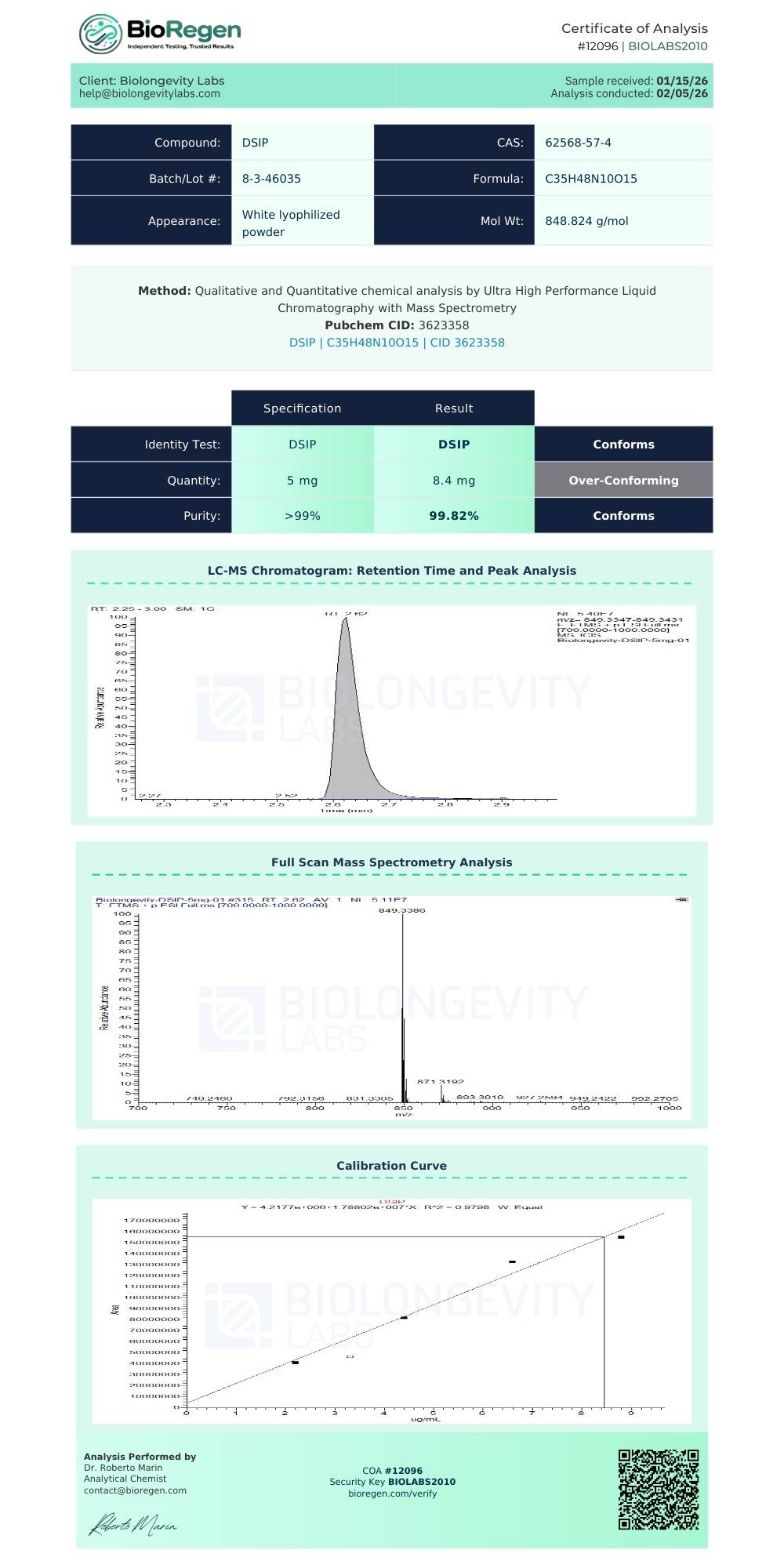
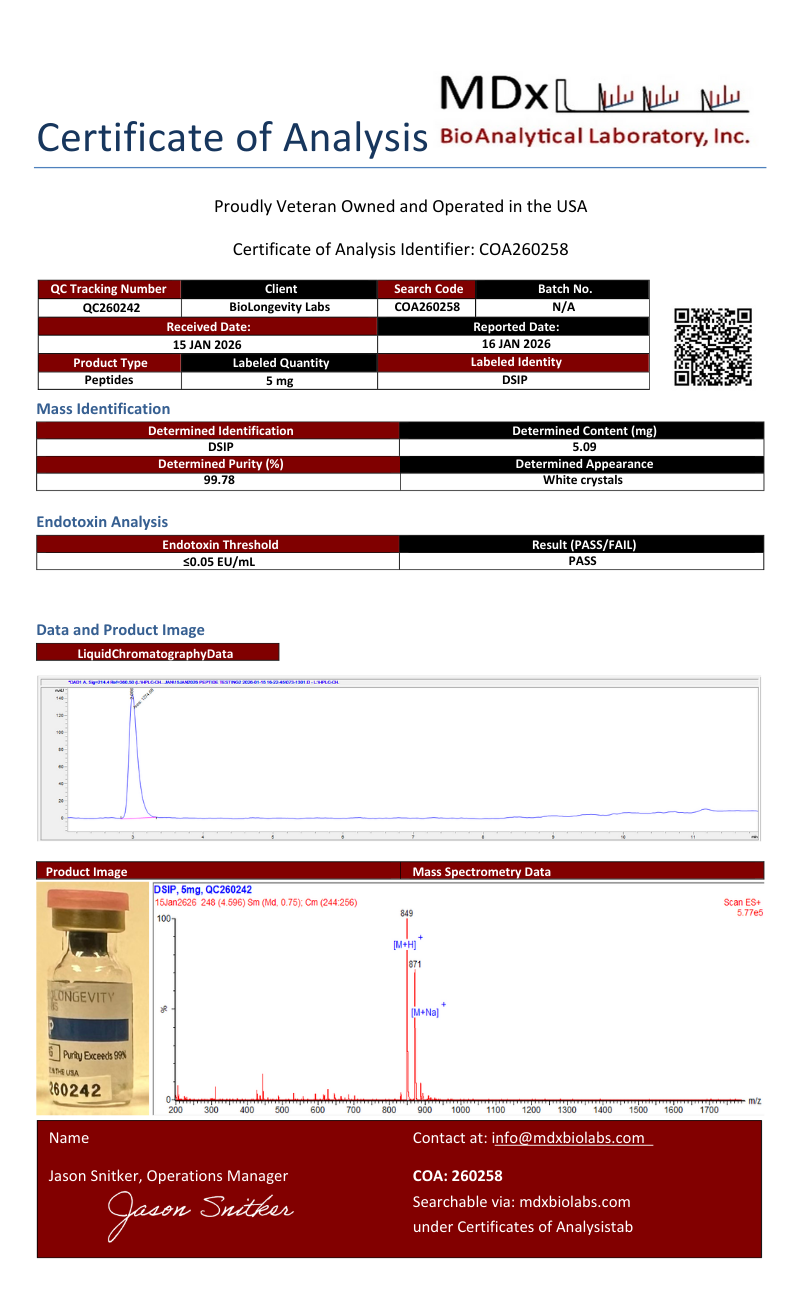
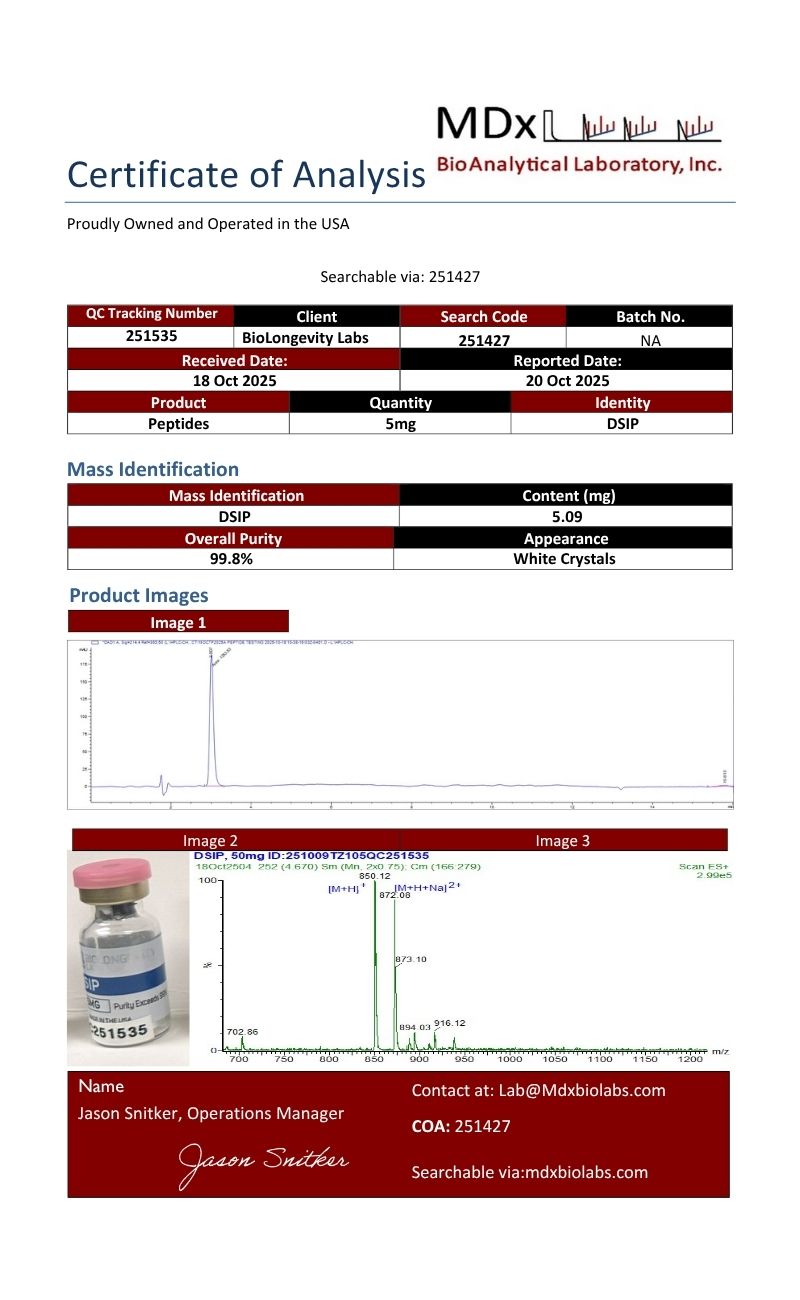
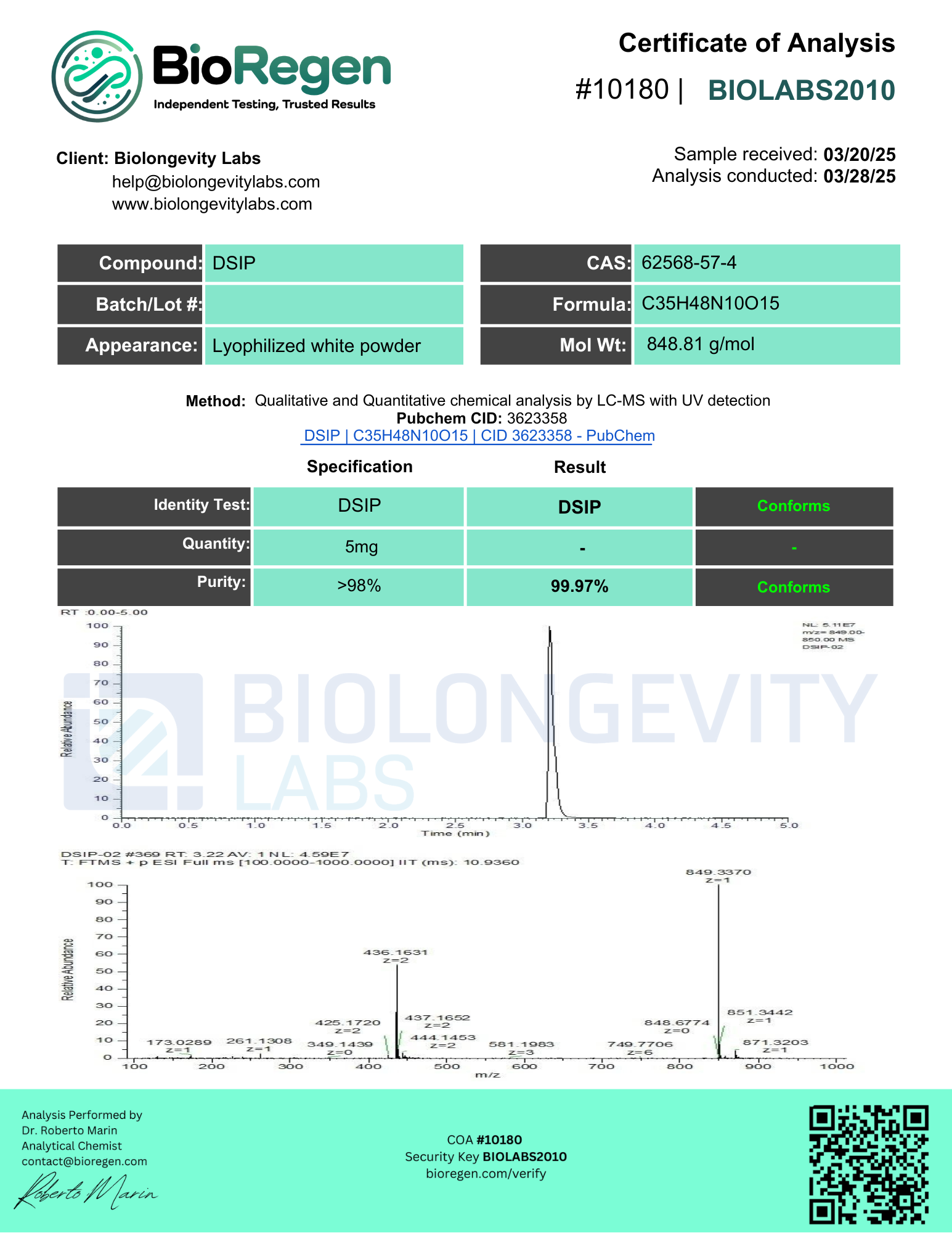
A Certificate of Analysis (COA) is a document that verifies a compound’s identity, purity, and batch quality through independent laboratory testing. Every compound from BioLongevity Labs ships with a COA tied to its specific batch, so researchers can confirm exactly what they received before it enters a protocol.
Each COA reports results from third-party laboratory analysis, including:
- Ultra-high-performance liquid chromatography with mass spectrometry (UHPLC-MS) for purity, typically confirmed at 99% or higher
- Mass identification for molecular confirmation and content quantitation
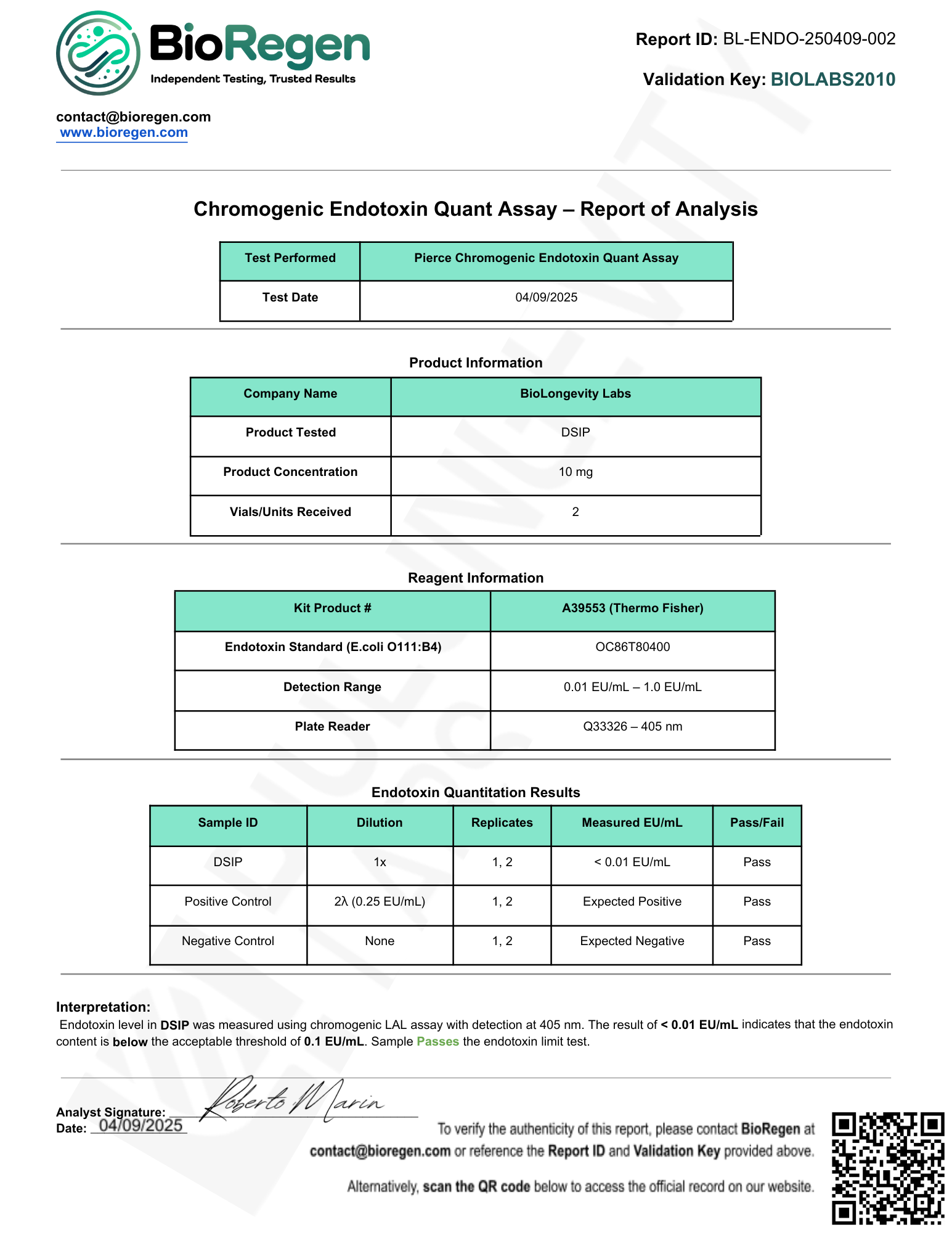
- Endotoxin quantitation by Limulus amebocyte lysate (LAL) assay where applicable
- Visual and physical characterization of the finished material
How to verify a COA independently
Every certificate can be checked against the issuing laboratory’s own records, not just the copy hosted here. Verification does not depend on BioLongevity Labs.
- MDx BioAnalytical Laboratory certificates carry a QC tracking number and a search code. Newer certificates also carry a QR code. Scan the code, or enter the search code at mdxbiolabs.com, to pull the official record.
- BioRegen reports of analysis carry a Report ID and a Validation Key. Scan the QR code on the certificate to open the official record, or reference both identifiers when contacting the laboratory at the address printed on the report.
- SafeCert Labs certificates, which appear on a number of earlier batches, carry a COA number and the signature of the reporting chemist. Reference that number when requesting confirmation from the laboratory directly.
Batches are frequently tested by both laboratories independently. When two certificates exist for the same lot, each one resolves at its own issuing laboratory, which lets a researcher confirm the same material twice through two unrelated sources.
COAs are sourced from independent certified labs rather than in-house testing alone, giving researchers a verifiable record of molecular integrity for each batch. All compounds are supplied for research use only.
Review the COAs for this batch below, or browse the full COA library.
DSIP (261258)
DSIP (260819)
DSIP (12096)
DSIP (260258)
DSIP(251427)
DSIP BL-ENDO-250409-002
DSIP(10180)
×
![]()